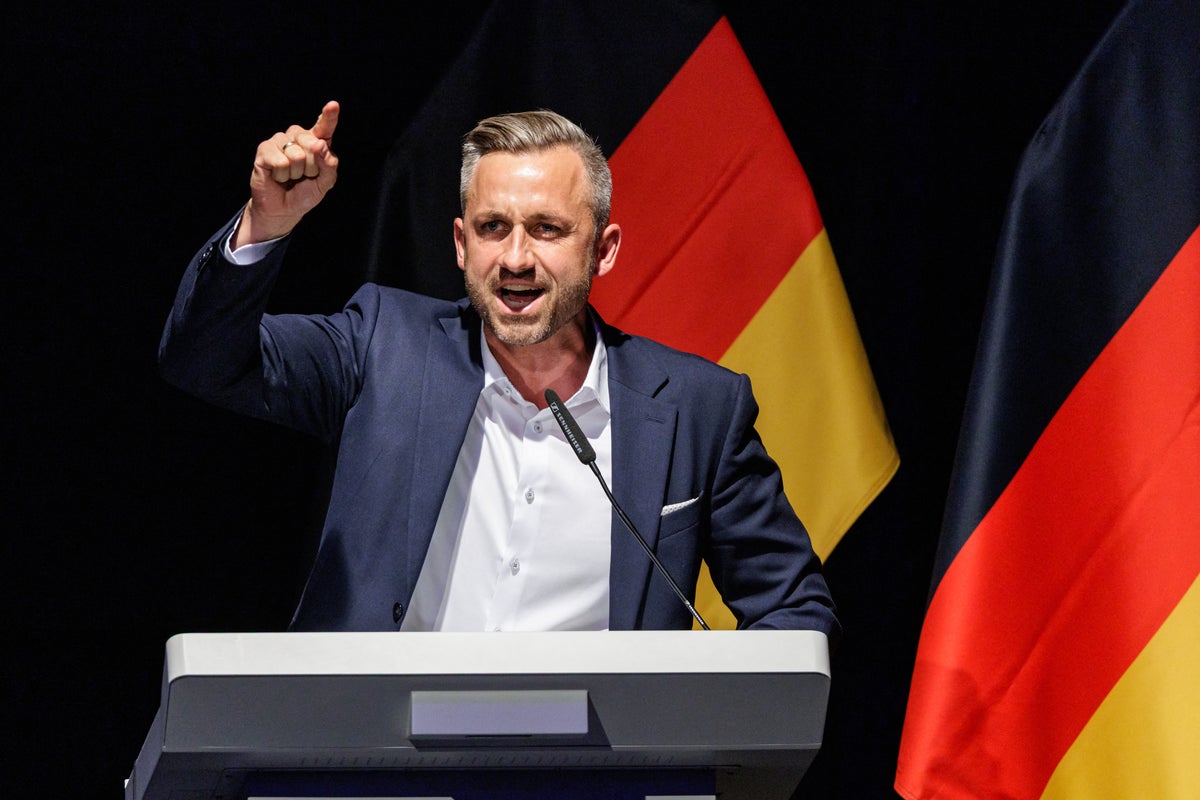
Voters in the eastern state of Saxony-Anhalt are heading to the ballot box, and the political establishment in Berlin is sweating. For decades, the country's mainstream parties built a literal firewall to keep the far-right Alternative for Germany (AfD) out of any real executive authority. That firewall is cracking right down the middle.
Polls heading into the weekend showed the AfD surging toward a staggering 40 percent of the vote. If those numbers hold up, it marks the first time since the Second World War that a hard-right populist party secures a dominant state-level mandate in Europe's largest economy. For a more detailed analysis into this area, we suggest: this related article.
This isn't just a regional upset. It's a flashing red light for the federal government. Chancellor Friedrich Merz is facing sky-high voter dissatisfaction, and the traditional parties are scrambling to figure out how to respond when their old playbook stops working.
Why the East is Breaking Away
If you want to understand why the AfD is polling at historic highs in Saxony-Anhalt, you have to look past the mainstream media talking points and examine local economic anxiety. The divide between western Germany and the former communist eastern states remains wide. Many residents in the east feel like second-class citizens, ignored by political elites sitting comfortably in Berlin. For further information on this issue, extensive coverage can be read at Al Jazeera.
Inflation hit household budgets hard over the last few years. Public infrastructure is aging. Trust in traditional institutions has cratered. When voters feel left behind, they don't look for moderate tweaks. They look for a wrecking ball.
The AfD capitalized on this disillusionment with surgical precision. Led locally by figures like Ulrich Siegmund, the party campaigned aggressively against high immigration, strict climate regulations, and continued military and financial aid to Ukraine. They tapped directly into a growing weariness among working-class voters who feel their daily struggles are being sidelined for global crises.
The Coalition Nightmare for Mainstream Parties
A potential AfD victory creates an absolute logistical nightmare for the center-right Christian Democratic Union (CDU) and the center-left Social Democrats (SPD). Traditionally, mainstream parties would band together to form a grand coalition and shut out radical upstarts.
Right now, that math is falling apart.
If the AfD secures an outright majority or comes close enough to paralyze traditional coalition-building, the CDU faces a terrible dilemma. Merz has repeatedly ruled out cooperating with the hard right, but forming a viable alternative requires stitching together ideologically incompatible groups, including the far-left BSW and other minor parties.
Every single path forward is messy. If the CDU caves and opens the door to unconventional alliances, they risk looking hypocritical. If they fail to govern, they hand the narrative entirely to the populists who claim the system is completely broken.
What an AfD-Led State Actually Looks Like
Critics call the party extreme, pointing to state intelligence designations and controversial policy proposals. But looking at their regional manifestos tells you exactly what kind of governance their supporters are voting for.
An AfD administration in Saxony-Anhalt wouldn't just sit around shouting slogans. State governments in Germany hold immense constitutional power over domestic security, cultural funding, and education.
Expect an immediate push on several fronts:
- A dedicated task force targeting a massive surge in deportations.
- Sweeping overhauls in public schools, including separate classrooms for refugee children and strict bans on political symbols like rainbow flags.
- Aggressive promotion of traditional family structures to counter falling birth rates.
- A systematic withdrawal of public funding from cultural institutions deemed overly progressive, alongside a dismantling of the existing public broadcasting fee structure.
Furthermore, the party plans to use its position in the Bundesrat, the federal upper house, to block national legislation wherever possible. This turns regional state parliaments into active staging grounds for national obstruction.
The Bigger Picture for Europe
Germany has long fancied itself the steady anchor of the European Union. When political stability falters in Berlin, the shockwaves travel across the continent.
European leaders watching from Brussels and Paris are deeply unnerved. The AfD's skepticism toward the Euro, its vocal opposition to EU-led climate mandates, and its desire to restore diplomatic and energy ties with Russia directly threaten the consensus on foreign policy.
If a major German state falls into the hands of a party labeled extremist by domestic security agencies, the psychological barrier is broken. What happens in Saxony-Anhalt today sets the tactical blueprint for national elections down the road.
The political earthquake has already arrived. Ignoring the underlying grievances won't make them disappear. Mainstream politicians need a complete strategy reset, and they need it yesterday. Watch the vote tallies closely tonight. The old political era in Germany is officially ending.