Six people are presumed drowned in the freezing waters of the Strait of Georgia, and the marine community along the British Columbia coast is reeling.
What started as a standard Sunday fishing trip out of Steveston turned into an absolute nightmare. A 30-foot aluminum charter boat carrying 10 people capsized and sank near Roberts Bank, leaving survivors clinging to life without life jackets. As the Richmond RCMP Underwater Recovery Team deploys specialized sonar technology to search the deep, unforgiving waters, critical questions are surfacing about overcrowding, basic safety protocols, and a tracking system that pointed to the wrong man.
This isn't just a freak accident. It's a harsh wake-up call for the entire B.C. charter industry.
The Haunting History of the Big Coast Vessel
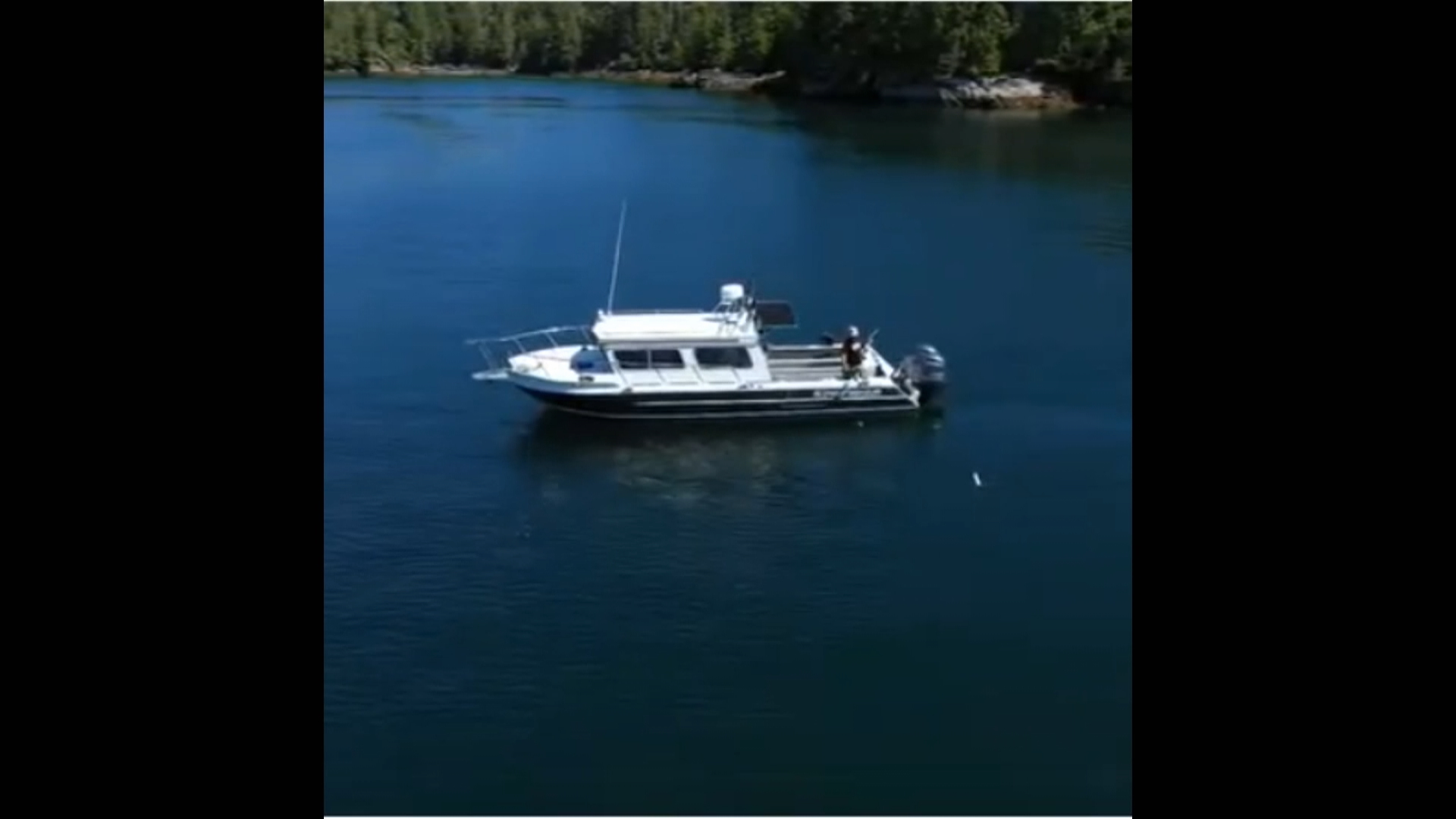
The sunken boat wasn't an anonymous vessel. For years, it was a recognizable fixture on the West Coast, known as the Big Coast—the flagship vessel for the long-running B.C. outdoors TV show hosted by Tim Milne.
Milne sold the 30-foot aluminum KingFisher boat over four years ago through a registered broker. Because it went through a dealership, he never actually met the buyers.
"I personally ran it four or five times up and down the inside passage, tuna fished it off Vancouver Island," Milne said, reflecting on the vessel’s capabilities. "It's a super solid craft, and it definitely deserved a better ending than it met. Completely tragic really."
But a boat is only as safe as the decisions made by the people operating it. While Milne confirmed the KingFisher hull was incredibly durable, he expressed deep shock over the details emerging from Sunday's disaster.
Overcrowding and the Fatal Absence of Life Jackets
Ten people were crammed onto the 30-foot vessel.
While the official certified capacity of the boat under its new commercial operation hasn't been confirmed, Milne noted that he had never attempted to put 10 people on it during his years of operation. In choppy conditions, overloading a boat severely compromises its stability, making it highly susceptible to rolling over when hit by sudden swells.
Worse still was the complete lack of safety gear on the victims.
When a passing civilian sailing vessel stumbled upon the survivors scattered in the water, none of them were wearing life jackets or personal flotation devices (PFDs). The sailors deployed an inflatable dinghy to haul four survivors out of the water. Two men and two women survived, though two remain in critical condition. The remaining six passengers—four men and two women—disappeared beneath the waves.
"I think a number of people were surprised at the 10 people on the boat, and certainly the lack of life-jackets on the survivors was, that's a major concern," Milne stated flatly. "That's not how we do charter business on the B.C. coast, so everybody knows that."
The Ghost AIS Data and Previous Regulatory Infractions
The investigation by the Richmond Serious Crimes Unit has taken a bizarre turn regarding the vessel's Automatic Identification System (AIS).
When the boat sank, its digital footprint still linked back to Milne and the Big Coast TV show. Under Canadian marine regulations, when a vessel changes ownership, the Maritime Mobile Service Identity (MMSI) number and AIS registration details must be updated with Innovation, Science and Economic Development Canada (ISED).
That never happened.
Milne revealed that the new owners ignored repeated attempts to get the registration switched over. The failure to update the system wasn't just a bureaucratic oversight; it masked a troubling history. Just last year, the same boat was caught and charged for fishing in an illegal zone off Pender Island. Photos and AIS data from that enforcement action confirmed the boat was violating federal fisheries laws, after which it sat on a dry dock in Steveston for an extended period.
Ironically, the illegal retention of the Big Coast AIS handle is the only reason searchers had an immediate digital track on where the vessel went down.
Why Roberts Bank is a Maritime Trap
The waters where the ship capsized are notoriously deceptive. Roberts Bank sits right where the heavy freshwater output from the Fraser River collides directly with the cold, salty ocean currents of the Strait of Georgia.
When strong winds oppose these conflicting water masses, it creates highly unpredictable, aggressive, and choppy standing waves. On the day of the sinking, witnesses described the sea state as "terrible." A heavily loaded boat navigating these convergence zones faces an extreme risk of taking on water or capsizing rapidly if a wave catches the beam.
What Happens Next in the Recovery Effort
The immediate rescue operation managed by the Joint Rescue Coordination Centre Victoria has officially ended, handing the reins over to the RCMP as a recovery and criminal investigation.
Locating the physical boat is proving incredibly difficult. The Richmond RCMP Underwater Recovery Team and West Coast Marine Services are battling poor underwater visibility, shifting river silt, and extreme depths.
"This is not a quick process," warned Cpl. Frank Bryson of the Richmond RCMP. "Even if the vessel is found today, it could take additional days to safely investigate, document, and potentially recover it." Investigators are relying heavily on high-resolution sonar to pinpoint the hull before attempting to send down remotely operated vehicles (ROVs) or divers.
Essential Safety Checklist for B.C. Charter Passengers
If you are booking a fishing charter anywhere on the Pacific coast, don't assume the operator is following the law. Protect yourself by validating these points before leaving the dock:
- Demand a Physical Life Jacket: Never step onto a boat where life jackets are stowed away in unaccessible lockers. You need to know exactly where yours is, and ideally, wear it while the vessel is in transit.
- Verify Passenger Limits: Ask to see the vessel's Transport Canada safety notice or decal indicating the maximum capacity. If the boat looks crowded, trust your gut and refuse to board.
- Check the Weather Layout: Look at localized marine forecasts for the Strait of Georgia, specifically monitoring wind warnings and wave heights near river mouths.
- Confirm Valid Registration: Ensure the charter operator holds a valid commercial fishing license and active Transport Canada registration for carrying passengers.
The tragedy off Richmond shows how quickly things go sideways when basic marine safety protocols are cut out of the equation. The tight-knit West Coast maritime community deserves real answers, and the families of the six missing individuals deserve accountability.
To better understand the scale of the emergency response and the visual timeline of the rescue efforts, watch this report detailing how Good Samaritans saved passengers from the B.C. charter boat sinking, featuring crucial early footage and interviews from the scene.