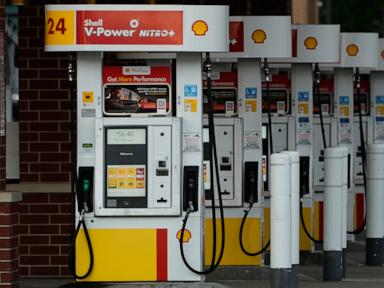
You thought you were finally getting a break at the pump. Over the last month, US gasoline prices actually drifted downward, sliding from a painful $4.16 average down closer to $3.80. It felt like the worst of the 2026 energy crisis was behind us after Washington and Tehran agreed to an interim ceasefire.
Then, everything fractured overnight.
President Donald Trump declared the fragile truce completely over. His statement came on the heels of fresh Iranian strikes targeting commercial vessels navigating the crucial Strait of Hormuz, alongside retaliatory US military strikes hitting dozens of targets across the Iranian coastline. Global markets immediately panicked.
If you are wondering why a conflict thousands of miles away dictates how much you shell out to fill your tank on Friday, you aren't alone. The reality is that the global energy supply chain is incredibly fragile, and what happens next will hit your wallet directly.
The Myth of Sudden Pump Changes
A common mistake people make is watching crude oil prices shoot up 5% or 7% on the news and expecting the gas station down the street to instantly hike their prices by the exact same percentage. It doesn't work that way.
The oil market reacted instantly to the collapse of the ceasefire, sending Brent crude climbing near $79 a barrel and US benchmark crude hitting $75.80. But retail gasoline prices in the US only crept up by a fraction of a cent immediately following the news.
Why the lag?
Refiners don't make today’s gasoline with today’s crude oil. They purchase crude weeks or months in advance. The fuel currently sitting in your local station's underground tanks was refined from cheaper oil bought back when the truce looked solid. It takes time for that costlier raw crude to travel through pipelines, hit the refineries, and get trucked out to regional stations.
Gas station owners also try to hold the line as long as possible to stay competitive with the station across the street. They absorb the initial hit. But once their own wholesale replacement costs go up, they have to pass the bill to you to keep their doors open. If this naval standoff in the Persian Gulf drags on for more than a couple of weeks, that $3.80 national average is going to evaporate.
Why the Strait of Hormuz Controls Your Wallet
The real problem isn't just political rhetoric; it's geography. The Strait of Hormuz is a narrow bottleneck. It handles roughly 20% of the world's total petroleum liquids.
When the war initially broke out earlier this year, maritime traffic slowed to a crawl. The center of the strait was heavily mined, forcing ships to navigate dangerous alternative routes. Some squeezed through the narrow northern route inside Iranian waters, while others hugged the southern route through Omani territory.
The latest breakdown happened because three commercial ships using that supposedly safer Omani route were struck. Right now, maritime experts are advising the commercial shipping industry to reconsider sending any crewed vessels through the area.
"Tanker traffic through the Strait of Hormuz has essentially stopped, which tells you more about risk perception right now than any statement from Washington or Tehran," says Jorge Leon, head of geopolitical analysis at Rystad Energy.
When tankers stop moving, oil gets trapped. When oil gets trapped, supply plummets while global demand stays exactly the same. You don't need an economics degree to know what happens to prices next.
Emergency Reserves Won't Save Us This Time
During the spring peak of this conflict, the US and its international allies threw a temporary lifeline to consumers by draining emergency stockpiles. Millions of barrels were pumped into the market from the Strategic Petroleum Reserve (SPR) to keep prices from blasting past $5 a gallon.
But you can't run a global economy on emergency reserves forever.
As of July 3, 2026, the US Strategic Petroleum Reserve was down to 319.5 million barrels. The safety cushion is thinning out. The administration cannot simply keep dumping crude into the market to suppress prices without leaving the country highly vulnerable to a long-term supply disruption.
Worse, this isn't just an oil crisis anymore. The collapse of the truce instantly ignited a 5% spike in European wholesale gas markets. The benchmark Dutch contract jumped significantly, meaning global energy markets are tightening up across the board, affecting everything from home electricity bills to commercial jet fuel.
Is There a Way Out?
Despite the aggressive headlines, some market analysts think total doom isn't a guarantee yet. Economic researchers at Oxford Economics point out that while the language coming out of Washington is hostile—with Trump calling further negotiations a waste of time—the administration left a quiet off-ramp. US negotiators are technically remaining in contact with Iranian officials behind the scenes.
There's a legitimate view that this latest flare-up could be an aggressive round of posturing rather than a permanent return to full-scale regional war. If diplomacy resumes, oil prices could drop on a dime.
But even in a best-case scenario where a permanent peace deal is signed tomorrow, energy experts warn that prices won't normalize overnight. It takes months to inspect damaged port infrastructure, clear sea lanes of mines, and unsnarl international shipping schedules.
What You Should Do Next
You can't control international diplomacy, but you can buffer your personal finances from the impending energy price roller coaster.
- Lock in fixed transportation costs: If your budget is tight, utilize apps like GasBuddy to track local price laggards before regional stations update their fuel costs to match the new crude oil spikes.
- Budget for secondary inflation: Higher fuel costs mean higher shipping costs for groceries, online retail, and consumer goods. Expect a slight uptick in everyday prices over the next month and adjust your discretionary spending accordingly.
- Monitor the Federal Reserve: Wall Street just dropped sharply on this news, with the Dow tumbling hundreds of points due to renewed fears of inflation. Keep a close eye on the central bank's upcoming interest rate decisions, as they'll likely move aggressively if energy costs push inflation back over their 2% target.