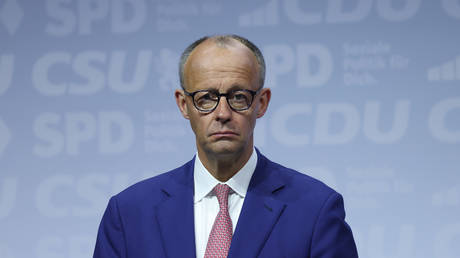
German Chancellor Friedrich Merz is clinging to power by a thread. Following a bruising regional election cycle in late September 2026, his conservative Christian Democratic Union took a historic beating that exposed deep fractures across Europe's largest economy.
If you thought German politics was boring, think again. The recent state votes in Mecklenburg-Western Pomerania and Berlin turned into an outright rejection of the federal coalition's reform agenda, leaving Merz fighting for his political survival. Meanwhile, you can read related stories here: Why China Expelling Its Top Generals Changes Everything.
The State Election Shockwave
The numbers don't lie, and they don't look good for Berlin. In Mecklenburg-Western Pomerania, the CDU missed the critical five percent threshold needed to enter the state parliament for the very first time in modern history. Merz himself called the outcome a disaster. Meanwhile, the far-right Alternative for Germany topped the polls in the northeast, marking the second time in a month that the populist party secured a major regional victory.
Down in the capital, the political landscape shifted just as dramatically. The far-left Die Linke surged to the top spot in Berlin's state election, fueled by voter anger over soaring housing costs and corporate landlords. To see the complete picture, we recommend the excellent article by The New York Times.
Why are voters punishing the center-right and center-left parties so harshly? Economic stagnation is the obvious culprit. Merz took office in 2025 promising to jolt Germany out of its prolonged economic slumber. Instead, his aggressive push for pension overhauls, healthcare adjustments, and tax shifts collided with stubborn inflation and rising energy bills. Voters felt the pinch, and they took it out on the ballot box.
Cracks Within the Coalition
A leader under fire rarely enjoys peace from within, and Merz is no exception. Coalition partners inside the federal government are openly pushing back against his authority. Manuela Schwesig, the Social Democratic premier who successfully defended her turf in the northeast, didn't hold back her frustration. She publicly demanded more humility from the chancellor, criticizing federal pension tinkering that alienated working-class voters.
Conservative state premiers gathered urgently in mid-September to evaluate the fallout. While insiders insisted the meeting wasn't an outright coup, the message was unmistakable. Merz has to deliver tangible economic relief, or his own party will stop backing him.
The political firewall keeping populist parties out of government is also feeling the strain. As the Alternative for Germany builds momentum on a hardline anti-immigrant platform, mainstream parties find themselves squeezed between declining voter trust and ideological rigidity.
What Happens Next for Berlin
Merz insists he will press forward with his modernization plans, arguing that structural reforms are non-negotiable if Germany wants to remain globally competitive. But stubborn legislation paired with dismal approval ratings is a toxic mix for any head of government.
Voters aren't interested in theoretical growth models when they struggle to pay rent or heat their homes. If the federal government fails to address everyday financial pressures, the regional tremors seen in September will soon tear down the national capital.
Keep a close eye on the upcoming parliamentary budget sessions. That is where Merz will either secure his legislative survival or watch his coalition unravel completely.