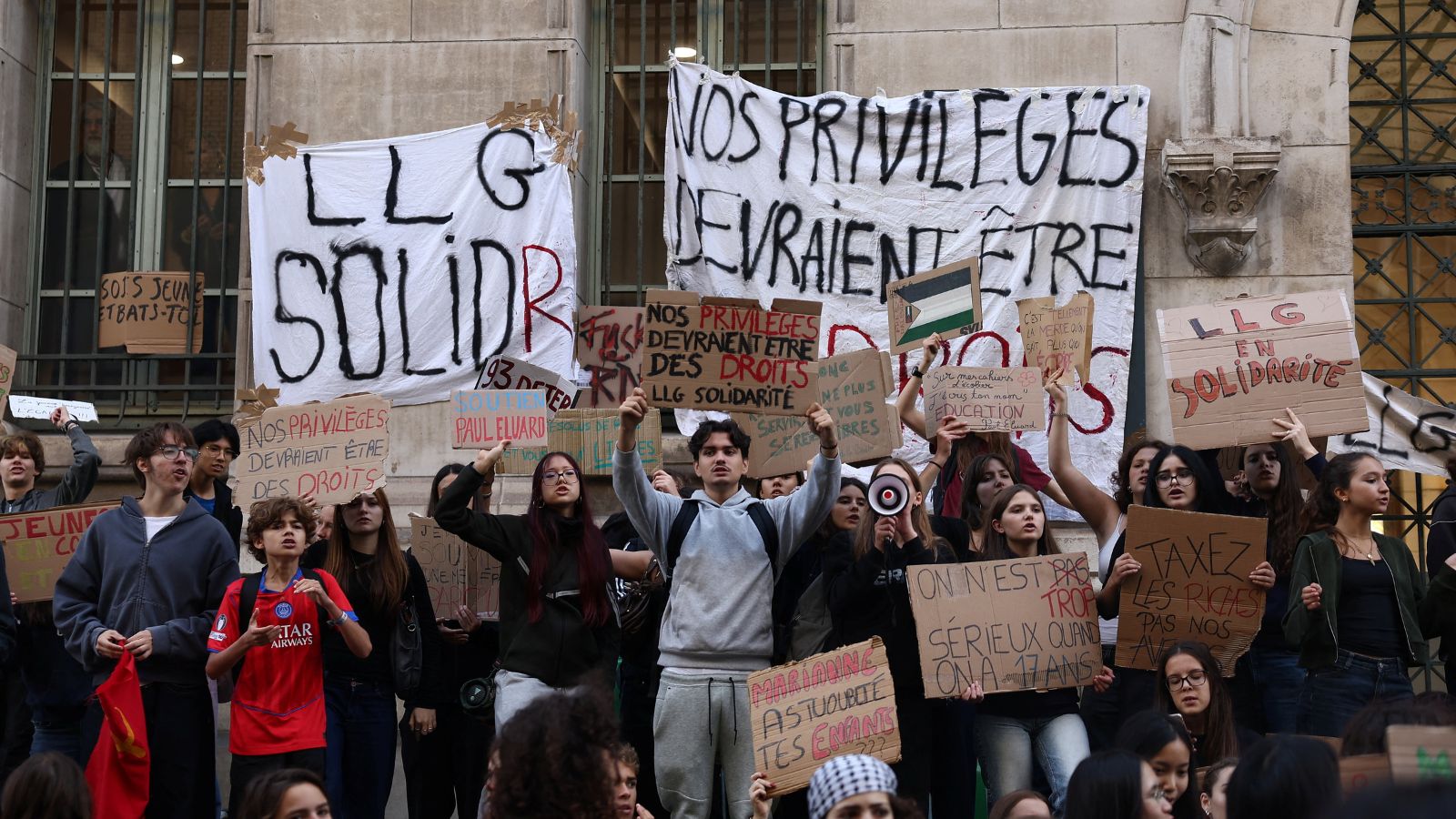
Smoke from burning bins fills the morning air outside a Paris high school. Sirens wail in the background. Students, many barely sixteen years old, lock arms to block the entrance gates, demanding reforms to an education system they say is falling apart.
France has plunged into a severe crisis. What started as a localized strike over teacher shortages in a deprived suburb has exploded into a nationwide movement. High school blockades, trade union-led marches, and violent street clashes have paralyzed parts of the country. Prime Minister Sebastien Lecornu faces an immense challenge as the government scrambles to restore order while managing a ballooning national deficit.
If you think this is just another routine round of French student activism, look closer. The stakes right now are entirely different.
How a Local Teacher Strike Triggered a National Firestorm
The movement erupted on September 17 at Saint-Exupéry high school in Créteil, a lower-income suburb southeast of Paris. Students walked out in solidarity with teachers striking over chronic staff shortages and crumbling infrastructure.
Instead of dying down, the protest spread like wildfire across France via TikTok and other social platforms. Dramatic smartphone footage of tear gas, burning debris, and police interventions transformed local anger into a national spectacle. Within two weeks, hundreds of schools were partially or fully closed.
Students from low-income suburbs have long felt they receive an inferior education compared to elite institutions in wealthy districts. Chronically absent teachers, grueling timetables running from 8 a.m. to 6 p.m., and inadequate facilities pushed teenagers to take matters into their own hands.
Sociologists point out that the educational divide in France has widened significantly over the past decade. Working-class teenagers see fewer pathways upward, turning high schools into flashpoints for broader societal frustrations.
The Human Toll and Surrounding Violence
The escalation has come at a brutal cost. The French Justice Ministry reports that over 5,000 people have been arrested since the demonstrations began, with a staggering 87 percent of those detained being minors. More than 1,800 individuals face prosecution, including nearly 1,500 teenagers.
Clashes between protesters and riot police have turned violent. At least 715 police officers and 215 teenagers have sustained injuries. Property damage already runs into the tens of millions of euros.
In a particularly grim escalation, a 15-year-old boy in Pas-de-Calais lost his hand and part of his lower arm after picking up a police dispersal grenade during street clashes. Other harrowing videos show young demonstrators beaten or subjected to rough police tactics, fueling public outrage from civil rights groups and opposition politicians.
University students have stepped into the fray as well, blockading around 40 university buildings nationwide in solidarity with the high schoolers. The cross-generational alliance has caught political leaders completely flat-footed.
Political Finger-Pointing as Elections Loom
With a presidential election looming just six months away, the protests have quickly morphed into a high-stakes political battleground.
The government and right-wing figures, including Marine Le Pen's National Rally, accuse hard-left lawmakers from France Unbowed (LFI) of stoking the unrest for political gain. LFI leaders, whose popularity among voters aged 18 to 25 sits above 40 percent, strongly deny the accusations. They argue they are simply standing with their constituents. Bally Bagayoko, the LFI mayor of Saint-Denis, defended his presence alongside protesters, stating that high school students are his residents and deserve support.
Meanwhile, France's broader economic fragility casts a long shadow over the crisis. Surrounding euro-area markets are watching closely as French borrowing costs and bond yields rise due to a ballooning national budget deficit. Finance ministers have little fiscal room to maneuver, making major spending hikes on education extremely difficult to fund.
Can the Government Deliver Fast Enough?
Prime Minister Lecornu has ordered cabinet ministers to tackle the students' core demands head-on. The government has promised to review teacher replacement policies, shorten the grueling school day, lengthen lunch breaks, and allocate emergency funds to repair aging facilities. Education Minister Geffray has been tasked with delivering concrete proposals by the end of October.
Yet, skepticism remains high. Teenagers on the picket lines have heard promises before. Without swift, visible changes inside classrooms, blockades will likely return.
The unrest reveals a deeper fracture in French society. Fixing it requires more than riot police or temporary concessions. It demands a total rethink of how France funds and structures education for its next generation.