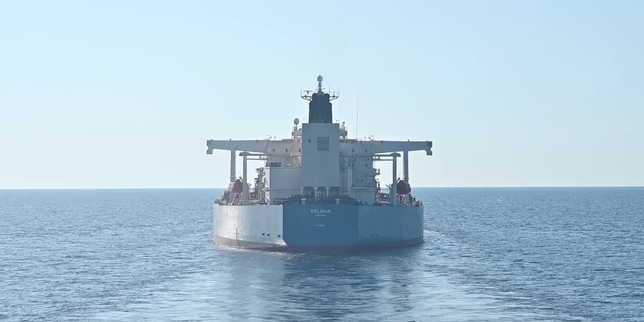
France just intercepted its fifth oil tanker linked to the Russian ghost fleet. Maritime authorities didn't hesitate. They tracked it, boarded it, and brought it to a halt. This isn't just an isolated legal dispute in the English Channel. It's an escalating economic war playing out on the high seas.
Western sanctions were supposed to choke off the funding for the war in Ukraine. Instead, Moscow built an untraceable, decaying armada of aging ships. They transfer oil in the dark, mask their transponders, and hide behind shifting shell companies. Western nations are finally losing their patience. France's latest move shows that the diplomatic velvet gloves are off.
If you think this is just about maritime paperwork, you're missing the bigger picture.
The Shell Game on the High Seas
The shadow fleet operates on deception. A typical tanker in this network changes its flag every few months. One week it flies the flag of Panama, the next Gabon, then Cook Islands. The ownership structures are worse. A single-ship company registered in a tax haven owns the vessel, managed by another obscure entity in Dubai or Istanbul.
When French authorities step onto these decks, they find a bureaucratic nightmare. The insurance policies are worthless, often backed by non-existent or unrated Russian firms. That's the real trap. If one of these rust-buckets splits open near the coast of Brittany, European taxpayers will foot the multibillion-dollar cleanup bill.
The G7 price cap on Russian crude was designed to keep oil flowing while limiting Kremlin revenues. It failed. Russia bypassed the Western maritime ecosystem entirely by buying up hundreds of scrap-ready tankers. They don't care about Western insurance. They don't care about EU finance. They care about moving barrels.
Why France is Leading the Crackdown Right Now
France has a strategic advantage in this maritime standoff. The French Navy and maritime gendarmerie maintain intense surveillance over some of the busiest shipping lanes in the world, including the Dover Strait. If a ship looks suspicious, acts suspicious, or turns off its Automatic Identification System, French law enforcement can act under international maritime safety and environment protections.
This fifth interception proves that tracking algorithms are getting smarter. Naval intelligence units aren't just looking at where a ship is today. They look at its financial history, its previous port calls, and its sudden changes in ownership.
Let's be completely honest about what's happening. France is sending a direct message to the entire shadow network. European waters are no longer a safe transit zone for illicit oil. Every boarding operation raises the financial risk for the operators. It drives up insurance costs, scares away unscrupulous crews, and forces these vessels to take longer, more dangerous routes.
The Massive Environmental Threat Nobody Wants to Face
Most ghost fleet vessels are over fifteen years old. In the shipping industry, that's ancient for an oil tanker. Normally, these ships would be sitting in a scrapyard in Bangladesh getting broken down for metal. Instead, they're carrying millions of barrels of heavy crude through treacherous, narrow waterways.
They operate without standard maintenance. Their hulls are worn. Their engines are prone to sudden failure. Regular commercial tankers undergo rigorous inspections by reputable classification societies like Lloyd's Register. Ghost ships avoid these inspectors entirely.
If an accident happens, the environmental devastation would dwarf the Erika or Prestige disasters. The financial structures backing these ships will vanish into thin air the second oil hits the water. You can't sue a shell company that only exists as a PO Box in Monrovia. France knows this. These interceptions are as much about preventing an ecological catastrophe on the French coastline as they are about geopolitical leverage.
What Happens to an Arraisonned Vessel
When the French maritime authorities intercept a tanker, the process is swift but legally complex. The ship is escorted to a secure port, often Brest or Cherbourg. Inspectors swarm the vessel to check safety logs, crew certifications, and structural integrity.
The legal battle begins immediately. Prosecutors look for environmental non-compliance, insurance fraud, or direct sanctions violations. The ship gets tied up in maritime courts for months. For the owners of the ghost fleet, time is money. A tanker sitting idle in a French port is a massive financial drain. The crew is stuck in legal limbo, the cargo is trapped, and the daily charter rates tick away into deep losses.
This strategy aims to make the shadow fleet economically unviable. If the risk of detention is too high, the cost of doing business skyrockets.
Tracking the Money Trail Beyond the Hulls
Intercepting the physical ship is only half the battle. The real pressure happens when financial intelligence units trace the money generated by these cargoes. The cash doesn't flow through Paris, London, or New York. It moves through alternative banking networks in Asia and the Middle East.
Western intelligence agencies are now matching satellite imagery of ship-to-ship transfers with banking transactions. When a ghost tanker dumps its oil onto a legitimate vessel in the Mediterranean or the Atlantic, that data gets flagged. France's actions on the water provide the hard physical evidence that prosecutors need to sanction the banks and brokers operating behind the scenes.
The Next Strategic Steps for Maritime Enforcement
To permanently dismantle this shadow network, coastal nations must move past occasional vessel seizures.
First, port state control across the entire European Union needs to standardize its blacklists. If France bans a vessel, that ban must instantly apply from Spain to Finland.
Second, enforcement agencies must target the supply chain of these ships. They need fuel, spare parts, and fresh crews. Banning European maritime service companies from interacting with known shadow vessels, even outside EU waters, will squeeze their operational capacity.
Finally, sat-tech tracking must become automated. AI-driven satellite monitoring can predict suspicious maneuvers, like sudden speed drops or unexpected course changes in known smuggling zones, before the vessel even enters national waters.
The era of ignoring the ghost fleet is over. France is showing that physical enforcement is the only language these illicit operators truly understand.


/LouvresengchyeteoGettyImages-5a14669aaad52b00370c599e.jpg)