The fragile peace holding northern Ethiopia together has fractured. Once again, the sound of artillery echoes across the mountains, proving that treaties signed on paper in foreign capitals hold little weight when deep structural grievances remain unaddressed.
If you've been tracking East African politics, you know the writing has been on the wall for months. The Pretoria Agreement, signed in November 2022, was supposed to close the book on a devastating two-year conflict that cost hundreds of thousands of lives. Instead, it bought a temporary pause. Now, fighting has renewed in northern Ethiopia, effectively shattering that landmark peace deal and plunging the region back into uncertainty.
Why the Pretoria Agreement Failed to Stick
Treaties only work when both sides believe they have more to gain from peace than from war. In Ethiopia, that calculation shifted.
The core combatants—federal troops under Prime Minister Abiy Ahmed and fighters loyal to the Tigray People's Liberation Front (TPLF)—never truly resolved who holds ultimate political control in Mekelle. While a caretaker administration was installed following the 2022 pact, underlying friction over territorial administration, security sector integration, and political survival quickly poisoned the well.
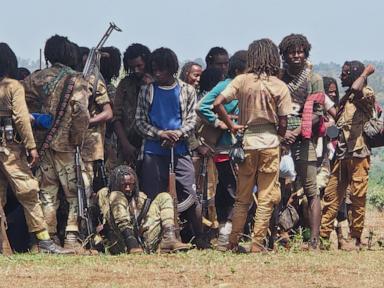
Rebel factions began mobilizing for a renewed armed struggle, aiming squarely at federal authority. When political maneuvering fails, the gun takes over. That is the grim reality playing out right now.
The Human Cost Behind the Headlines
Numbers in geopolitical reports often mask human agony. During the initial conflict between November 2020 and November 2022, researchers from Ghent University estimated a civilian death toll reaching 500,000. People didn't just die from bullets. Famine, blockade-induced starvation, and the complete collapse of health services drove the catastrophe.
With hostilities flaring up again, nearly one million displaced people who hoped to return home face an impossible choice. Do they stay in squalid displacement camps, or do they risk walking back into an active war zone?
Aid corridors are once again vulnerable. Humanitarian organizations operating in Tigray, Amhara, and Afar are sounding alarms. When supply lines close, malnutrition rates spike within days.
What Happens Next on the Ground
Don't expect a quick diplomatic fix this time. The trust required to restart negotiations has evaporated.
Federal forces are dug in to protect central authority, while regional factions are convinced that compromise equals total subjugation. Regional allies like Eritrea, who played a significant and controversial role in the earlier phase of the war, add another layer of volatility to an already explosive theater.
If you are following this crisis, watch the regional supply routes and the rhetoric coming out of Addis Ababa and Mekelle. The window for a negotiated settlement is closing fast, and the region is slipping backward into a familiar, brutal cycle.
Monitor official updates from humanitarian monitors on the ground to track aid access, and look past official press statements to understand the true trajectory of the conflict.