You spot a dusty, dilapidated painting at a local flea market. The canvas is torn, the imagery is uninspired, but the wooden frame looks sturdy enough to repurpose. You hand over four dollars, toss it in your trunk, and head home. Most people would throw the canvas straight into the trash. One Pennsylvania buyer did something different, and it changed his life forever.
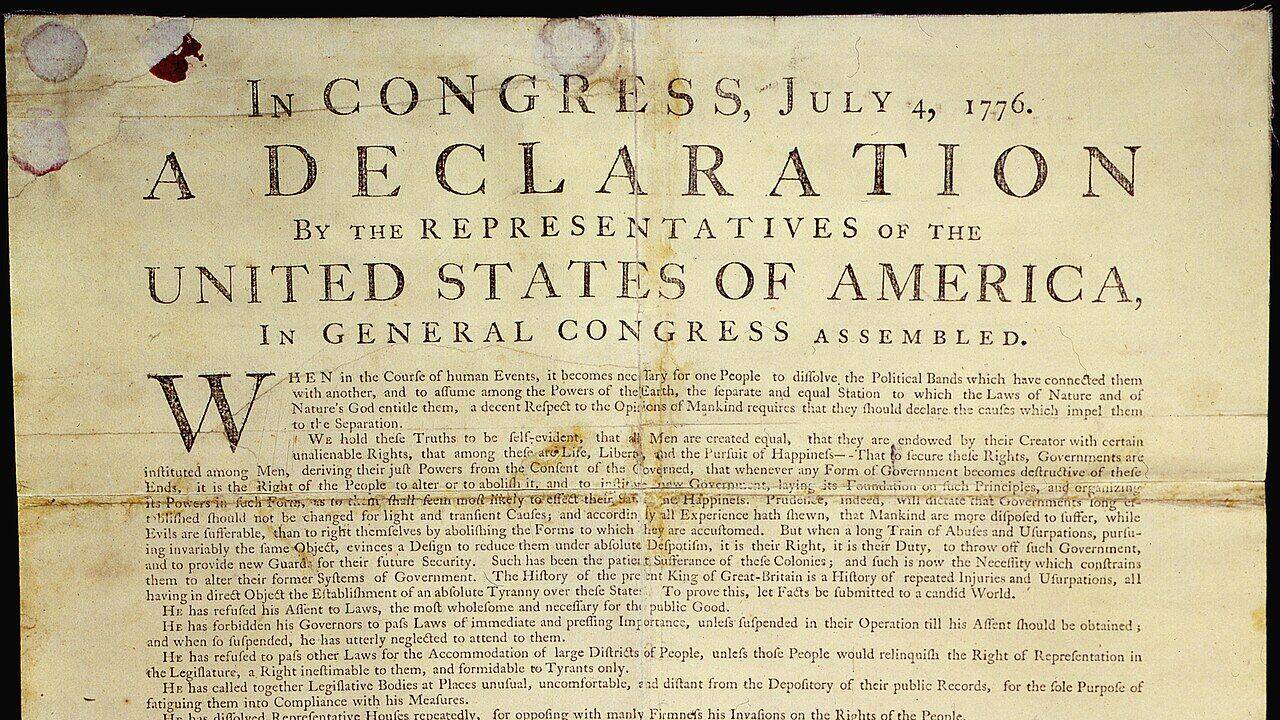
Hidden behind that cheap painting lay an authentic, first-printing copy of the 1776 Declaration of Independence. It later commanded a staggering 8.14 million dollars at auction. Stories like this trigger daydreams of garage sale goldmines, but they also expose how fragile historical preservation can be.
The Accidental Discovery in Adamstown
The strange journey of this national treasure started in 1989 at an open-air market in Adamstown, Pennsylvania. The buyer wanted the frame, not the art. When he got home and stripped the canvas away, he found a folded, yellowed sheet of paper tucked neatly against the backing board.
He didn't immediately call a museum or sound any alarm bells. He recognized the text as the Declaration of Independence, but assumed it was a common souvenir or a modern reproduction. It sat around his house for years before a friend convinced him to get a professional opinion.
Authenticating a Dunlap Broadside
When Sotheby's experts finally laid eyes on the document, they realized it wasn't just an old copy. It belonged to an elite, vanishingly rare group of historical artifacts.
Printers in Philadelphia, led by John Dunlap, worked through the night on July 4, 1776, to produce roughly two hundred broadsides. They rushed these damp sheets across the thirteen colonies so citizens could hear the official text read aloud. Only 25 of those original Dunlap broadsides survived into modern times.
A fascinating physical quirk gave this specific copy away. The ink was still wet when workers stacked the sheets, leaving a reverse impression of the document's first line bleeding onto the bottom of the page. That clumsy printing error became the ultimate mark of authenticity.
From Obscurity to an 8.14 Million Dollar Sale
Sotheby's handled the initial authentication and sent the document to auction in 1991, where it sold for 2.4 million dollars to an Atlanta investment firm. After a failed attempt to sell it a couple of years later, the broadside came back to the market in June 2000.
Bidding at that 2000 auction grew fierce. Television producer Norman Lear and internet entrepreneur David Hayden stepped into the fray. They fought through 29 separate bids, blowing past early estimates and pushing the final price to 8.14 million dollars with buyer's premium included.
Rather than locking the paper away in a private vault, Lear and Hayden partnered with the People for the American Way Foundation. They sent the document on a national tour so everyday citizens could examine a piece of the nation's founding up close.
What This Means for Everyday Treasure Hunters
People love to imagine they'll stumble upon a lost masterpiece behind a thrift store painting. Realistically, millions of yards of flea market art are just junk.
If you suspect you've found something historic, don't rip, clean, or restore the item yourself. Amateurs ruin thousands of dollars in value every year by trying to scrub away patina or smooth out creases. Store paper artifacts flat in dark, climate-controlled environments away from direct sunlight. Take clear, high-resolution photographs and contact a reputable auction house or accredited archivist before doing anything else.
Most thrift store finds are worthless. Every once in a while, history hides in plain sight.