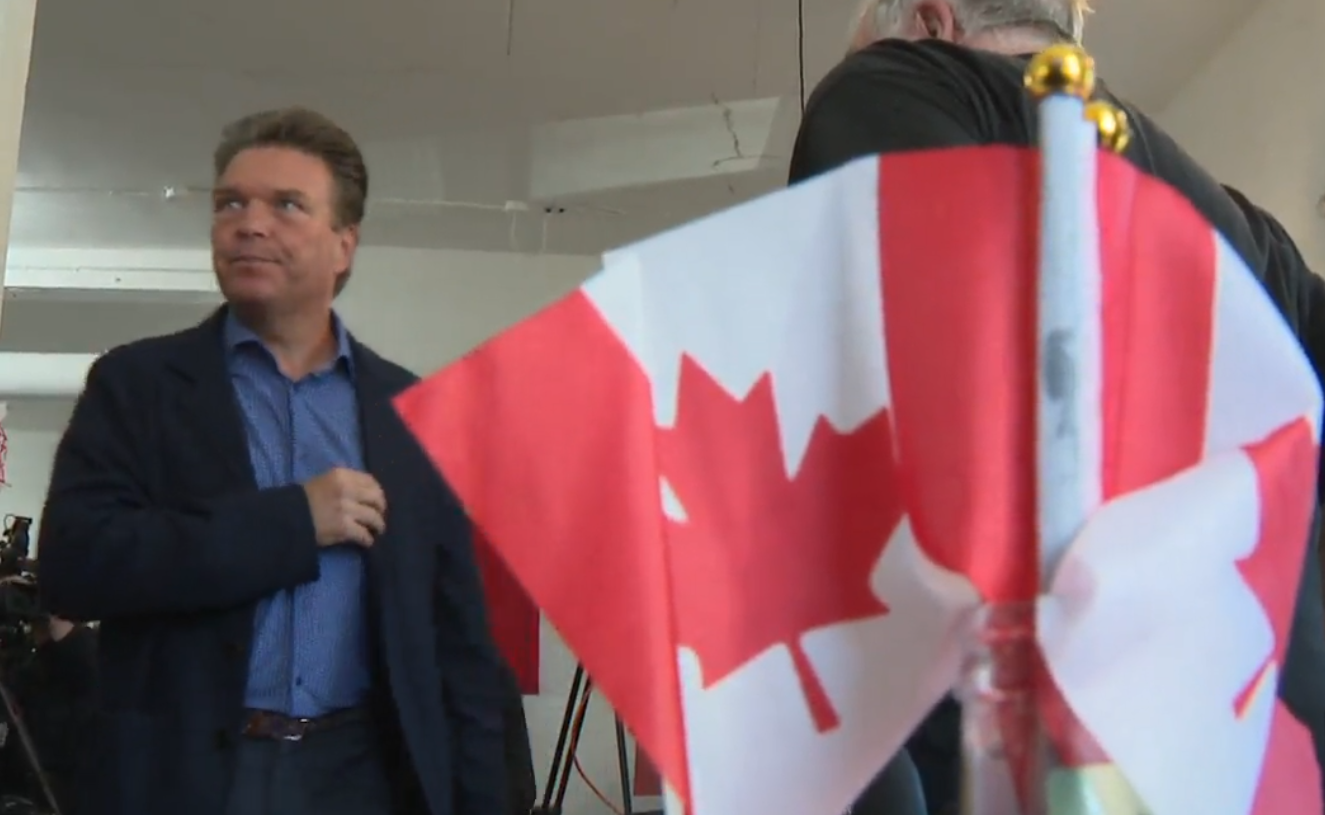
The political machinery surrounding Alberta's high-stakes referendum is shifting into a higher gear. With just weeks left before voters head to the polls, the Forever Canadian movement has officially transformed into a registered third-party advertiser. It is an aggressive move designed to combat voter apathy and push back against separation sentiment. But founder Thomas Lukaszuk is walking straight into a political firestorm. Critics are already asking why a group that has spent over a year handing out thousands of lawn signs, running bus tours, and hosting concerts claims they are only just now starting to campaign.
If you are trying to understand how this changes the ground game in western Canada, you need to look past the bureaucratic definitions and examine how third-party rules actually work on the ground.
The Pivot From Petitions to Paid Ads
For months, Forever Canadian operated as a petition-driven advocacy group. They managed to gather over 404,000 verified signatures urging Albertans to remain part of the country. They toured the province, put out roughly 80,000 lawn signs, and organized large-scale community events. Yet, Lukaszuk continuously insisted they were promoting national unity rather than fighting a specific referendum battle.
That distinction matters under provincial election laws. Elections Alberta defines referendum advertising narrowly. It must mention a specific question, involve paid media, and actively persuade voters to choose a side. Because Forever Canadian framed its early efforts around general awareness and legislative action, they operated outside those strict spending caps.
Now, the gloves are off. Lukaszuk says the group had to shift gears because complacency is the single biggest threat facing the federalist camp.
"This is not the time for complacency," Lukaszuk told reporters, stressing that turnout will decide the entire outcome.
The group is now telling voters to check Option A on Question 10, which asks whether Alberta should remain a province.
The Rules of the Game and the Transparency Trap
Becoming a third-party advertiser isn't just about changing your public messaging. It brings serious regulatory baggage. Registered groups face strict spending limits, capped around $607,000 for this cycle, alongside mandatory weekly donation disclosures.
This is where opponents smell blood in the water. Cory Morgan, who founded the pro-separation third-party group Pathway to Independence, argues that Lukaszuk skirted the spirit of the law for months. Critics point to the physical campaign office, the branded buses, and the massive distribution networks as proof that an active campaign has been running all along under the radar.
Elections Alberta records show Forever Canadian reported raising zero dollars as of mid-September, even though they registered as an advertiser back in June. Lukaszuk maintains that their financial books are clean and that they complied with every legal requirement because their previous work did not legally constitute a referendum campaign.
Political analysts point out that the fine line between civic education and partisan persuasion is nearly invisible to the average voter. Lori Williams, an associate professor of policy studies at Mount Royal University, notes that the distinction between what the group did yesterday and what they are doing today will be tough for the public to discern.
Why the Federalist Camp Worries About Slip-ups
Not everyone on the federalist side is popping champagne over the new partnership. Other anti-separation organizers welcome the heavy artillery, but they warn that any misstep could hand ammunition back to Premier Danielle Smith and provincial conservatives.
Stephen Carter, founder of Alberta's Voice, emphasizes that strict rule-following is non-negotiable right now. Any perceived loophole abuse or failure in financial transparency gives critics an opening to challenge the legitimacy of the entire process.
The political stakes couldn't be higher. If the federalist camp stumbles on technicalities, it risks alienating moderate voters who expect total transparency during a constitutional showdown.
What Happens Next in the Campaign
With the legal designation secured, Forever Canadian is dropping the nuance and moving into standard mobilization mode. They are putting money behind targeted messaging, driving door-to-door turnout efforts, and trying to crush voter apathy before ballots are cast.
If you want to track how this affects the final stretch, stop looking at the high-level rhetoric and watch the weekly financial disclosures. That is where compliance, donations, and campaign reality actually meet. The margin for error is zero, and the clock is running out.