Foreign intelligence operations on British streets rarely look like cinematic fiction. Instead of trench-coated figures passing microfilms in shadowy tube stations, modern espionage looks like surveillance footage captured on mobile phones, messages traded over encrypted apps, and detailed reconnaissance packages compiled against journalists working out of London offices.
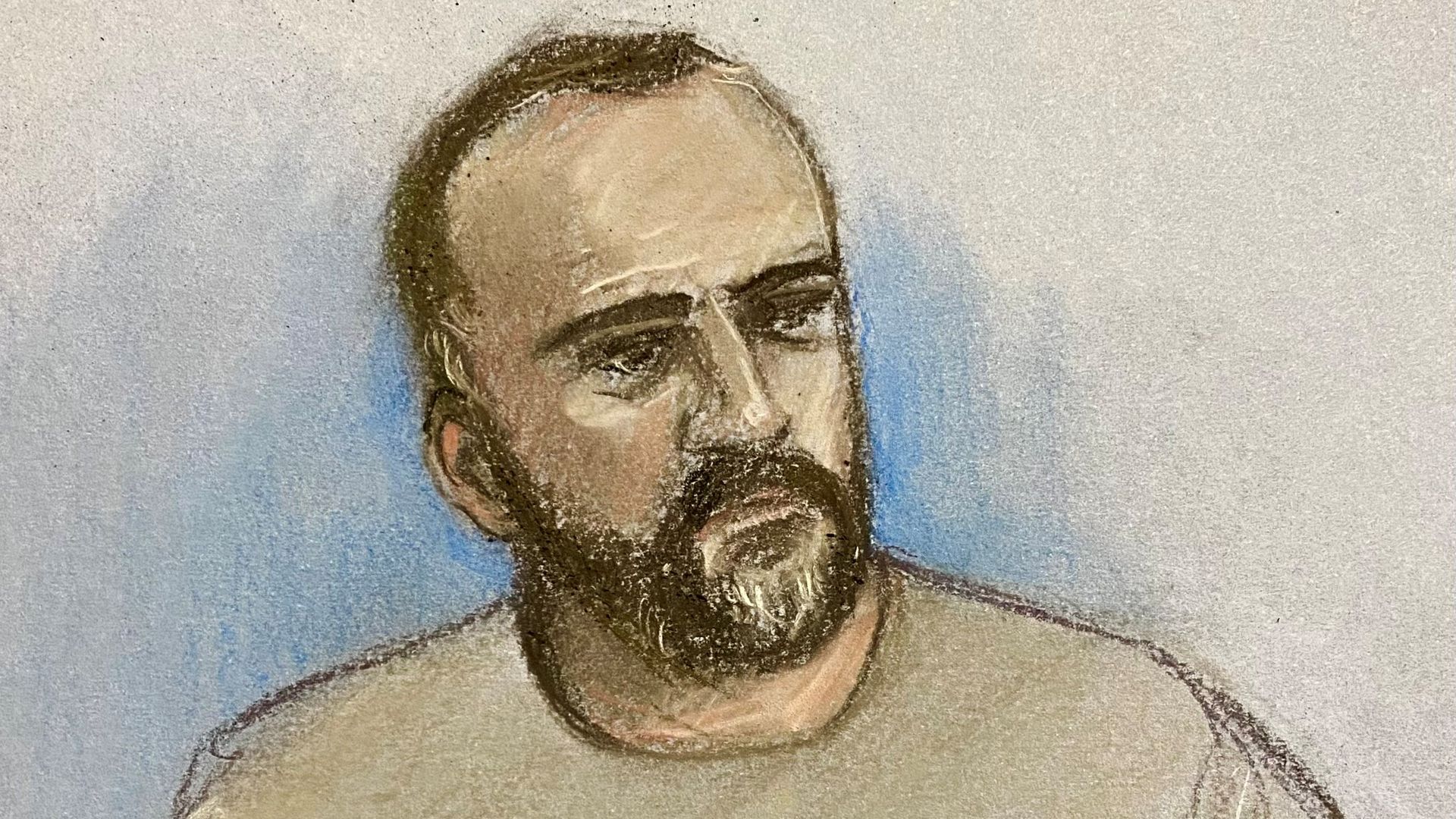
At Woolwich Crown Court, a trial underway has laid bare the mechanics of an alleged state-backed assassination and surveillance plot targeting critics of the Iranian regime. Prosecutors told the jury that Mostafa Sepahvand, a 41-year-old defendant, demanded a payout of £150,000 to "finish off" a UK-based journalist after conducting weeks of meticulous groundwork. Alongside co-defendants Farhad Javadi Manesh and Shapoor Qalehali Khani Noori, Sepahvand faces serious charges under the United Kingdom's National Security Act.
The indictment reveals a stark reality: domestic soil has increasingly become a battleground for transnational repression.
The Anatomy of a Surveillance Operation
The court heard that the core objective of the accused cell was simple and chilling. They gathered intelligence on journalists associated with Iran International, staking out addresses, documenting daily routines, filming building layouts, and cataloging personal details—such as the name of a target's dog—to prepare for violent retribution.
Prosecutor Bill Emlyn Jones told the jury that eliminating critical voices has effectively become a staple policy of the Islamic Republic of Iran. The goal is straightforward: silence dissidents living abroad, deter others from speaking out, and send an unambiguous message to anyone criticizing Tehran's government.
The evidence presented by prosecutors didn't rely on guesswork. Law enforcement pulled extensive data from the defendants' mobile phones after their arrests in May 2025. Those recovered files contained aerial images, location coordinates, and message threads showing coordination with handlers overseas. In one intercepted exchange, Sepahvand reportedly wrote about a target location: "It's a tourist area, look. They got these from Iran... I said 'okay, I'll go', if he/she/it wasn't there it's their own problem."
Beyond journalists, the surveillance web cast a wider net. The court heard that materials exchanged between the defendants also included targeting data on Jonathan Turner, a founder of UK Lawyers for Israel, pointing to multiple parallel strands of hostile reconnaissance.
Defense Strategies and the National Security Act
All three defendants have entered not-guilty pleas to charges of engaging in conduct likely to assist a foreign intelligence service. The legal arguments forming in the courtroom highlight the complicated nature of prosecuting proxy networks under modern legislation.
The defense approach breaks down along distinct lines. While the defendants do not dispute that they physically visited the locations and recorded video footage, their legal teams contest intent. Manesh and Noori claim they didn't know they were working on behalf of foreign intelligence handlers. Sepahvand is expected to argue that he acted under severe pressure, claiming he was bullied or threatened into compliance and intentionally sabotaged his own assignments by doing a poor job so his handlers wouldn't get what they wanted. Prosecutors also noted that Sepahvand sought help resolving an unrelated criminal conviction in Iran, framing it as a potential motivator for his compliance.
These trials represent a crucial test for the National Security Act, which came into force in 2023 to give British authorities sharper tools to counter state threats. These cases are no longer just diplomatic headaches handled behind closed doors; they are playing out in public criminal courts under high security.
The Broader Threat to Press Freedom
The implications extend far beyond a single courtroom in south London. For journalists operating in exile, safety is a daily calculation. Media organizations covering authoritarian regimes have had to upgrade physical security, alter travel habits, and rely heavily on counter-terrorism police protection just to put out a daily broadcast.
When foreign operatives treat London neighborhoods as operational zones for surveillance and potential violence, it strikes at the core of democratic safety. The legal proceedings at Woolwich Crown Court will ultimately decide what these three men knew and intended. Whatever the verdict, the case demonstrates that hostile states view the UK as a primary arena for targeting their critics—and protecting those targets requires constant vigilance from law enforcement and intelligence agencies.