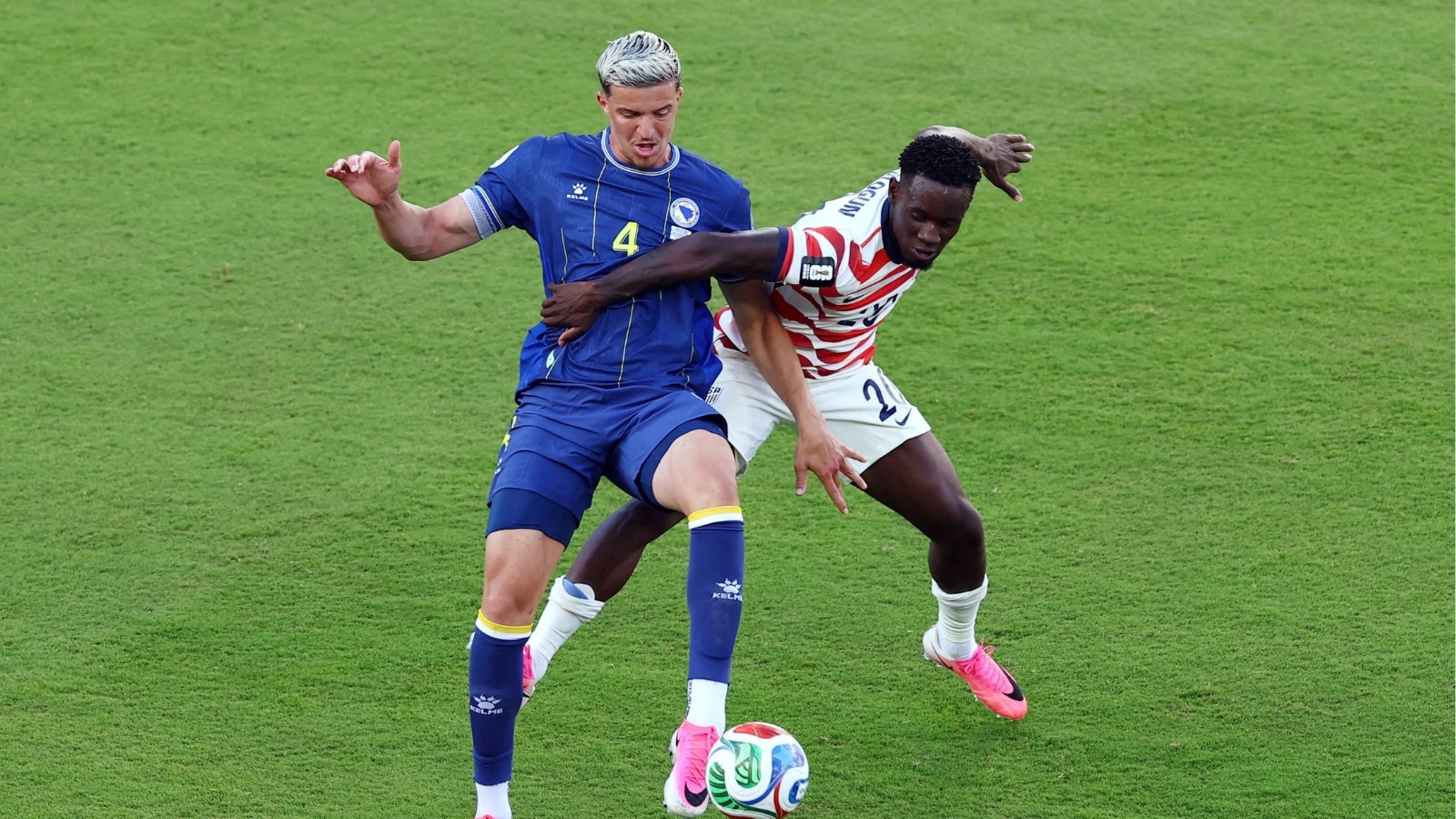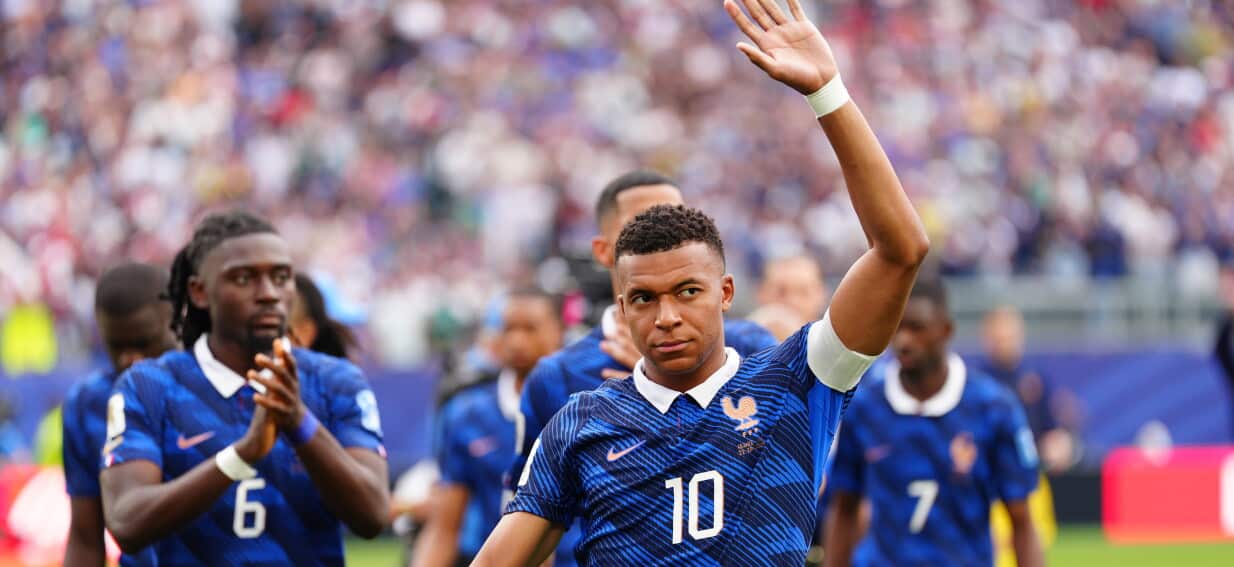
Kylian Mbappe just showed us exactly why he is more than a footballer. On Sunday, France knocked Paraguay out of the World Cup round of 16 with a tight 1-0 victory. Mbappe scored the winner from the penalty spot. But the real battle kicked off after the final whistle.
Paraguayan senator Celeste Amarilla targeted Mbappe on social media. She mocked his Cameroonian heritage, his upbringing, his education, and his appearance. She called him arrogant and ugly.
Mbappe did not stay silent. He fired back on Monday. He called her a despicable woman who is unworthy of her position in congress. He stood up for himself, his country, and honestly, the integrity of the sport itself.
This is not an isolated incident. It is part of a pattern we see at every major international tournament.
The Attack on Mbappe National Identity
Politicians should stick to politics. Celeste Amarilla is a 61-year-old lawyer and a member of Paraguay’s Authentic Radical Liberal Party. Instead of congratulating her own team on a hard-fought World Cup run, she chose to attack a player's roots.
She claimed her issue was with Mbappe specifically, not France. She even tried to claim she deleted the post and regretted using the same insults she has faced as a mixed-race person. Then she demanded an apology from Mbappe. She threatened legal action for gender-based violence.
It is a classic tactic. Turn the tables. Make the victim look like the aggressor.
Mbappe pointed out how her actions ruined the moment for her own country. The Paraguayan players sweated and fought with honour during the match. Amarilla’s racism made the world forget all about that effort.
The French Football Federation did not take this lightly. They announced plans to file a criminal complaint with the public prosecutor’s office. They stated that the players represent France and an insult to them is an insult to the entire country.
A Culture of Under the Table Racism in International Football
This World Cup has exposed some ugly truths. Just days before the match, former Paraguayan goalkeeper Jose Luis Chilavert made comments calling France a squad from Africa.
French federation president Philippe Diallo noted that Chilavert was once a great player but has fallen into disgrace.
Why does this keep happening?
European teams with diverse squads face constant scrutiny about their national identity. When France wins, they are French. When they face tension, critics point to their heritage. It is a double standard that players like Mbappe are tired of tolerating.
French Sports Minister Marina Ferrari stated that attacking Mbappe is an attack on liberty, equality, and fraternity. President Emmanuel Macron even posted his support, noting that Mbappe scored another goal, this time against racism.
What This Means for the Rest of the World Cup
France moves on to face Morocco in the quarter-finals. The team must block out the noise.
Mbappe has shown he can handle the pressure on the pitch. He has seven goals in this tournament so far. He leads by example. But the psychological toll of dealing with racist abuse from high-ranking political figures cannot be ignored.
Football governing bodies need to do more than just issue statements. Fines and social media bans are not working anymore. Criminal complaints, like the one the French Federation is pursuing, might actually force people to think before they post.
If you want to support players who face this kind of abuse, stop engaging with the trolls. Report the accounts. Demand that social media platforms enforce stricter verification rules for public officials. Hold your local sports federations accountable for how they handle discrimination.
France faces Morocco next in Boston. Watch the game for the football, but do not forget the fight happening outside the lines.