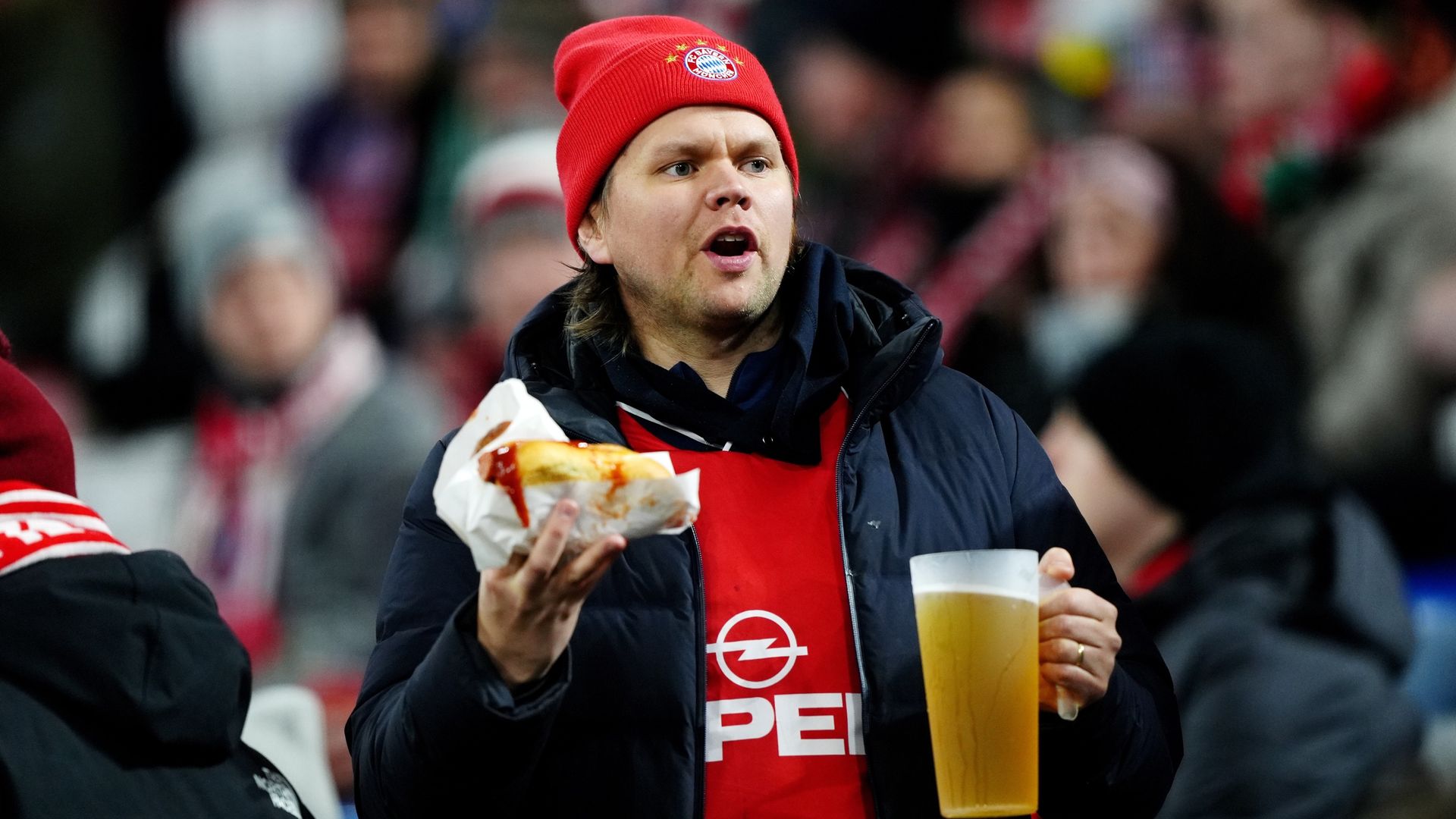
You can sit down with a pint at a rugby match, a concert, or even a domestic cricket fixture. But try sipping a lager in the stands at a men's football game in England, and you're suddenly breaking the law. It’s an absurd double standard. Prime Minister Andy Burnham recently called out this forty-year-old restriction as outdated discrimination, signaling that a trial or review could finally happen.
If you've ever stood on a stadium concourse gulping down a pint before the second half whistle blows, you know the frustration. The current rules are arbitrary, archaic, and desperately overdue for a rethink.
Why the Rules Exist and Why They Feel Broken
The restriction traces back to the Sporting Events Control of Alcohol Act 1985. Parliament rushed the legislation through during a grim era marked by widespread hooliganism and stadium infrastructure disasters. Lawmakers decided that banning alcohol consumption in view of the pitch would curb crowd violence.
Football culture has changed completely since 1985. Modern stadiums feature advanced CCTV systems, allocated seating, electronic ticketing, and heavy stewarding. Yet the law remains frozen in time.
Burnham put it simply during a recent trip to New York. As an avid Everton fan, he pointed out the clear hypocrisy: supporters can enjoy a drink in the exact same seats watching rugby league or a live music gig, yet face a blanket ban when watching a Premier League or EFL fixture. Treating football supporters like second-class citizens doesn't stop bad behavior—it just creates resentment.
The Double Standard Across Other Sports
Look at any other major sport in the UK, and you'll find a starkly different reality. Rugby union, rugby league, cricket, and concerts inside football grounds all permit alcohol in the seating bowl. Organizers manage crowds effectively without blanket bans on beverages.
Even within football itself, the rules have always lacked internal consistency. All Women's Super League clubs have been allowed to offer alcohol to supporters in the stands following successful trials. If it works safely for women's football, why keep the prohibition on the men's game?
The Football Supporters' Association has argued for years that criminalizing fans for having a beer while watching a match is entirely unreasonable. Fans are forced to chug warm lager on crowded concourses during a fifteen-minute half-time interval, leading to rushed drinking habits rather than relaxed consumption.
The Safety Backlash and Police Concerns
Not everyone welcomes the idea of a change. The UK Football Policing Unit warned that altering the rules would be incredibly rash. Police chiefs argue that football still battles a minority element prone to violence and disorder, with alcohol frequently acting as a catalyst. They want a seat at the table to explain the unique security challenges football matches present compared to other sports.
Their caution isn't entirely baseless. Football policing requires massive logistical coordination, and nobody wants a return to the chaotic scenes of past decades. But critics of the current ban argue that rushing drinks on the concourse right before kickoff or half-time actually encourages binge drinking. People slam down multiple pints in a few minutes because they know they can't take them to their seats. Allowing responsible drinking in the stands could theoretically slow down the rate of consumption.
What Happens Next
A wholesale scrapping of the 1985 act won't happen overnight. It requires proper consultation with sports ministers, stadium operators, clubs, and local authorities. However, government sources have not ruled out a limited trial basis to test how fans handle the change.
If you want to see the rule reformed, support organizations like the Football Supporters' Association that are lobbying for sensible modernization. Modern stadium security is more than capable of handling a pint in the stands. It's time to bring football into the twenty-first century.


