Four lives vanished into the freezing tide of the Seldovia Slough on a Wednesday afternoon, marking yet another grim reminder of the risks tied to aviation in America's largest frontier.
The aircraft, a Piper PA-24, took off from Anchorage’s Merrill Field bound for the remote coastal community of Seldovia, about 136 miles southwest. It never made it to the runway. Instead, it plunged into shallow waters near the shore, completely submerging. Alaska State Troopers and Wildlife Troopers rushed to the scene, but they couldn't immediately reach the victims. They had to wait hours for the tide to drop before pulling the four adult bodies from the wreckage.
The Reality of Seldovia and Remote Infrastructure
If you've never traveled off the road system in Alaska, you don't truly understand how vital small planes are. They aren't luxuries. They act as public buses, ambulances, and grocery trucks rolled into one.
Seldovia itself sits on the Kenai Peninsula, cut off from the main highway network. If you want to get there without a boat, you fly. That reliance creates a daily dependency on light aircraft navigating notoriously unpredictable weather, rough terrain, and coastal fog banks.
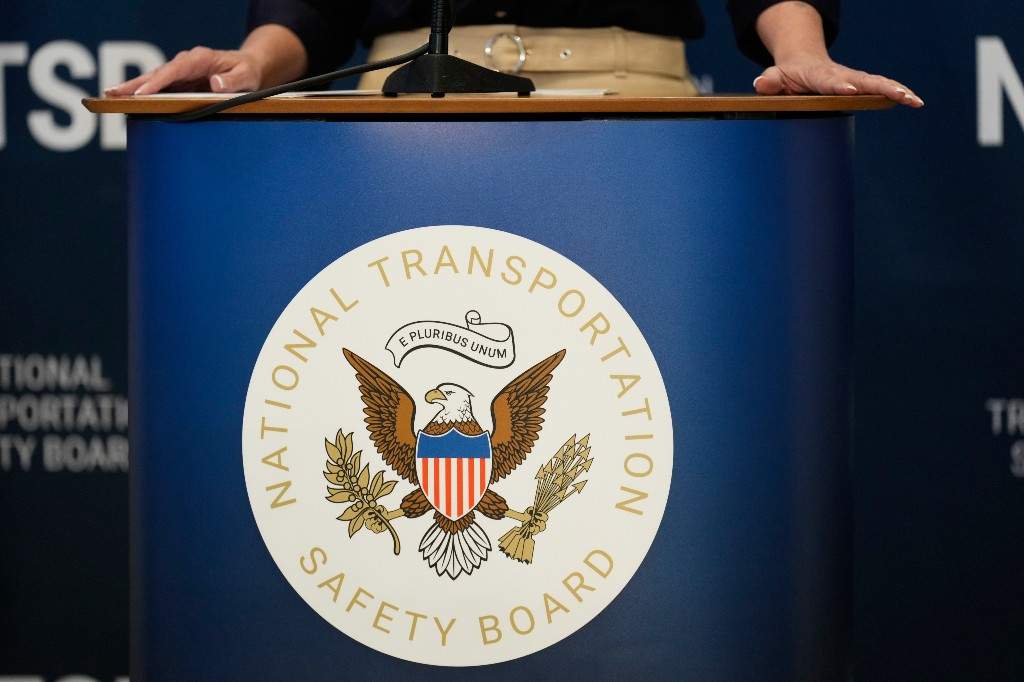
Clint Johnson, who heads the Alaska region for the National Transportation Safety Board (NTSB), noted that the Piper PA-24 ended up in roughly 15 feet of water. The delay in recovery caused by the shifting tides highlights just how logistically difficult rescue and recovery operations are in these remote areas. Troopers, local responders, and federal agencies often find themselves fighting nature just to secure a crash site.
A Brutal Week for Alaskan Aviation
This tragedy didn't happen in a vacuum. Just a week prior, another catastrophic crash struck a remote military site in western Alaska, killing all eight people on board. That flight, involving a Cessna making a second approach in heavy fog near the Cape Newenham Long Range Radar Site, exposed the constant dangers pilots face when visibility drops to zero around rugged mountain terrain.
Losing twelve people across two separate incidents in less than seven days has reignited fierce discussions about aviation safety and infrastructure. U.S. Senator Dan Sullivan publicly called the string of accidents unacceptable, pointing out that infrastructure and safety upgrades must remain a top priority.
Yet, throwing money at the problem rarely fixes the core issue quickly. Alaska holds more pilots and per capita aircraft than almost anywhere else, combined with weather patterns that can change from clear skies to zero-visibility whiteouts in minutes.
What Happens Next in the Investigation
The NTSB and the Federal Aviation Administration (FAA) have launched full investigations into the Seldovia Slough crash. Investigators will comb through maintenance records, weather logs, and radar data to piece together why the Piper PA-24 went down.
The State Medical Examiner's Office is handling the autopsies. Authorities are withholding the names of the four victims until positive identifications are made and next of kin are properly notified.
Until federal investigators release their final findings, the exact trigger for the Seldovia crash remains unknown. For the families waiting for answers and a tight-knit coastal community mourning a heavy loss, the wait will be agonizing. Aviation in the Last Frontier demands an unforgiving level of vigilance, and every downed plane leaves a scar across towns that rely entirely on the sky to stay connected.