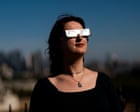
You don't need to book a flight to Spain or Iceland to catch the upcoming astronomical spectacle. On the evening of Wednesday, 12 August 2026, a dramatic partial solar eclipse will sweep across the UK, marking the most significant obscuration of the sun seen here since the famous total eclipse of 1999.
While the absolute path of totality misses the British Isles—best experienced in places like Iceland and northern Spain—the UK is still in line for an impressive show. Up to 96% of the sun will be swallowed by the moon if you are positioned in the right spot.
If you want to witness the maximum bite taken out of daylight, location is everything. Let's look at where you should actually go, what time things kick off, and how to avoid staring blindly at a cloudy western horizon.
Why Geography Matters for the August 2026 Eclipse
The physics of this event mean that coverage increases the further south and west you travel. If you are sitting up in the far northeast of Scotland, you will still see a respectable chunk of the sun disappear—around 88%. Slide down toward Manchester or Leeds, and that figure climbs past 91%.
Head all the way down to South Wales, and you are looking at roughly 94% coverage. But if you want the absolute peak UK experience without leaving the mainland, you need to plant yourself in the extreme southwest of England.
Top Regions for Maximum Obscuration
Cornwall and Devon are the undisputed winners for UK mainland viewing. Land's End and the surrounding cliffs near Sennen Cove will see roughly 95.8% of the sun covered. Nearby coastal spots like Woolacombe in North Devon or the high expanses of Exmoor offer stunning vantage points.
It is not just the southwest that gets the glory. Pembrokeshire in West Wales offers an exceptional 94% coverage, paired with sweeping sea views across Cardigan Bay. Further north, places like St Bees in Cumbria provide brilliant coastal optics over the Irish Sea, proving that you don't exclusively need to be down south to get a deep, crisp view.
Even urban areas get a great show. Londoners will experience roughly 91% coverage. The catch in the capital isn't the percentage; it's finding a high enough vantage point to see past concrete and skyscrapers.
The Low Horizon Challenge
Here is what most casual observers forget: timing and altitude. The eclipse peaks in the early evening, generally between 7:05 PM and 7:13 PM BST.
This means the sun will be hanging low in the west-northwest sky. You cannot watch this from a deep valley, a narrow city street, or a woodland clearing surrounded by tall trees. You need an unobstructed, open view of the western horizon.
Coastal cliffs, open beaches facing west, or elevated hilltops are your best friends here. If you are in London, spots like Primrose Hill or Parliament Hill will draw large crowds for precisely this reason. If you are on the coast, make sure you check the tide times so you don't get cut off while tracking the sunset.
Critical Safety Rules You Can't Ignore
Staring directly at the sun is a terrible idea, even when 95% of it is covered. In fact, a partial eclipse is more dangerous than a total one because the remaining sliver of sunlight still packs enough UV radiation to fry your retinas, yet the dimming ambient light tricks your eye into not blinking or looking away.
Do not use standard sunglasses, no matter how dark designer tints claim to be. They do not block the infrared and ultraviolet light that causes permanent cellular damage.
Instead, use certified eclipse glasses bearing the safety standard code ISO 12312-2:2015. Inspect old pairs for scratches or tears before wearing them—if the filter is compromised, throw them out. Alternatively, use indirect viewing methods like a simple pinhole projector or a solar telescope fitted with certified professional filters.
Planning Your Next Move
Mark 12 August 2026 on your calendar now. Check local weather patterns closer to the date, keep a backup viewing location in mind if your primary spot gets socked in by coastal fog, and order your certified safety glasses well in advance before stocks run dry. Pick an open hill or a west-facing beach, look up safely, and enjoy the show.