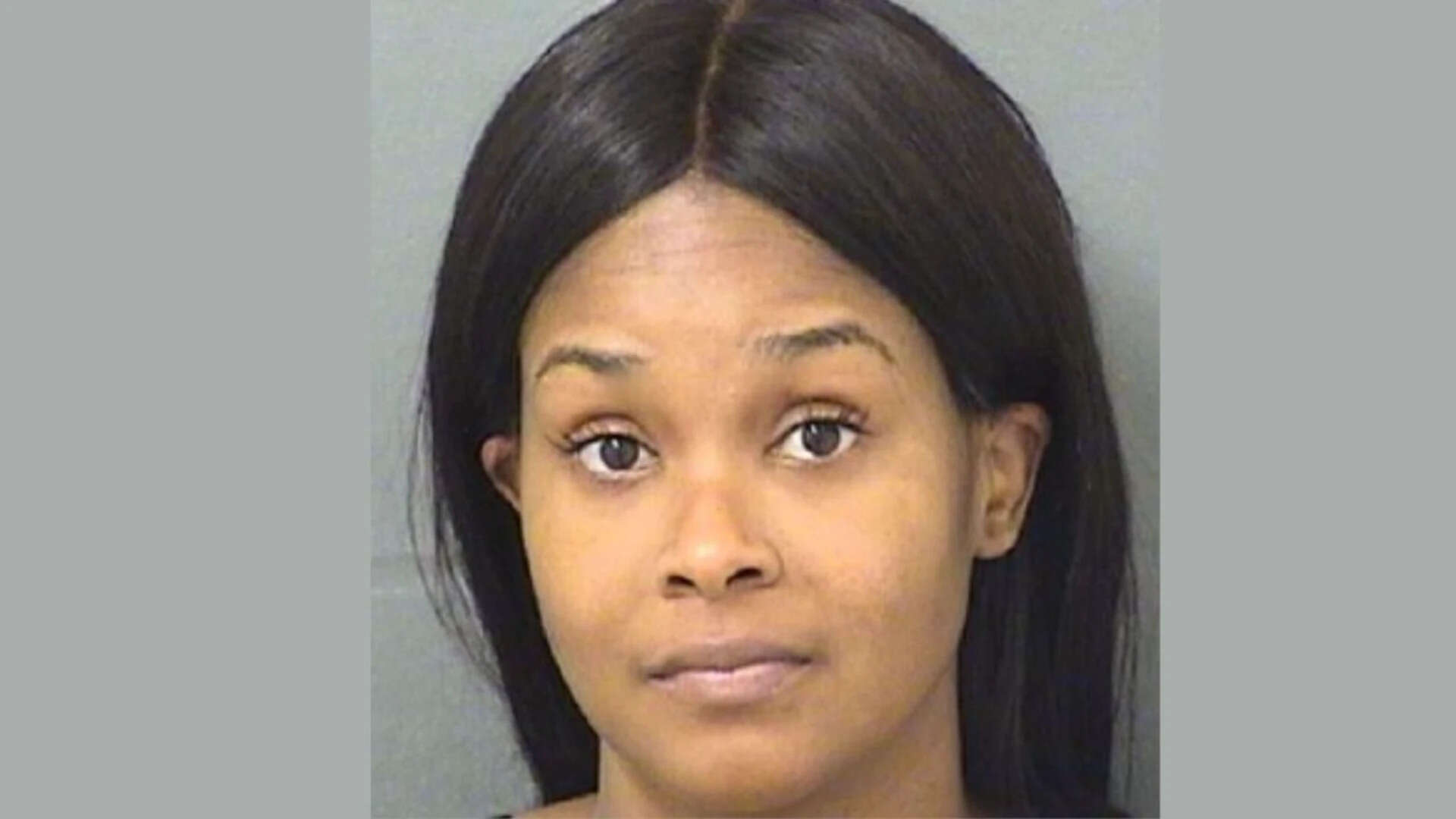
Running from federal agents sounds easier in the movies than it actually is. Ask Elaine Angene Escoe. She spent over a year dodging the law on a tropical island under an assumed name, only to find out that modern international manhunts are relentless.
Federal authorities recently brought Escoe back to South Florida after local law enforcement nabbed her in Jamaica. According to the U.S. Department of Justice, she was the final remaining defendant linked to a massive pandemic relief scheme that siphoned more than $32 million in taxpayer money. For a closer look into this area, we recommend: this related article.
FBI Director Kash Patel highlighted the capture as part of a broader crackdown on financial fugitives. If you have been following high-profile white-collar crime cases, this high-stakes extradition marks a major turning point. Let us look at how the entire operation unfolded and why pandemic-era fraud cases continue to haunt the people who thought they got away with it.
The Anatomy of a Multi-Million Dollar Relief Scam
When emergency funds rolled out during the global health crisis, oversight was stretched thin. Fraudsters saw an open door. For further background on this topic, comprehensive analysis can also be found at NBC News.
Escoe and her network didn't just submit a stray fraudulent application. Prosecutors outline a sophisticated operation targeting multiple relief pillars, including the Paycheck Protection Program (PPP), the Restaurant Revitalization Fund (RRF), the Shuttered Venue Operators Grant (SVOG), and Economic Injury Disaster Loans (EIDL).
To pull this off, the conspirators relied on a mountain of falsified paperwork:
- Forged tax returns
- Fabricated bank statements
- Ghost employee rosters representing businesses that didn't exist
They didn't stop at pocketing money for their own shell corporations. Investigators found that the group filed applications for third parties, skimming kickbacks that reached up to 50 percent of the total loan proceeds. Once the funds cleared, the money was bounced between accounts, withdrawn as physical cash, and hidden using signed blank checks.
The Fall of the Conspirators
The law caught up quickly, even if Escoe tried to buy time. Five of her co-defendants faced a federal jury or entered guilty pleas well before her extradition.
The sentences handed down by federal judges weren't light slaps on the wrist. Alfred Davis drew a heavy sentence of 235 months behind bars. Other co-conspirators, including Cher Davis, Latoya Clark, Gino Jourdan, and James McGhow, received prison terms ranging from 42 to 87 months.
Escoe was supposed to stand alongside them. Instead, she chose flight. After a federal warrant dropped in May 2025 and she skipped a mandatory court date, she vanished.
Living Under a Alias in Jamaica
Fugitives often make the mistake of thinking international borders offer permanent immunity. Escoe fled to Jamaica and assumed the alias "Harley Newman".
Hiding out under a fake identity sounds cozy until a tip reaches the right desk. The FBI's newly formed National Fraud Enforcement Division, alongside international partners like the Jamaican Constabulary Force and the Jamaica Fugitive Apprehension Team, closed the gap.
Her time ran out when an anonymous tip helped investigators pinpoint her location. Jamaican authorities moved in, arrested her, and paved the way for a U.S. Marshals-escorted flight back to Florida.
Why the Most Wanted Fraudster List Changes the Game
The timing of Escoe's capture underscores a strategic shift at the bureau. The FBI launched its dedicated "Most Wanted Fraudsters" list on June 4, 2025, to spotlight major white-collar criminals who skipped town.
Escoe landed on that list just days after its debut. Her capture in Jamaica marks the fourth high-value fugitive pulled off that specific list within a tight five-week window.
Director Patel noted that the bureau has successfully hauled back over 30 high-value fugitives since June. These individuals collectively account for billions in missing taxpayer funds across multiple continents.
Acting Attorney General Todd Blanche made the Justice Department's stance clear: fleeing the country doesn't grant immunity. Investigators are tracking financial trails across borders, proving that digital forensics and international cooperation outlast temporary disguises.
Escoe now faces formal federal counts including conspiracy to commit wire fraud, wire fraud, conspiracy to commit money laundering, and substantive money laundering charges. She awaits her day in court in the Southern District of Florida, where her former co-defendants are already serving multi-year prison sentences.
Check your compliance protocols and verify your audit trails. Federal agencies are actively auditing pandemic-era relief distribution, and old paper trails are still surfacing.