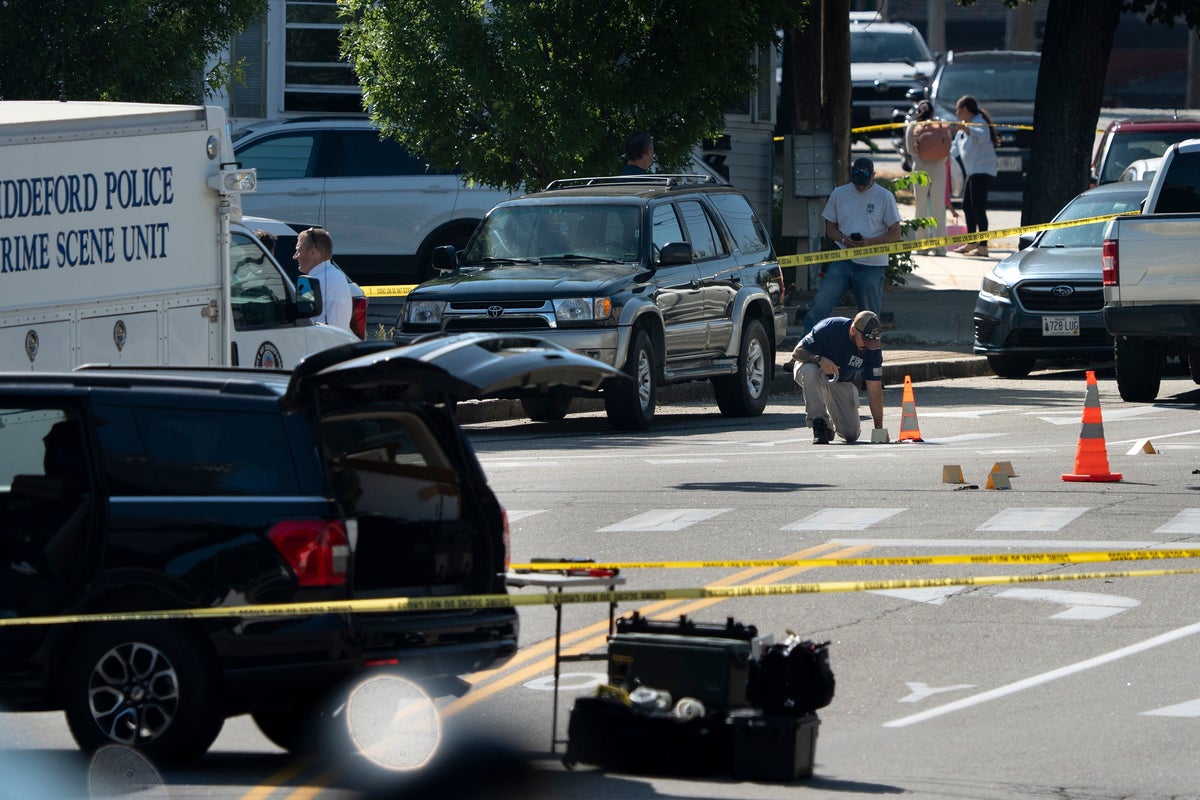
On a quiet Monday morning in Biddeford, Maine, the silence of a coastal community shattered under a hail of gunfire. A small car spun ninety degrees to the curb, chased down by a federal SUV. Inside, twenty-six-year-old Colombian national Johan Sebastián Durán Guerrero sat bleeding from his head, desperately telling a witness, "I tried to stop". He died shortly after.
This was not a high-stakes sting against a violent cartel leader. Durán Guerrero was not even the target of the federal investigation. He was simply a driver leaving an address that immigration officers had under surveillance.
His death marks the ninth fatality during immigration operations since the start of the administration’s mass deportation push. At least four of those deaths involved people inside vehicles. This escalating trend of opening fire on moving cars points to a systemic failure in training, accountability, and basic tactical judgment at the federal level.
Why Shooting at Moving Cars is a Tactical Disaster
Decades ago, major metropolitan police departments realized that shooting at a moving vehicle is an incredibly dangerous and ineffective practice. When an officer shoots a driver, the vehicle does not simply click into park. Instead, you get an unguided multi-ton missile of steel and glass hurtling down public streets with a dead or unconscious person at the wheel.
Criminology experts have spent years warning that discharging firearms into moving vehicles puts the public at immense risk. If the driver is incapacitated, the car keeps moving, potentially plowing into pedestrians, houses, or oncoming traffic.
Federal immigration agents, however, seem to operate under a different set of rules. They continue to execute high-risk vehicle stops with little regard for these established policing standards. Former immigration officials acknowledge that while agents receive training on vehicle stops, they retain wide, highly questionable discretion on when and how to pull people over. In practice, this discretion too often translates into panic and lethal force.
The Shifting Narrative and the Self-Defense Excuse
Almost every time a federal immigration officer kills someone in a vehicle, the initial press release follows a predictable script. The agency immediately claims the driver tried to use the vehicle as a weapon, forcing the agent to shoot in self-defense.
We saw this exact script play out in Biddeford. Right after the shooting, Homeland Security Secretary Markwayne Mullin told Maine Senator Angus King that the officer fired because the driver tried to ram them.
But twelve hours later, that story fell apart. The Department of Homeland Security quietly revised its statement. The new version did not mention the car being used as a weapon. Instead, it claimed the vehicle "attempted to flee the scene" and the officer opened fire out of a vague fear for "public safety".
Consider the absurdity of that justification. To protect "public safety" from a fleeing driver, an officer decided to shoot and kill the driver, turning the car into an out-of-control hazard in a residential area. It makes zero sense.
This shifting story matches a pattern seen in other recent shootings, such as the killing of another motorist in Houston. In that case, federal officials claimed the driver tried to ram an officer. Eyewitnesses and bystander videos told a completely different story, showing officers standing safely on the passenger side of the car, firing through the window.
The Shield of Missing Body Cameras
When local police officers shoot someone, investigators look at body-worn camera footage to piece together the truth. But when federal immigration agents pull the trigger, we are left in the dark.
The officers involved in the Biddeford shooting were not wearing body cameras. This lack of basic modern equipment is a deliberate shield against accountability. Without video evidence, federal agencies can adjust their narratives at will, relying on the word of their own agents while the primary witness lies in a morgue.
The absence of body cameras during high-stakes deportation operations is unacceptable. It creates a culture of impunity where agents know their version of events will remain the official record unless a bystander happens to record the encounter on a smartphone.
A Political Firestorm in Maine
The tragedy in Biddeford has quickly evolved from a local incident into a major political crisis. Democratic lawmakers and local advocacy groups have turned their anger toward Senator Susan Collins. They point out that Collins has repeatedly voted to fund these federal agencies with billions of dollars while failing to demand meaningful reforms or oversight.
Under intense pressure, Collins contacted the DHS Secretary to urge a temporary halt to "non-urgent vehicle stops". Activists argue this is far too little, too late. They point to the human cost of these policies, arguing that giving federal agents a blank check has allowed a rogue agency to run wild in local communities.
Local protesters have taken to the streets, holding vigils and rallies outside ICE facilities. The message is clear: communities do not feel safer when federal agents turn their streets into shooting galleries.
Actionable Steps to Prevent the Next Tragedy
We cannot keep waiting for the next shifting press release after a fatal shooting. If federal agencies refuse to reform themselves, state leaders and local communities must take action to protect their residents.
- Mandate Body Cameras Immediately: Federal agencies must face immediate funding cuts if they do not equip every active field agent with always-on body-worn cameras. No camera, no funding.
- Implement Local Non-Cooperation Policies: Cities and towns should pass ordinances prohibiting local police from assisting federal immigration operations that involve high-risk vehicle stops. Local departments must draw a line to protect their own residents from federal recklessness.
- Enforce Strict State Investigations: State Attorneys General, like the one in Maine, must conduct completely independent investigations of federal shootings, treating federal agents who use lethal force with the same legal scrutiny as any civilian.
- Ban Vehicle Shooting Tactics: The federal government must explicitly ban agents from shooting at or into moving vehicles, aligning federal policy with the modern, safer standards used by local police departments across the country.
The Biddeford shooting proved that federal immigration operations are currently structured in a way that values quick arrests over human lives and public safety. Without immediate, structural changes to how these agents operate, more innocent bystanders and non-targets will end up in the crosshairs.