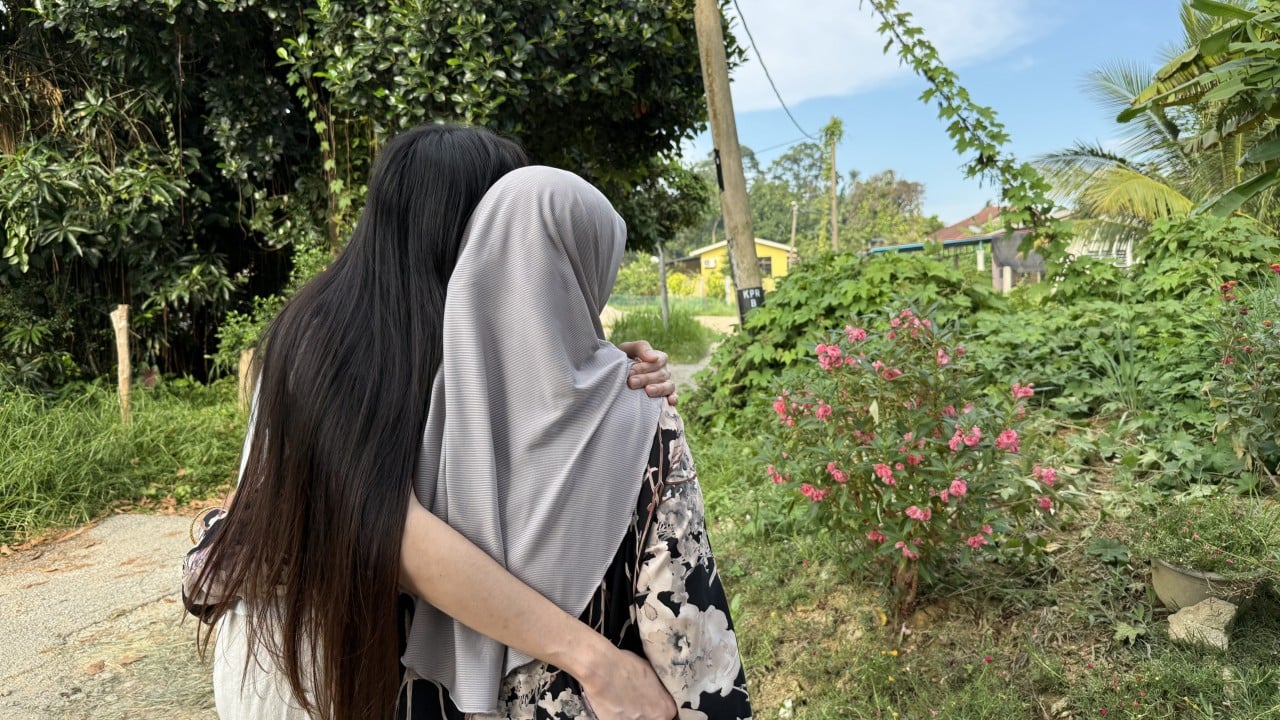
Walking down the street shouldn't feel like a high-stakes gamble, but for transgender individuals in Malaysia, everyday life often involves navigating a complex web of social hostility and legal pressure. When state-level sharia laws and religious enforcements tighten their grip, the private sanctuary of a supportive home becomes the only barrier between survival and total isolation.
Look closely at communities in states like Kelantan, and you'll find a quiet reality. While public crackdowns grab headlines, kitchen tables tell a different story. Mothers across the country are quietly drawing a line in the sand, choosing their children over rigid societal expectations. You might also find this similar story interesting: Why Independent Bookshops Are Winning The Retail War Right Now.
The Weight of Dual Legal Systems
Malaysia operates under a dual-track legal framework where civil law runs parallel to sharia law. For Muslim citizens, state sharia enactments frequently target gender non-conformity, criminalizing expressions that do not align with assigned birth sex. These regulations empower religious enforcement officers to conduct sweeps, haul individuals into counseling sessions, or subject them to tribunals.
Because enforcement varies wildly by state, conservative strongholds present heightened risks. In places like Kelantan, public life requires constant vigilance. Transgender women face scrutiny not just from strangers on the sidewalk, but from authorities armed with statutory backing to police personal identity. As discussed in recent articles by Glamour, the implications are worth noting.
This environment breeds constant anxiety. You check your clothes twice before stepping out. You avoid public transport during peak hours. You worry that a single glance or an administrative hurdle at a government office will trigger an interrogation.
When the Kitchen Table Becomes a Sanctuary
Against this backdrop of systemic pressure, maternal support acts as an anchor. In many traditional Malaysian households, mothers are defying cultural taboos and religious conservatism to protect their trans children.
It isn't about grand political statements. It's about everyday acts of preservation. It's a mother using the correct pronouns behind closed doors, defending her daughter against critical extended family members, and ensuring there's always a plate of food waiting at home.
Sociologists note that familial bonds in Southeast Asia carry immense weight. When a family unit breaks rank with societal prejudice, it shields the individual from the psychological toll of chronic rejection. Studies on LGBTQ youth mental health consistently show that basic validation from just one parent drastically lowers rates of depression and self-harm. In Malaysia, that validation isn't just emotional support—it's a literal lifeline.
Navigating Employment and Public Spaces
Legal discrimination creates severe economic roadblocks. Changing gender markers on official Malaysian identification documents remains notoriously difficult, if not impossible, for most trans citizens. This mismatch between appearance and official paperwork turns routine tasks like applying for a job, opening a bank account, or checking into a hospital into humiliating ordeals.
Many find themselves pushed out of the formal corporate sector. They gravitate toward informal gig work, beauty salons, or creative fields where communities look out for one another. Yet, economic vulnerability makes them even more reliant on family safety nets.
When a family home opens its doors, it relieves the immediate threat of homelessness. But financial stability remains a constant hurdle. Grassroots advocacy groups in Kuala Lumpur and other urban centers try to bridge the gap by offering legal aid and safe housing, but resources are thin, and rural areas remain severely underserved.
Moving Past Fear Toward Solidarity
Change rarely happens overnight, especially in societies where religious conservatism dictates political discourse. Yet, individual stories of parental acceptance reveal cracks in the wall of intolerance. Every mother who chooses love over dogma chips away at the stigma.
If you want to understand where transgender rights are heading in Malaysia, look past the courtroom battles and legislative debates. Look inside the homes where fierce maternal loyalty redefines what family means. Support grassroots networks, listen to local advocates who navigate these systems daily, and recognize that human dignity shouldn't depend on your postcode.