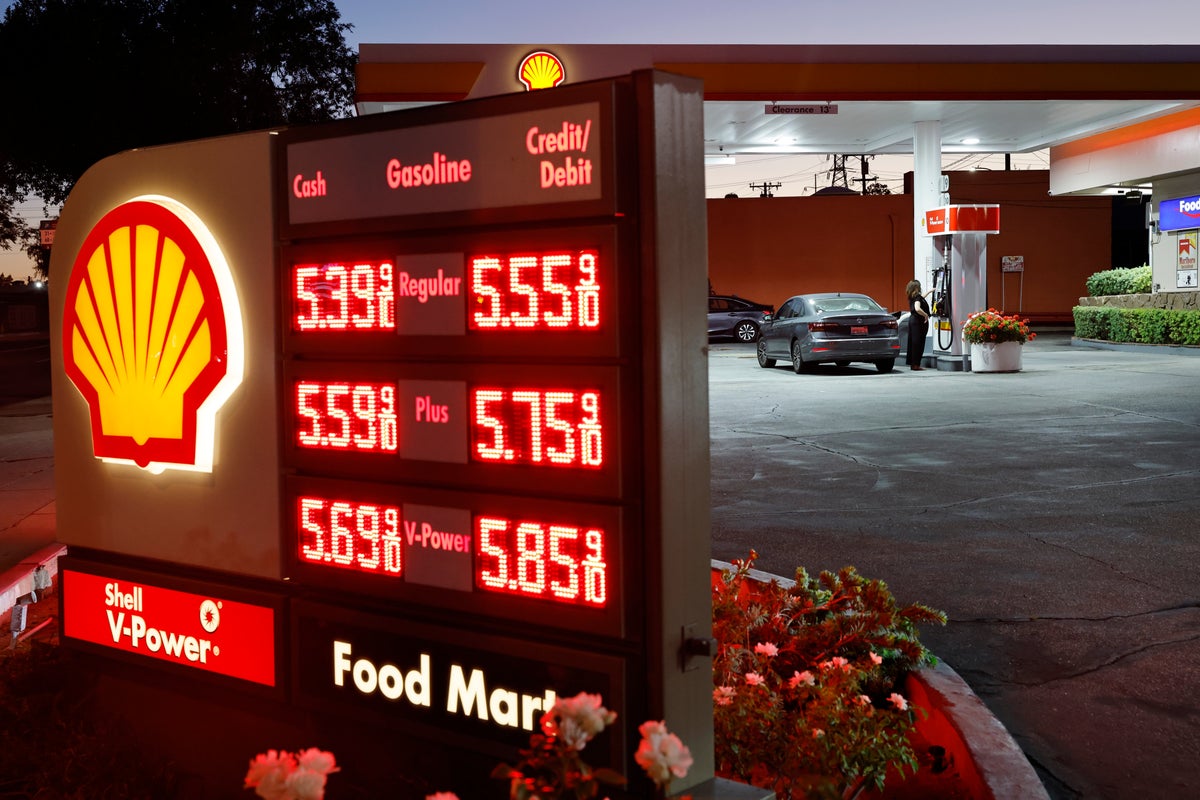
Look at the headlines and you might think the global energy crisis is finally cooling down. Brent crude futures have pulled back significantly, bouncing around the mid-$70s to $85 range. Headlines scream that negotiations to resolve geopolitical tensions have traders breathing a sigh of relief.
But if oil is getting cheaper, why does filling up your tank or buying industrial diesel still hurt so much?
The reality is that crude prices are lying to you. There is a massive disconnect happening between the price of raw petroleum and the actual supply of usable refined fuels like gasoline, diesel, and jet fuel. The market for products you can actually burn is screamingly tight, even if the price of the raw sludge coming out of the ground looks subdued.
Investors and logistics managers who only track the headline crude price are missing the real story. The global energy market isn't oversupplied. It's experiencing a structural processing bottleneck that isn't going away anytime soon.
The Mirage of the Crude Oil Benchmark
Crude oil is useless until a refinery cooks it down. Right now, a perfect storm of factors is keeping crude prices artificially suppressed while fuel markets remain incredibly choked.
First, look at sentiment. Paper traders on Wall Street are obsessing over slowing macroeconomic growth and the rapid rise of electric vehicles. They see headline numbers from institutions like the International Energy Agency showing slowing demand growth and they immediately short crude futures.
Second, the actual physical supply of crude hasn't vanished. Even with massive shipping disruptions, raw oil is still finding its way onto water. If a primary shipping channel gets blocked, crude just sits in storage or takes the long way around. It piles up. The paper market looks at these rising raw inventories and assumes everything is fine.
It's a total illusion.
While raw crude sits in tanks, the specialized machinery required to turn that crude into fuel is breaking down, running at maximum capacity, or located in the wrong parts of the world. You can't put raw Brent crude into the tank of a delivery truck.
The Golden Age of Refining Margins
Because usable fuel is so scarce, the companies capable of turning crude into gasoline or diesel are printing money. Refinery profit margins—often tracked through metrics like the "crack spread"—have spiked dramatically.
Historically, a standard refinery crack spread might hover between $10 and $15 a barrel. Recently, those margins have blown past historical norms, occasionally surging toward eye-watering levels depending on the specific product and region. When the difference between the cost of crude and the selling price of the fuel expands like this, it tells you exactly where the shortage lies. The problem isn't a lack of oil. It's a lack of refining capacity.
Refiners are working their infrastructure to the absolute bone to capture these massive profits. But you can't run complex, high-pressure chemical plants at 95% capacity indefinitely without consequences.
We are seeing an unprecedented wave of unplanned refinery outages. From electrical failures to unexpected maintenance shutdowns, the global refining network is suffering from extreme fatigue. Every time a major refinery in Europe or the US Gulf Coast goes offline for a week, millions of barrels of fuel supply vanish from a market that has zero cushion.
Why the Fuel Cushion Has Evaporated
The buffer is gone. During the quieter winter months, fuel markets typically build up a healthy inventory cushion to prepare for the summer driving season and peak agricultural demand. That didn't happen this time.
Data from the US Energy Information Administration showed that commercial gasoline and distillate inventories fell to multi-year and, in some cases, multi-decade seasonal lows. When the heavy demand periods hit, fuel makers were already starting from a deficit.
To make matters worse, trade flows are completely warped. Consider what happens when global shipping routes face disruption. Refiners are forced to change their product slates. US refiners, for instance, have increasingly prioritized lucrative diesel and jet fuel production to backfill systemic shortages overseas, effectively starving domestic gasoline inventories.
When total demand for fuel routinely flirts with or exceeds the maximum daily volume that global refiners are physically capable of producing, prices at the pump remain sticky and high. It doesn't matter if crude drops to $60. If refiners can't process it fast enough, fuel prices stay decoupled from the benchmark.
Real-World Action Steps for Businesses
Ignoring the spread between crude and refined products will break your budget. If your business depends on transportation, freight, or manufacturing, you need to adjust your strategy immediately.
- Stop budgeting based on Brent or WTI: If your financial team looks at crude oil futures to forecast your fleet's fuel costs for the next two quarters, change that process today. Track regional wholesale fuel spot prices instead.
- Secure physical supply early: In a choked market, availability matters more than a marginal price discount. Lock in supply contracts with guaranteed delivery volumes rather than relying entirely on the spot market.
- Hedge the crack spread, not just the barrel: If you use financial derivatives to manage energy risk, ensure your hedges account for refining margins. Hedging against a drop in crude won't protect you if refining bottlenecks cause fuel prices to spike independently.
The paper market will keep reacting to daily political headlines and macro fears, keeping crude prices look deceptively stable. But on the ground, the physical reality of tight fuel supplies is a structural issue that will take years of refinery investments to fix. Act accordingly.