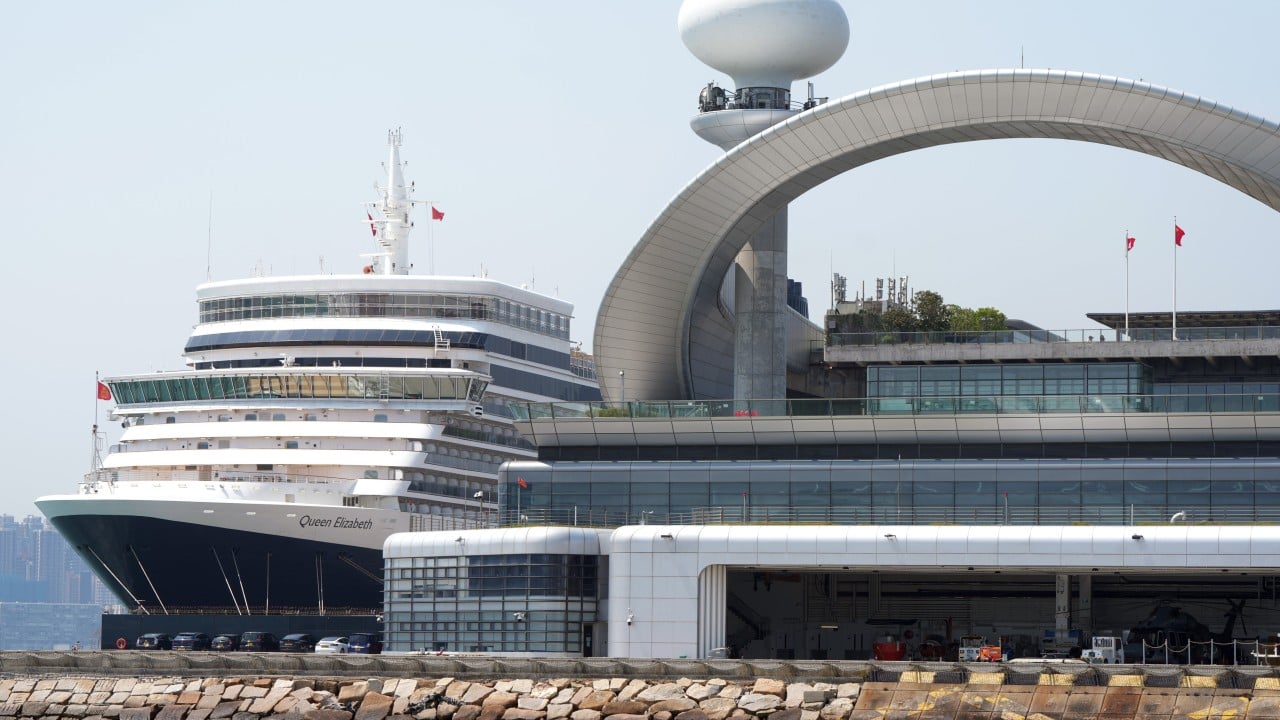
Stop calling the Kai Tak Cruise Terminal a ghost town. It is lazy. It misses the point entirely.
For years, critics have mocked the massive white structure sitting on the old runway. They point to empty retail bays and quiet weekdays. They complain about transport. But fixing this multi-billion-dollar piece of infrastructure is not about counting daily footfall or pretending it can become a standard shopping mall. It is a highly specific commercial challenge. Now that the government's major open tender has closed, Hong Kong is staring down a critical transition.
Secretary for Culture, Sports and Tourism Rosanna Law made it clear that the city needs actual visionaries to run the site, not just traditional property managers. She is right. The old ways did not work. If the next operator treats this place like just another piece of government real estate, it will fail.
The Ghost Town Label Is Hard To Shake
The terminal opened in 2013 with massive expectations. It was supposed to anchor the redevelopment of East Kowloon. Instead, it became a punchline for poor connectivity. When a mega-ship docked, passengers faced endless taxi lines and jammed buses. When ships left, the terminal fell silent.
That is not entirely fair to the cruise numbers. The facility handles over 80% of Hong Kong's cruise passenger throughput. Ships like the Spectrum of the Seas and Costa Serena use it heavily. It works perfectly well as a processing center for thousands of travelers arriving by sea. The actual failure is everything else. The commercial areas have been chronically underused. Retail spaces sat empty because regular shoppers had no reason to travel to the tip of a former runway.
Previous management took a passive approach. They waited for tenants to show up. They relied on standard transport options that did not work for a remote peninsula. To fix this, you have to realize that the terminal cannot survive on cruise passengers alone. It needs a reason to exist for locals on the days when no ships are in sight.
The New Strict Rules For The Next Operator
The government knows the status quo is broken. That is why the latest tender, which closed in late May, features teeth that the previous contract lacked. The authorities are introducing specific key performance indicators that the winning bidder must meet over their ten-year lease.
These are not vague goals. They are hard numbers. The next operator must secure at least 85 ship calls every single year. They must host a minimum of 13 large non-cruise events annually, drawing at least 6,500 visitors to those specific activations. On top of that, they have to maintain a commercial occupancy rate of at least 60% for the retail and ancillary spaces.
If they miss these targets, they face financial penalties or worse. The government has consolidated the management structure. The winner will control the entire site. This includes the rooftop garden and the podium gardens on the second floor. No more passing the buck between different departments. One entity holds the keys, and one entity takes the blame.
Combining Forces With The Kai Tak Sports Park
The biggest mistake people make when discussing the terminal is looking at it in isolation. You cannot separate its future from the massive 30-billion-dollar Kai Tak Sports Park nearby. The sports park changed the entire geography of the district when it opened. It draws massive crowds for stadium concerts, international rugby, and major athletic events.
A smart terminal operator will view the sports park as its primary engine for foot traffic. When tens of thousands of music fans or sports enthusiasts pour into the area, the cruise terminal must be ready to capture them.
Think about accommodation and dining. The terminal has the space to host large-scale pop-up night markets, pre-concert fan zones, or post-event parties. It can offer dining options that the immediate sports park vicinity lacks. If a visitor is already in Kai Tak for a mega-event, getting them to spend an extra two hours at the terminal is an easy sell. But you have to give them a reason to walk down the runway.
What A Visionary Operator Actually Looks Like
Rosanna Law threw out ideas about turning the empty retail zones into entrepreneurial incubation hubs. This is where a visionary operator separates themselves from a standard bureaucrat.
A bad operator will try to fill the space with standard chain restaurants and souvenir shops. That will fail immediately. Locals will not take a ferry or a minibus to visit a coffee chain they can find downstairs from their own apartment. The space needs exclusivity.
Think about the adjacent Runway 1331 project. It aims to create an incubation space for arts, culture, and youth programs. The terminal needs to lean directly into that ecosystem. It should offer low-rent, flexible spaces for local designers, digital artists, and indie performance groups. Small theaters with high-quality acoustics that seat 100 to 200 people would fill a massive gap in Hong Kong's current cultural inventory.
Instead of treating the terminal as a mall, treat it as a massive, industrial-scale creative canvas. Host tech expos, niche fashion weeks, or e-sports tournaments that do not fit into traditional convention centers.
Practical Steps To Turn The Runway Around
The transition will take time. The next operator needs to start preparing a full team long before they officially take over from the current management in mid-2028. If you want to see this asset actually pay off for the city, look for these immediate moves.
First, fix the water transport. The ferry services from Kwun Tong and Sai Wan Ho are the most pleasant way to reach the tip of the runway. They are fast. They bypass Kowloon traffic. The operator needs to subsidize or co-market these routes during major event days to make arrival completely frictionless.
Second, ditch long-term rigid leases for retail. Offer rolling, short-term pop-up licenses to weird, interesting local businesses. Fill the 50,000-square-foot rooftop garden with weekend markets, outdoor cinema nights, and craft beer festivals.
Third, stop waiting for the government to solve the logistics. The operator must build direct partnerships with ride-hailing platforms and coach services to guarantee that when an event ends, people can actually leave.
The era of treating the Kai Tak Cruise Terminal as a passive transport hub is over. It is an entertainment asset. If the next operator does not understand that, those new strict government targets will crush them.