Two hundred million euros won't buy an ice sheet. It buys time, strategic anchoring, and a seat at the table where the Arctic melts.
When European Commission President Ursula von der Leyen touched down in Nuuk alongside Danish Prime Minister Mette Frederiksen and Greenlandic government leader Jens-Frederik Nielsen, the PR messaging focused on cozy family tables and clean energy. Honestly? It's defensive triage. Donald Trump keeps floating the idea of U.S. control over Greenland, European allies spent January sweating tariff threats after small Arctic troop deployments, and Brussels suddenly realized that ignoring a semi-autonomous island with rare earths is a geopolitical rookie mistake.
Let's look past the diplomatic handshakes. What is the EU actually buying with €200 million ($232 million) through 2028, and a proposed scaling past €530 million later?
The Math Behind the Arctic Scramble
Money talks louder than communiqués. The initial €200 million package equals roughly 7% to 8% of Greenland's annual GDP, according to the Greenlandic Business Association. That's massive macro-stimulus for a micro-economy of roughly 57,000 people.
Where does the cash go?
- Connectivity: Projects like "Connecting Greenland, Together" target stubborn remote-area broadband deficits (notably bypassing Elon Musk's Starlink, which Nuuk previously kept at arm's length).
- Critical Minerals: Molybdenum projects like Malmbjerg promise up to €90 million in annual added value. Europe needs graphite, rare earths, and titanium without routing supply chains through Beijing or worrying about Washington's sudden map-making moods.
- Power and Infrastructure: Hydroelectric upgrades, housing, and sustainable fisheries.
Denmark already dropped a $250 million infrastructure baseline last year. Canada, France, and Norway opened consulates in Nuuk. Everyone wants a flag planted in the snow.
Why Trump Changed the Math for Brussels
Before Washington turned Greenland into a headline sport, Brussels treated Arctic policy like a bureaucratic afterthought. Climate reports traded hands. Research grants funded ice-core drilling. Nobody rushed commercial satellite links or rare-earth processing facilities in Kangerlussuaq.
Then came the January small-footprint NATO exercise friction and tariff saber-rattling. Trump backed down only after Arctic security discussions intensified, leaving European capitals acutely aware of vulnerability.
Von der Leyen's line in Nuuk—territorial integrity, sovereignty, inviolability of borders—sounded like standard UN wallpaper. In practice, it's a boundary marker. Europe isn't competing with Greenlandic self-determination; it's pre-empting a unilateral U.S. economic or diplomatic squeeze play.
The Local Reality Check
Don't mistake Greenland for a helpless pawn. Premier Jens-Frederik Nielsen called Europe a "loyal and trusted friend," which is diplomatic code for: we'll take your infrastructure capital while steering our own constitutional path toward independence.
Greenlanders walk a tightrope. Business leaders note that U.S. noise creates discomfort, yet foreign capital diversification gives Nuuk leverage it never had under Copenhagen's historic financial thumb. When 11 NATO nations run Arctic Shield drills with 400 special forces troops—excluding U.S. boots—the message is multi-polar choreography. Everyone wants security guarantees; nobody wants a foreign deed holder.
What Happens Next in the High North
Expect three shifts before the snow flies deep again:
- The October 20 Arctic Strategy Redefinition: Watch for Brussels officially branding the Arctic its "northern neighbourhood." Semantic shift? Yes. Operational shift toward defense integration and funding? Also yes.
- Permitting Bottlenecks: Environmental reviews in Greenland move slowly by design. Announcing €90 million from Malmbjerg molybdenum isn't the same as moving heavy diesel excavators across permafrost without local labor crunches.
- Transatlantic Friction Management: Washington won't stop whispering about Greenlandic security architecture. U.S.-Greenland-Denmark talks run quiet pipelines behind the loud public EU ribbon-cuttings.
If you're tracking critical mineral portfolios or Arctic shipping lanes, stop reading press releases about brotherhood. Follow the concrete pour for high-latitude satellite uplinks and rare-earth processing off-take agreements. Capital follows meltwater. Europe just checked its watch.
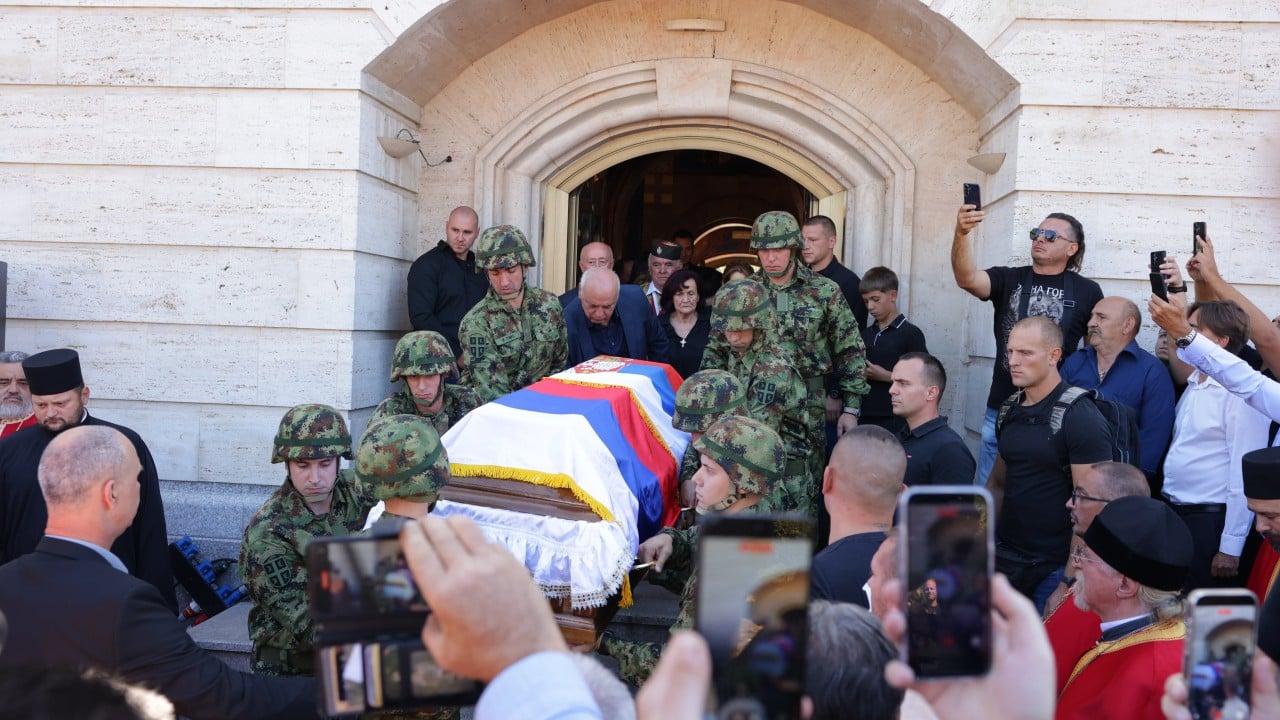
EU & Greenland Strengthen Arctic Ties Amid Rising U.S. Pressure provides a quick visual look at the Nuuk high-level meetings and the geopolitical context behind the recent European delegation visit.
http://googleusercontent.com/youtube_content/1