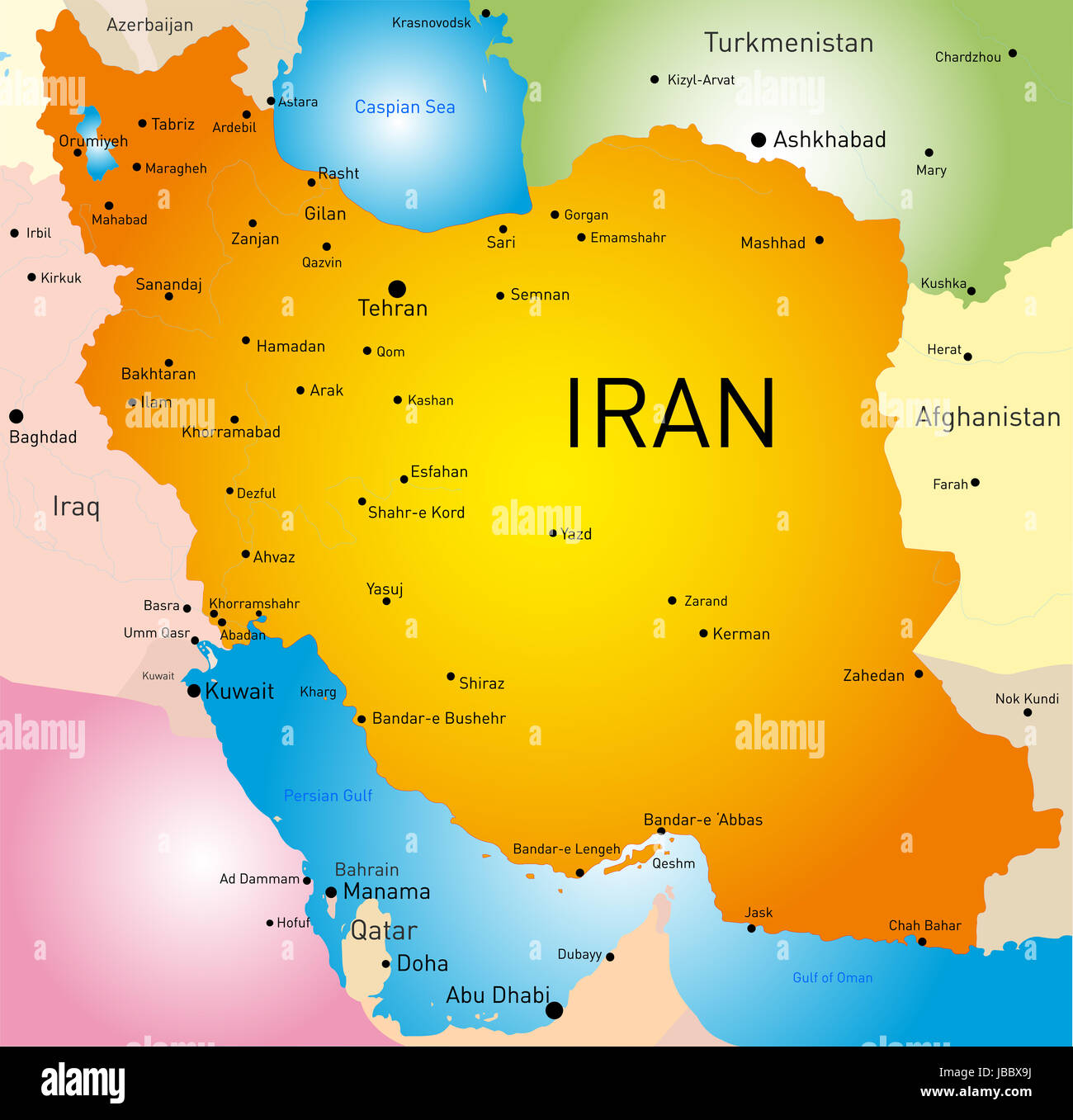
The ground in southwestern Yemen is shaking again, and the shockwaves are rippling straight into Tehran and Washington. When a conflict breaks out of its diplomatic cage, it rarely stays localized. Right now, fighting across fronts like Taiz, Sanaa, and Marib has intensified dramatically, with Yemeni government-aligned forces claiming hundreds of Houthi casualties in heavy airstrikes and artillery bombardments. At the same time, Iranian officials aren't blinking; Tehran insists it's fully prepared for renewed American strikes as maritime attacks near the Strait of Hormuz and oil facility strikes rattle global markets.
If you're wondering how a localized proxy conflict morphed into a multi-theater powder keg, you have to look past the surface headlines. Let's break down what's actually happening on the ground and why this phase feels entirely different.
The Ground War in Yemen Explodes Anterior to the Truce
The fragile understandings that held Yemen's frontlines relatively quiet since 2022 are completely dead. Yemeni military spokesmen, including Colonel Majed al-Nuzaili, reported over 257 distinct operations targeting Houthi command nodes, weapons depots, and supply routes across Taiz and surrounding areas.
Why now? Because the broader regional confrontation has provided both cover and necessity for renewed domestic offensives. The Houthis attempted to push hard to encircle Taiz City, trying to sever vital ground lines connecting the city to Aden. When those advances stalled, government and coalition-backed forces responded by hammering logistics networks and cutting off reinforcement lines.
It’s messy, brutal, and entirely predictable. When regional patrons feed a war machine, local actors seize the chaos to settle territorial scores.
Tehran Prepares for the Worst
While ground battles rage in the Arabian Peninsula, the mood in Iran is defiant. Senior officials in Tehran have made it clear they expect further military friction with the United States and its regional partners, signaling readiness to absorb and answer any escalation.
Following months of intense exchange—including US carrier strike group deployments like the USS Theodore Roosevelt and ongoing retaliatory operations—the strategic calculus in Tehran hasn't softened. Iranian strategy relies heavily on asymmetrical pressure points:
- Disrupting commercial shipping lanes and energy tankers near vital maritime bottlenecks.
- Maintaining dense rocket and drone capabilities across allied networks.
- Raising the political and economic costs for Gulf neighbors hosting foreign military assets.
When Tehran claims it is ready for US attacks, it isn't just blustering for domestic state television. It's an acknowledgment that deterrence has broken down into an ongoing war of attrition where neither side is willing to step back first.
The Economic Fallout Hitting the Gulf
You can't talk about this escalation without looking at the energy infrastructure targets. Recent strikes hitting oil facilities in places like Riyadh and Yanbu demonstrate that Houthi and aligned drone campaigns have a direct economic bullseye.
Energy markets hate uncertainty. Every time a tanker is struck near Oman or the Strait of Hormuz, insurance rates spike, shipping companies scramble to reroute, and global commodity traders panic. The objective of these persistent strikes is transparent: inflict maximum economic pain on Saudi Arabia and its allies to force a shift in regional alignment.
What Comes Next
Don't expect a sudden diplomatic breakthrough. Both Washington and Tehran are locked into postures that punish compromise. As Yemeni forces press their advantage on southern coastal plains and Iranian leadership braces for the next wave of Western military moves, the conflict is digging in for a long, grinding autumn.
Keep a close eye on maritime transit data through the Bab al-Mandab Strait and the Strait of Hormuz. That is where the pulse of this entire war beats fastest.