The fragile interim ceasefire in the Middle East has completely collapsed. Early Friday morning, the U.S. military concluded its sixth consecutive night of heavy airstrikes inside Iran, explicitly shifting its strategy toward destroying civil and transport infrastructure. White House officials hope this destruction will force Tehran to loosen its stranglehold on global shipping lanes. Instead, the conflict is rapidly spilling over to hit critical economic assets of regional mediators and energy suppliers.
If you think this is just another distant geopolitical skirmish, you’re looking at it wrong. Commercial vessel transits through the Strait of Hormuz have tanked to a three-week low, and global oil prices are already marching past $86 a barrel.
The Target Shift from Missile Silos to Supply Lines
For the first five nights of the campaign, U.S. Central Command concentrated its fire on conventional military targets like ballistic missile production plants and space centers near Tehran and Semnan province. Friday morning changed the playbook. American jets targeted critical transport infrastructure in the southern Hormozgan province, collapsing vital highway and railway bridges near the coastal city of Bandar Khamir.
The tactical logic is clear. By hitting these specific bridges, the U.S. wants to effectively choke off Bandar Abbas—Iran's primary commercial port—from the rest of the country's central mainland. It cuts off internal supply lines for military movement while applying direct pressure on the everyday goods reaching 90 million citizens.
Simultaneously, U.S. strikes completely leveled a major surveillance tower at Iran's Chabahar port on the Gulf of Oman. While the state-run IRNA news agency claims the tower merely managed civilian commercial traffic, Central Command confirmed it was a vital asset used by the Islamic Revolutionary Guard Corps to track, identify, and target international shipping vessels. Knocking it out severely degrades Iran's real-time coordination capability.
The human toll inside Iran is rising fast. Health Ministry spokesperson Hossein Kermanpour reported that the latest counts show at least 38 dead and over 400 wounded across the country since the offensive accelerated. Iran’s Energy Ministry also issued an urgent directive for citizens in southern provinces to slash electricity usage, openly acknowledging for the first time that American bombs have successfully crippled regional power grids during a period of extreme summer heat.
Retaliation Spills Into the Gulf
Tehran isn't backing down. They've expanded their target list to hit regional neighbors who try to mediate or host Western forces. On Friday morning, Qatar—which has been acting as a primary diplomatic bridge alongside Pakistan—was forced to activate air defense sirens twice, warning its population to take immediate shelter from incoming Iranian missile salvos. Debris from an intercepted projectile wounded a child in Doha.
Worse, Iranian operations hit closer to the commercial bone by targeting a critical water desalination plant in Kuwait. Kuwait and Bahrain, both major centers for U.S. naval operations in the Gulf, are finding themselves directly on the front line of an asymmetric missile war.
The Real Economic Math for the Rest of the World
When the war initially broke out on February 28, Iran’s immediate response was to shut down the Strait of Hormuz. About one-fifth of the world's daily petroleum supply flows through this tight bottleneck. It is the ultimate economic kill switch.
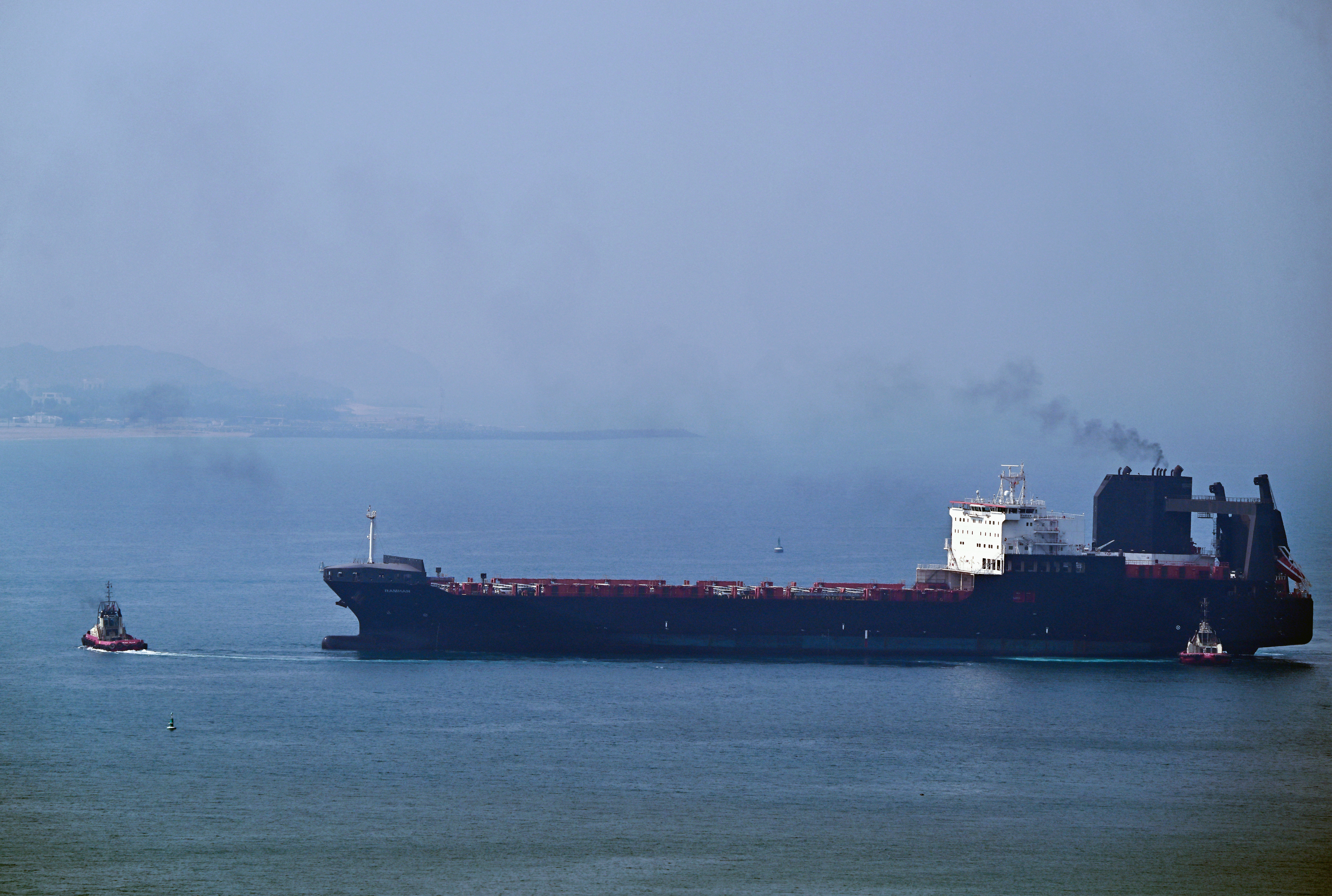
Data from MarineTraffic and Lloyd's List Intelligence shows that daily vessel crossings dropped to just eight ships on Thursday. Some bold captains are running the gauntlet with their transponders and location tracking turned off to avoid detection, but most commercial fleets are simply anchoring outside the danger zone and waiting. Regional oil pipelines exist, but they don't have anywhere near the capacity required to bypass the maritime block.
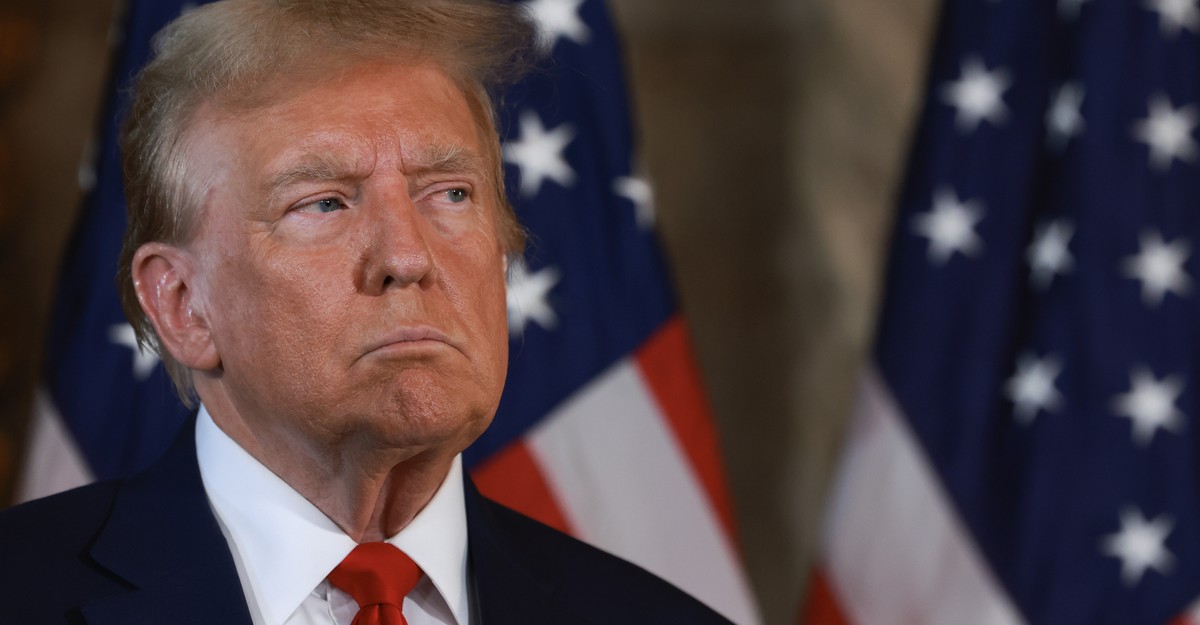
President Donald Trump insisted during a prime-time address that the U.S. is "winning big," but the political pressure is mounting. He campaigned heavily on ending forever wars in the Middle East, yet the U.S. military has now established its own strict naval blockade, redirecting commercial vessels and even disabling one non-compliant ship.
What You Should Keep an Eye On Next
The escalation directly impacts global supply chains, inflation, and energy stability.
Keep a close eye on retail fuel prices over the next 72 hours. If Brent crude breaks past the $90 threshold due to continued shipping freezes, consumer energy costs will spike rapidly.
Watch the diplomatic movements in Islamabad and Doha. If Pakistan and Qatar completely pull out of their mediation roles due to active targeting, the last formal channel for a ceasefire disappears, leaving a full-scale regional ground conflict as the only logical conclusion.