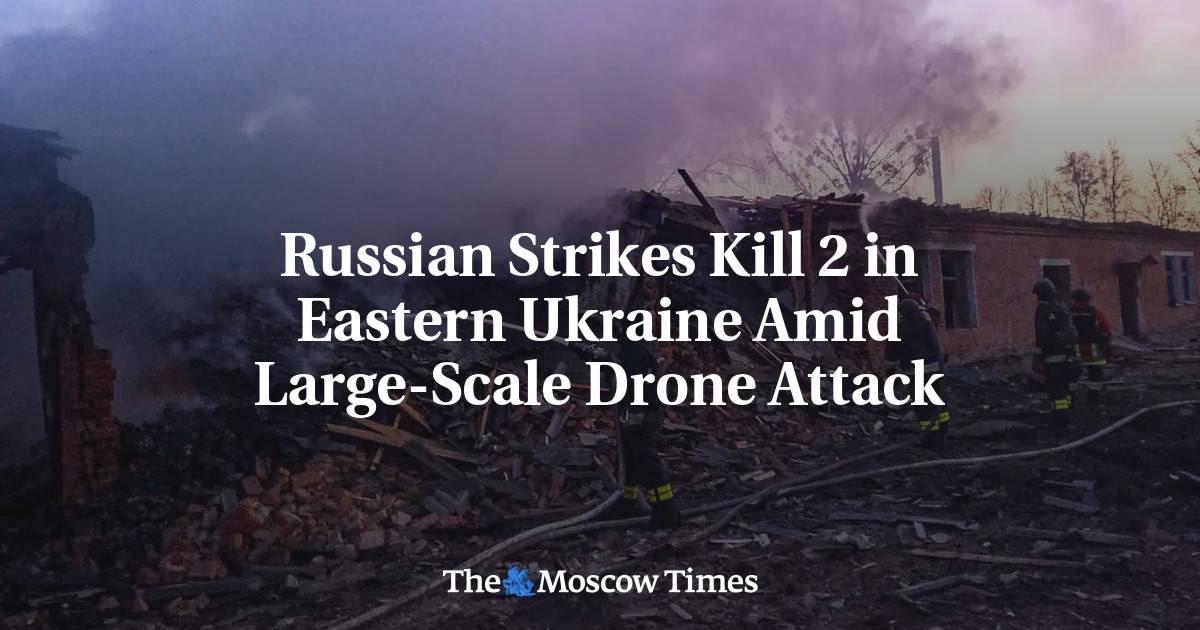
The recent surge in hostilities between Russia and Ukraine shows a brutal, unforgiving pattern. While headlines focus on the death toll in Kharkiv or the drone activity over Moscow, the reality on the ground is far more chaotic than a single day of reporting suggests. If you’re trying to make sense of why these cities are becoming primary targets again, it’s not just about military strategy. It’s about the grinding psychological and logistical attrition that defines the current phase of this conflict.
The Strategy Behind the Strikes
Why target a residential area in Kharkiv one day and a command or industrial hub in Moscow the next? It’s rarely random. Kharkiv sits perilously close to the Russian border, making it a constant target for artillery and missile systems that don't need deep penetration to hit their mark. Russia uses this proximity to create a buffer zone through destruction, effectively making parts of the region uninhabitable to complicate Ukrainian logistics. Recently making news in this space: Why The Strait Of Hormuz Is Becoming A Dead Zone For Global Shipping.
Conversely, Ukrainian drone strikes on Moscow serve a different purpose. They aren't meant to "conquer" the capital, but they do force the Russian military to rethink its air defense deployment. Every anti-aircraft system moved to protect the skies over the Kremlin or key infrastructure is a system not being used on the front lines in the Donbas. It's a game of resource management, played with high-explosive stakes.
The Human Reality of Attrition
When you hear about ten people killed in a strike, those numbers are people’s lives. It’s easy to look at a map and think about lines of control, but you have to look at the civilian infrastructure. Constant bombardment of energy and civilian zones isn't just about tactical gain. It’s about creating an atmosphere of permanent insecurity. Additional details regarding the matter are detailed by The Guardian.
People living in these areas don't have the luxury of thinking about geopolitical trends. They are living through power outages, the constant sound of alarms, and the uncertainty of whether their home will be standing tomorrow. This is the "grey zone" of the war where civilian life becomes the primary battlefield.
Misconceptions About Aerial Warfare
There is a common misunderstanding that air defenses are shields that stop everything. That’s not reality. Even the most advanced systems have saturation limits. If a barrage is large enough—or specifically designed to confuse radar—some percentage of projectiles will always get through.
Another point people often miss: drone technology has changed the speed of reaction. We're no longer talking about massive, expensive missiles that take hours to prepare. Small, cheap, and surprisingly effective drones are being mass-produced. This allows both sides to probe defenses at a fraction of the cost of traditional air warfare. It’s a low-cost, high-nuisance strategy that is proving incredibly difficult to neutralize completely.
The Future of the Conflict
The current tit-for-tat dynamic isn't likely to stop on its own. As long as one side feels it can gain an advantage by hitting the other's rear logistics, or by breaking their domestic morale, the strikes will continue. The real risk here isn't just the tactical escalation—it’s the normalization of these attacks. When you see daily reporting on strikes, it’s easy for the international community to tune it out. That is exactly what leaders on both sides are banking on.
If you are following these events, focus on the shifts in logistics rather than just the daily casualty counts. Look at where the supplies are moving. Pay attention to which energy nodes are being targeted. That’s where the actual "progress" of the war is being written, not in the press releases.
Don't expect a sudden resolution. This is a grind. It’s a series of brutal, calculated moves designed to force the other side into a bad decision. For the people on the ground in cities like Kharkiv, the best advice remains the same: stay aware, follow local civil defense instructions, and prioritize immediate safety over everything else. The political situation will continue to evolve, but the physical reality on the ground is the only thing that truly matters right now.