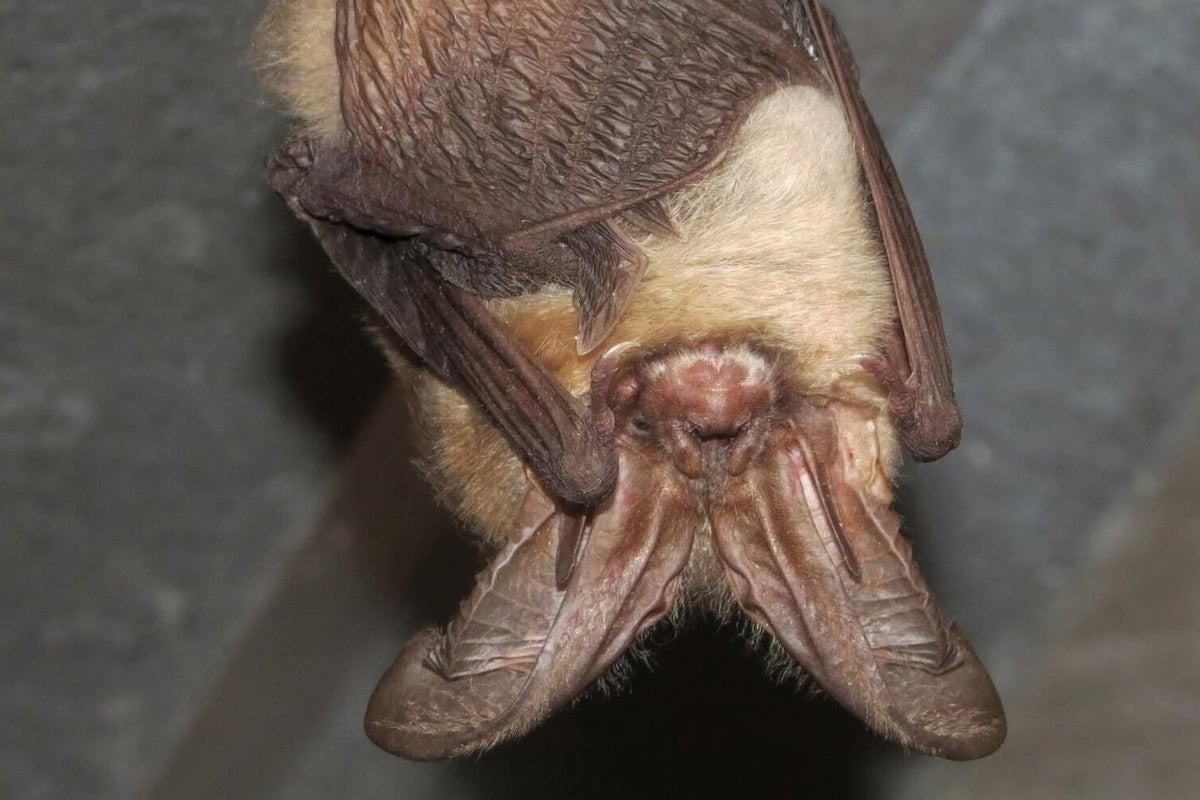
A peaceful afternoon hike at Olympic National Park turned terrifying when an aggressive, rabid bat swooped out of the daylight and tangled itself in a visitor's hair. National Park Service officials are scrambling to track down the unidentified woman and anyone else near the Staircase Bridge area on August 9.
If you visited this Washington wilderness recently, you need to know the facts about this biohazard. Rabies is 100 percent fatal once symptoms present. Yet, it is completely preventable if you catch it early.
Let's break down what actually happened, why bat encounters require immediate medical vigilance, and how to protect yourself on your next outdoor trip.
The Staircase Bridge Incident
On a Sunday afternoon around 2 p.m., park visitors near the popular Staircase Bridge got more wildlife interaction than anyone bargains for. A bat behaved entirely out of character. Instead of avoiding humans, it flew aggressively toward multiple people and struck a female visitor, getting stuck in her hair.
The animal was captured and subsequently tested positive for the rabies virus.
Park authorities face a major public safety puzzle. They still haven't identified the woman who had direct physical contact with the bat. Because the creature targeted multiple tourists, health agencies fear other unrecorded exposures occurred. Mason County Public Health urges anyone who was in that specific zone to come forward and evaluate their exposure risk immediately.
Why Bat Encounters Are Uniquely Dangerous
Most people assume they would instantly know if a wild animal bit them. With bats, that assumption can be fatal.
Bat teeth are microscopic. A bite or a scratch can easily happen without leaving a noticeable mark, a bruise, or even a drop of blood. Furthermore, bats are nocturnal mammals. Seeing one flying around aggressively in broad daylight is a massive red flag. Healthy bats hide during the day. An active daytime bat is often sick, disoriented, and desperate.
If a rabid bat brushes against your skin, saliva can transfer to minor cuts or mucous membranes. That is all the virus needs to enter your central nervous system.
What to Do If You Might Be Exposed
Time dictates survival when dealing with lyssaviruses. If you were anywhere near the Staircase Bridge section of Olympic National Park around August 9, take action now.
- Call local health authorities: If you live in the area, contact the Mason County Public Health Department at 360-427-9670, extension 405, to report your presence.
- Consult a doctor: Speak with a healthcare provider immediately. Do not wait for symptoms to appear.
- Check your pets: If you brought a dog or cat on the trail and suspect they interacted with wildlife, call your veterinarian right away.
Post-exposure prophylaxis—a series of quick injections—stops the virus dead in its tracks before it reaches the brain.
How to Handle Wildlife Safely
Wild creatures belong in the wild. When exploring national parks, keep basic boundaries intact. Never try to feed, touch, or move a wild animal, whether it looks alive or dead. If a creature approaches you without fear, do not pet it. Back away slowly and maintain a wide berth.
Report any erratic animal behavior to park rangers instantly. Your quick call could save another hiker's life.