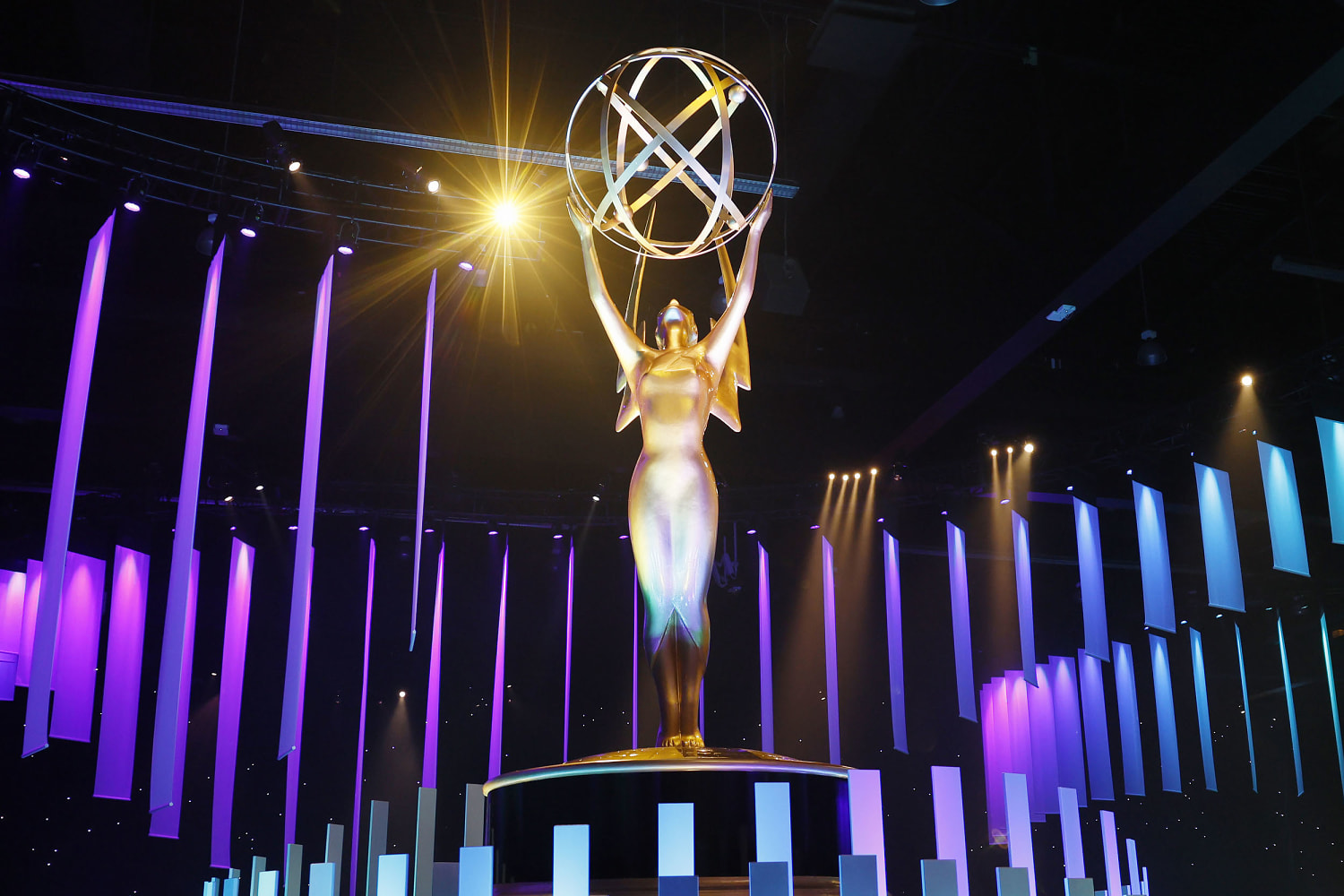
Traditional network television just lost its crown jewel. The Emmy Awards are officially abandoning the classic broadcast rotation, packing up after seven decades on network TV, and moving exclusively to Amazon's Prime Video starting in 2027.
If you grew up watching the ceremony jump annually between ABC, CBS, Fox, and NBC—the famous "Wheel Deal" arrangement that started back in 1955—this shift feels seismic. But honestly? It was completely inevitable. Broadcast television ratings have cratered for years while streaming services swallowed prestige television whole. Why should an award show celebrating streaming giants like Netflix, Max, and Prime Video itself air on linear channels that younger audiences stopped watching a decade ago?
Let's look at what this six-year deal actually means, why broadcast networks balked at keeping it, and how Hollywood is changing right before our eyes.
The Death of the Broadcast Wheel Deal
For nearly seventy years, the Primetime Emmy Awards rotated through the big four broadcast networks. It gave viewers a comforting rhythm. One year you watched on CBS with a traditional host, the next year on NBC, and so on.
That system is dead. The Television Academy struck a landmark six-year agreement with Amazon that hands Prime Video the exclusive global rights to the ceremony through 2032.
Behind closed doors, the writing has been on the wall. Traditional broadcast networks actually looked into keeping the rights, according to reports from the Wall Street Journal, but they wanted to pay less than the previous arrangement. Linear networks are bleeding ad revenue as cord-cutting accelerates. They couldn't justify paying top dollar for an aging live event format where the audience skews older every single year.
Streaming platforms don't play by the same economic rules. For Amazon, funding a global broadcast isn't just about selling 30-second commercial spots during the telecast. It is about ecosystem lock-in, global marketing, and brand prestige.
The Free Streaming Catch
Here is the twist that caught a lot of people off guard. You won't actually need an Amazon Prime subscription to watch the Emmys when the new deal kicks off in September 2027.
Amazon plans to stream the ceremony for free across more than 240 countries and territories on Prime Video.
Why give it away? Because user acquisition is everything. If millions of non-subscribers log into Prime Video to watch Hollywood stars hand out gold statuettes, Amazon gets a massive influx of casual users, email sign-ups, and captive eyeballs for its user interface. It is a brilliant funnel strategy. You come for the red carpet, and you stay because the platform makes it effortless to rent a movie or sign up for a trial of a secondary channel.
This move also beats other major award shows to the punch. While the Oscars have a future home lined up on YouTube starting in 2029, the Emmys are officially the first major entertainment award ceremony to make a permanent, exclusive leap to a tech giant's streaming infrastructure.
What This Means for the Future of TV
When you look at who wins Emmys today, the broadcast networks are barely an afterthought. The heavy hitters are streaming services and cable networks that morphed into streamers. Having a show that streams exclusively on a platform like Apple TV+ or Netflix win big, only to have the acceptance speeches air on network television, always felt like a weird corporate disconnect.
Now, the ceremony lives where the content lives.
Cris Abrego, chairman of the Television Academy, pointed out that continuity was a major driving factor. Rotating through four different networks meant the production team basically started from scratch every single year, reinventing the wheel with new network executives, distinct broadcast standards, and shifting promotional priorities. With a single partner locked in for six years, the Academy can finally build a cohesive, year-round cultural celebration instead of treating the September broadcast as a standalone blip.
Of course, questions remain. We still do not know where ancillary events like the Creative Arts Emmys will land, and industry insiders are already debating whether a tech titan like Amazon will enforce tighter creative boundaries or loosen them up.
One thing is certain. The era of appointment television on linear networks is officially wrapping up. If you want to see who wins television's highest honors in 2027, you are going to be opening an app.
Mark your calendar, update your bookmarks, and get used to the new normal. The television business has permanently turned the page.