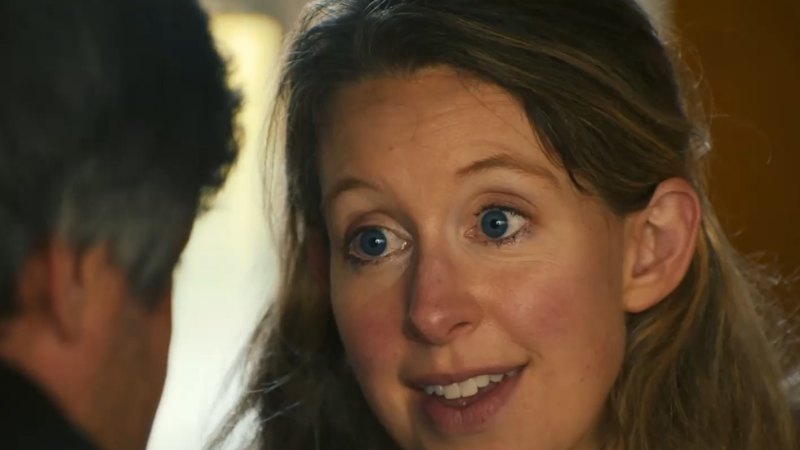
When the cameras stop rolling and the courtroom doors slam shut, white-collar criminals usually slink into obscurity. Not Elizabeth Holmes. In a piece of footage surfacing just before her surrender to federal custody, the disgraced Theranos founder offered a stark reminder of how detached high-stakes fraudsters remain even at the edge of accountability.
If you've followed the collapse of Silicon Valley's most notorious blood-testing startup, you know the broad strokes. Holmes was convicted on four counts of fraud and conspiracy, receiving an 11-year sentence. But that newly public footage exposes something far more disturbing than a simple courtroom defeat. It reveals a psychological defense mechanism that lets bad actors convince themselves they are the victims. Recently making waves lately: Why The Us Military Is Sinking Ecuadorian Ships In The Pacific.
The Psychology Behind the Final Pitch
Why do fraudsters keep performing right up until the moment they lose their freedom?
Narcissism plays a massive role. When you spend years building an alternate reality—pitching investors, grifting high-profile board members like Henry Kissinger and George Shultz, and lying to patients—you internalize the script. Holmes didn't just sell a fake machine called the Edison; she sold a narrative of changing healthcare forever. More details on this are explored by NBC News.
When reality finally catches up, the brain protects itself. Instead of remorse, you see defiance or a chilling calm. They treat prison not as retribution for destroying lives, but as a temporary speedbump in an otherwise visionary life.
What the Public Misunderstands About White Collar Sentences
People often ask why financial criminals get off so lightly compared to violent offenders, or why they seem unfazed by impending confinement. The reality is brutal.
- Minimum security camps don't look like maximum security penitentiaries.
- Legal appeals drag out for years, funding endless defense strategies.
- Social networks among elite circles often insulate perpetrators from genuine social ostracization.
Holmes served her time at FPC Bryan in Texas, a facility known for its lack of barbed wire fences and relatively lax environment. That soft landing is precisely why pre-prison bravado exists. They know the system treats corporate deceit differently than street crime.
Spotting the Warning Signs Early
You don't need to be a federal investigator to spot a con artist. The playbook hasn't changed in a century.
First, look for the messiah complex. Fraudsters love framing their product or service as a humanitarian crusade. If anyone questions the science or the financials, they get labeled as enemies of progress.
Second, pay attention to the opacity. Real innovation welcomes scrutiny because transparency builds trust. Fraud relies on smoke, mirrors, and NDAs.
Finally, watch how they handle pressure. When corners are cut and questions mount, genuine leaders fix the problem. Con artists double down, launch PR campaigns, and shift the blame to whistleblowers.
Moving Past the Spectacle
Obsessing over documentary trailers and eerie pre-prison soundbites misses the broader lesson. The legal system caught up to Theranos, but hundreds of smaller schemes operate unchecked right now.
Protect yourself by demanding hard metrics instead of charismatic storytelling. If a pitch relies entirely on the founder's personality rather than verifiable data, walk away immediately.