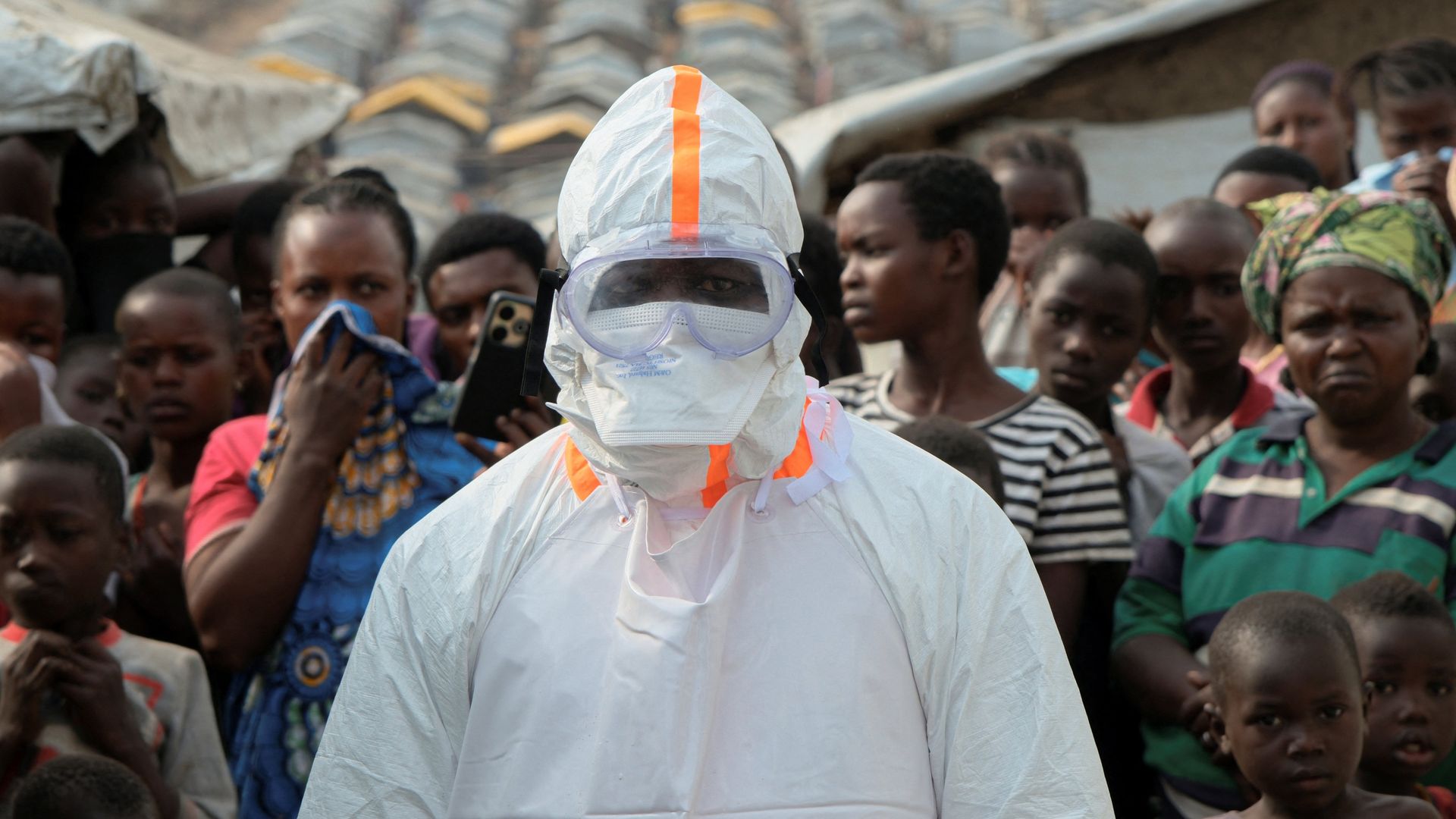
The situation inside the Kigonze displacement camp in Bunia is terrifying. Since the start of May 2026, at least 30 people have died in just this single camp in the northeastern Democratic Republic of Congo. Some of those deaths are already confirmed cases of Ebola. It is a clear, horrifying warning sign. The virus is moving fast, and it is finding the perfect targets in overcrowded tents where thousands of people are just trying to survive day-to-day conflict.
This isn't a typical health crisis that can be managed with standard containment measures. It's a perfect storm of war, massive budget cuts, and deep-seated community fear. If you want to understand why the current Ebola outbreak in DR Congo is spiraling out of control, you have to look past the official numbers and look at the actual breakdown of trust on the ground.
Why the Kigonze Camp is the Perfect Incubator
Kigonze camp holds roughly 30,000 internally displaced citizens. They live packed together in makeshift shelters with miserable sanitation. There is little clean water. Soap is a luxury. When a highly infectious virus enters an environment like that, containment becomes nearly impossible.
The spike in deaths since May highlights a massive systemic failure. The regional health network was already broken before the virus arrived. People are dying in their tents without ever seeing a doctor. When someone gets sick with a fever or starts vomiting, their family has few choices. They can't practice isolation in a tiny shelter shared by eight people. They can't easily wash their hands when water requires a long trek across a dangerous camp.
The sheer speed of the spread has caught health workers off guard. Olivier le Polain from the World Health Organization pointed out that new cases are popping up in different health zones every single day. The population here is incredibly mobile. People flee rebel attacks, move to find food, or try to reconnect with lost family members. That movement carries the virus along with them across provincial lines.
The Untamed Danger of the Bundibugyo Strain
Most people remember the massive Ebola outbreaks that hit West Africa or even the previous ones in North Kivu. Those were mostly caused by the Zaire strain of the virus. For that strain, we have highly effective tools. We have the Ervebo vaccine. We have proven monoclonal antibody treatments like Inmazeb and Ebanga. They save lives.
This time is completely different. The current epidemic involves the Bundibugyo species of Ebola.
Right now, there is no licensed vaccine for this specific strain. There is no approved targeted therapy. The tools that public health agencies relied on to halt past outbreaks simply do not exist for this version of the disease. If you get infected, your survival depends entirely on supportive care. That means aggressive rehydration, balancing electrolytes, and managing secondary infections.
But you can't get aggressive rehydration when you are hiding in a plastic tarp tent, terrified that armed rebels or medical teams are going to drag you away.
The World Health Organization recently released updated clinical guidelines for filovirus management, trying to standardize how doctors handle Bundibugyo cases without a vaccine. But guidelines on a piece of paper don't mean anything when a clinic lacks basic intravenous fluids. The Africa CDC is working with global partners to get experimental vaccine candidates ready for clinical trials, but officials admit that a usable vaccine won't be ready until the end of the year at the earliest. We are in June. That leaves six months of unchecked transmission in some of the densest settlements on earth.
Fear and the Silent Refusal of Medical Testing
The official numbers look bad, but the reality is much worse. The World Health Organization and the US Centers for Disease Control recently adjusted the official case counts to several hundred confirmed cases, but everyone on the ground knows those numbers are a fraction of the truth.
Why is the data so unreliable? Because people are refusing to be tested.
Up until very recently, residents and grieving relatives in the Kigonze camp flatly refused to let medical teams test anyone for Ebola. When someone dies of a massive headache, high fever, and vomiting, the family covers it up. They bury their dead in secret, following traditional customs that involve touching and washing the body. This direct contact with the bodily fluids of a deceased victim is exactly how Ebola explodes through a household.
You can't just blame the residents for being stubborn. This resistance comes from a long history of trauma and exploitation. When a foreign medical team rolls into a camp wearing full protective gear, looking like astronauts, it creates instant panic. Rumors spread fast. People believe that entering an isolation center is a death sentence, or that the doctors are the ones introducing the illness.
A bereaved father in Bunia explained that people hide their symptoms because they don't want to die alone in a plastic tent, separated from their children. If the community views health workers as an occupying force rather than a source of help, containment is dead on arrival.
How War and Donor Cuts Blinded the Response
This outbreak did not happen in a vacuum. Eastern DR Congo has been trapped in brutal violence for decades. Despite a peace agreement signed in June 2025 between the DRC and Rwanda, fighting has actually intensified. The Rwanda-backed M23 rebel group controls massive parts of North and South Kivu, right next to Ituri province where the camp is located. Over 2,100 people have been killed in clashes since that peace deal was signed, forcing hundreds of thousands more to flee.
When people are running for their lives from gunfire, they aren't thinking about quarantine. Armed conflict makes tracking the virus impossible. Health workers can't safely enter rebel-held territories to track down contacts. If a person was exposed to Ebola in a village and then flees into the jungle to escape a rebel raid, they become a ghost to the surveillance system until they show up dying in a place like Bunia.
To make matters worse, international donors chose the worst possible moment to cut funding. In early 2025, major foreign aid programs, particularly from USAID, significantly cut their financial support for health surveillance and outbreak readiness in eastern Congo. The funding for local health tracking networks in Ituri ended entirely in March 2025.
Think about that timeline. The funding was pulled, the surveillance networks broke down, and the blind spots grew. By the time the outbreak was officially declared in May, the virus had already been circulating undetected for weeks, maybe months. Weakened health infrastructure left these communities completely defenseless. Nearly 70% of health facilities in parts of North Kivu were already non-functional due to looting, lack of staff, and zero medicine supplies. The system was hollowed out before the first drop of blood was drawn.
What Happens When Children Start Getting Sick
Up to this point, the majority of documented cases have occurred among socially and economically active adults. These are the people going to markets, trading goods across borders, and working in local mines. But the dynamics are shifting. As household transmission takes over inside overcrowded tents, the virus is moving toward children.
Douglas Noble from UNICEF expressed severe concern about how this will impact kids in the camps. During previous Ebola epidemics, children made up a massive percentage of the victims. The symptoms in young kids are notoriously difficult to isolate early on. A child with Ebola often looks exactly like a child with malaria, typhoid, or cholera—all of which are already rampant in Kigonze.
When a parent assumes their toddler just has a standard bout of diarrhea or a normal childhood fever, they treat them without protective gear. They wipe away tears, clean up vomit, and hold them close. By the time the parent realizes it is Ebola, the entire family has been exposed.
Concrete Steps to Stop a Regional Disaster
We can't rely on a miracle cure or an instant vaccine delivery to save Bunia. The response needs an aggressive change in strategy. If the current trajectory continues, the virus will break out of the displacement camps and cross deep into neighboring countries. Uganda has already reported cases and tried closing its border, but formal border closures just force desperate people to use informal jungle paths, making them impossible to track.
Instead of top-down mandates, the response must prioritize immediate, practical interventions on the ground.
Rebuild Community Trust Through Local Leaders
Health agencies need to stop leading with heavily armed security and sterile isolation mandates. They must work directly with camp elders, religious leaders, and local civil society groups. These are the only people the residents trust. Local leaders should be provided with the training and materials to explain testing, clear up rumors, and supervise safe, dignified burials that respect cultural traditions without risking transmission.
Flood the Camps with Basic Hygiene Materials
You can't tell people to wash their hands if they don't have soap. International agencies need to pivot their remaining budgets to flood Kigonze and surrounding camps with massive quantities of clean water, chlorinated handwashing stations, and personal hygiene kits. Making sanitation easy and accessible decreases the viral load in the environment and gives families a tool to protect themselves.
Implement Immediate Clinical Trials for Therapeutics
Since standard vaccines don't work against the Bundibugyo strain, the WHO and Africa CDC must fast-track the deployment of experimental therapeutics and candidate vaccines directly to the frontlines under compassionate use protocols. Every single day of bureaucratic delay means more deaths.
Secure Humanitarian Corridors
World leaders must put direct diplomatic pressure on both the Congolese government and rebel factions to establish immediate, verified humanitarian ceasefires around epidemic zones. Health workers need unconditional, safe access to track contacts and deliver medical supplies without fear of ambush or kidnapping.
The tragedy unfolding in the Kigonze camp isn't just a failure of medicine. It is a failure of global priority. We watched the warning signs build up throughout 2025, watched the funding dry up, and ignored the conflict. Now the cost is being paid in human lives in Bunia. The outbreak won't stop until the response adapts to the brutal realities of life inside the camps.