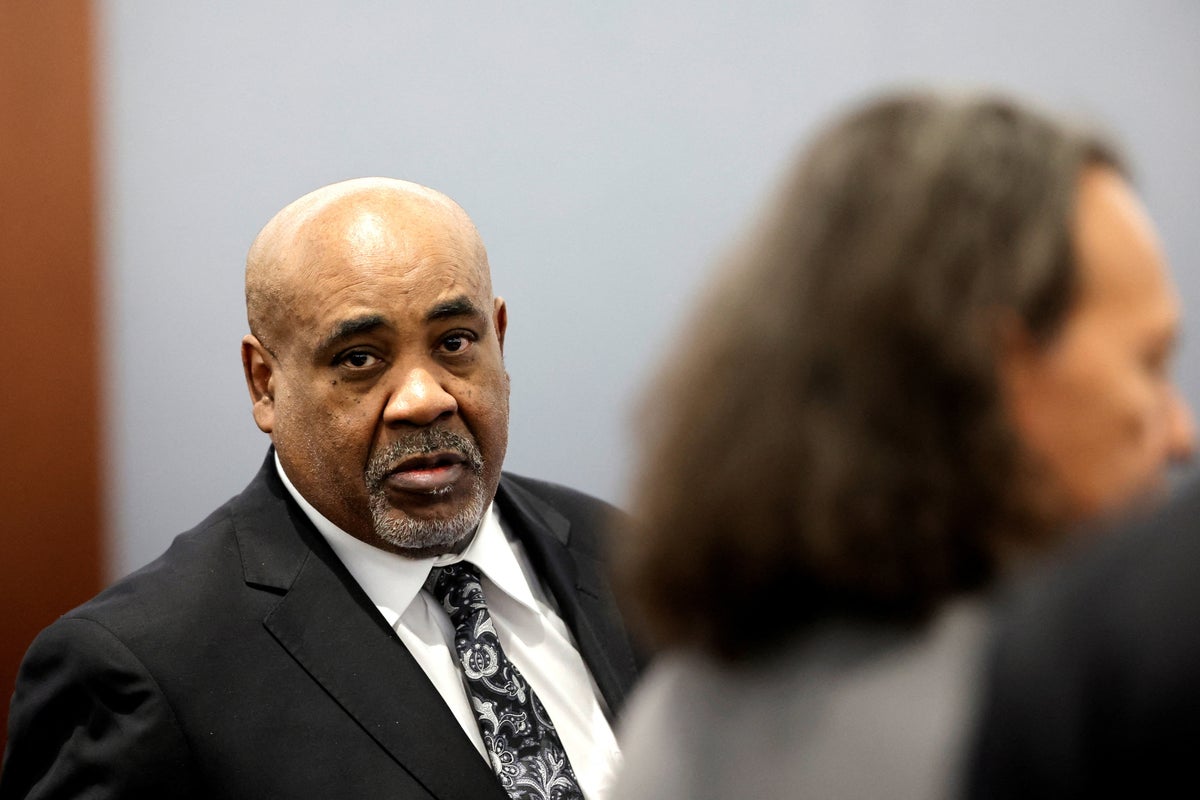
The mystery surrounding the 1996 killing of Tupac Shakur has haunted hip-hop for three decades. For years, theories swirled. People blamed rivals, record label executives, and even shadowy underworld figures. But the truth, as it often does, eventually crawled out from the darkness. It came straight from the mouth of the man now sitting in a Las Vegas courtroom.
Duane “Keffe D” Davis is on trial for his life. Jurors just heard a recording from 2008 where Davis flatly told detectives that his nephew, Orlando “Baby Lane” Anderson, pulled the trigger. This wasn't a rumor. It was an admission recorded long before he faced these specific murder charges. If you’ve been tracking this case, you know the gravity of this moment. It shreds the veil of secrecy that protected one of the biggest unsolved crimes in music history.
The evidence that changed everything
For years, Keffe D operated under the assumption that he was untouchable. He talked on podcasts. He wrote a memoir titled Compton Street Legend. He practically invited the scrutiny he now complains about. Prosecutors are betting the house on his own words. They’ve moved past the hearsay and gossip, centering the case on his admissions to law enforcement and his own public boasting.
During the 2008 interview, detectives brought Davis in to talk about the death of the Notorious B.I.G. He thought he was playing the game. He thought he was secure. He detailed that night in Las Vegas—the white Cadillac, the positioning, the weapons. He even explained why he didn’t shoot. He claimed he passed his firearm to his associate, Deandre “Big Dre” Smith, because the angle wasn't right. When Smith refused, Anderson took the weapon and opened fire.
Why the legal defense is struggling
Davis has pleaded not guilty. His legal team is working overtime to frame his previous statements as fiction. They argue he was a professional liar, spinning tall tales for clout or immunity. It's a bold strategy. If you claim your client is a chronic liar who tells stories for attention, you have to reconcile that with the mounting corroborating evidence.
The defense argues that authorities knew he was full of it back then. They point to the fact that he was questioned as part of an investigation into another murder entirely. But prosecutors have a counter-argument that holds a lot of weight. They argue that when Davis started shopping his story to the public—talking in interviews and publishing a book—he voided any protection he might have claimed from those earlier, confidential conversations.
Basically, he couldn't keep his mouth shut.
The reality of gang retaliation
To understand why this happened, you have to look at the atmosphere in Las Vegas that night in 1996. It wasn't some grand, complex conspiracy involving international moguls. It was visceral, petty, and fast. The prosecution’s theory is simple: revenge.
Hours before the shooting, Tupac’s entourage had beaten up Orlando Anderson at the MGM Grand after a Mike Tyson fight. Davis was there, but he wasn't part of that brawl. He saw the aftermath. He saw the pride hurt. The killing was a reaction, a drive-by hit meant to settle the score for the disrespect shown to his nephew.
This is the grim reality of street violence. It doesn't always have a mastermind behind it. Often, it's just angry men with guns in a car, reacting to a slight. It’s ugly. It’s senseless. But that’s exactly why it lasted thirty years—because it was grounded in a lifestyle that values silence above everything else.
Moving beyond the myths
You’ll hear people still clinging to the old stories. They’ll tell you it was about East Coast vs. West Coast rap battles. They’ll mention names like Suge Knight or Sean Combs, speculating about elaborate plots. But looking at the evidence surfacing in court, those theories feel increasingly hollow.
The trial is stripping away the myth of the legendary hip-hop assassination. It’s replacing it with something much more mundane and brutal. It’s a story about a guy who bragged about a murder, thought he was clever enough to talk his way out of it, and finally realized that the law has a long memory.
If you’re waiting for a smoking gun that links to some massive industry conspiracy, you’re looking at the wrong place. The real story is the man in the witness box. He’s the one who held the key. He’s the one who spoke when he should have stayed quiet. And now, he’s the one who has to answer for it.
The trial continues. Every new piece of testimony further closes the chapter on one of the most debated events in modern culture. We’re watching the final, messy end of a long-standing mystery. Pay attention to the transcripts, not the headlines. The truth is right there in the words he gave them years ago.