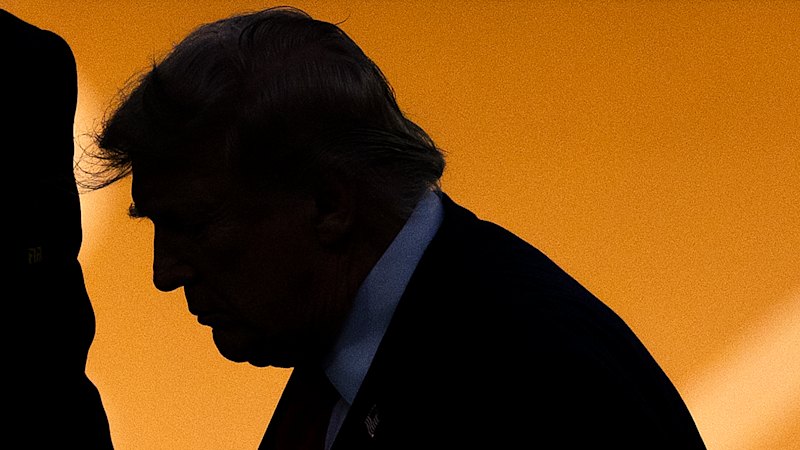
Right now, Donald Trump looks completely invincible.
He holds the White House, commands loyalty across Capitol Hill, and wields executive power with an intensity Washington hasn't seen in decades. Trade tariffs fly out by executive decree. Cabinet officials march in lockstep. Opponents in his own party have either retired or fallen in line.
It feels like total dominance. But looks are deceiving.
When a president reaches the absolute summit of political authority, the fall usually comes fast. History shows us that peak power in Washington is never a permanent state. It's a high-water mark right before the political tide rolls back out.
With the 2026 midterm elections fast approaching, the very mechanisms driving his current strength are quietly setting up his biggest vulnerabilities.
The Myth of Permanent Executive Dominance
Presidents always mistake maximum leverage for permanent control.
When you command the executive branch without legislative pushback, you start believing the rules of gravity don't apply to you. But American politics runs on pendulum swings. Executive overreach doesn't eliminate resistance—it just builds up pressure behind a dam until the dam breaks.
Take a look at the trade policy fight happening today. Blanket tariff threats against long-time economic partners like Canada and key European nations have given the administration immense diplomatic press coverage. Supporters call it decisive strength. Yet inside the domestic market, small businesses, agricultural exporters, and retail supply chains are feeling the squeeze.
Prices rise. Margins shrink. Consumers notice.
When economic friction hits home, political goodwill evaporates quickly. You can command executive agencies with a stroke of a pen, but you can't order inflation to stop or force foreign markets to buy American grain when retaliatory duties kick in.
Why Midterm Math Always Favors the Opposition
The calendar is every second-term administration's worst enemy.
Midterm elections are rarely a stamp of approval on the incumbent president. They're almost always an outlet for public frustration. Out-of-power voters show up angry, energized, and ready to cast a protest vote. In-power voters get complacent, distracted, or dissatisfied that every campaign promise didn't magically turn into reality.
Historical numbers tell a clear story:
- In 2010, Democrats lost 63 House seats during Obama's first term after pushing massive legislative overhauls.
- In 2018, Republicans lost 40 House seats under Trump's first administration as suburban voters flipped.
- In 1986, Ronald Reagan saw his party lose six Senate seats despite enjoying high personal approval ratings.
The math for Republicans in late 2026 looks uncomfortably tight. Holding a slim majority in the House while defending vulnerable Senate seats leaves zero room for error. If swing voters decide they want a check on executive power, the congressional majority dissolves overnight.
Once a president loses Congress, the political reality changes completely. The era of swift executive actions gives way to endless subpoena requests, budget standoffs, and high-profile committee hearings.
The Friction Inside His Own Coalition
Unified party control is rarely as solid as it looks from the outside.
Right now, congressional Republicans walk a narrow line. Supporting the administration keeps primary challengers away, but pushing extreme policies alienates moderate suburban voters needed to win general elections. That balancing act gets harder every single week as November approaches.
We're already seeing subtle cracks in the coalition:
- Moderate lawmakers worry about backlash against aggressive deportation mandates in swing districts.
- Fiscal conservatives quietly wince at rising budget deficits and national debt projections.
- Agriculture-state senators face furious calls from farmers hit by foreign tariff retaliations.
When a president commands absolute authority, he takes 100 percent of the credit for successes. But he also inherits 100 percent of the blame when things go wrong. party members will stay quiet while ratings remain high. The second those poll numbers dip in key swing districts, loyalty turns into self-preservation.
Members of Congress always care more about their own reelection than protecting the White House's political agenda.
Public Fatigue and the Attention Economy
Political energy is a finite resource. You can't keep voters operating at maximum emotional intensity forever without causing burnout.
For nearly a decade, Donald Trump has dominated every news cycle, talk show, and social media feed in the country. That high-octane style works brilliantly for mobilization during presidential campaign years. But during a governance period, constant drama wears people down.
Swing voters—the suburban parents, independent workers, and pragmatic centrists who actually decide elections—tend to crave predictability after periods of friction. When every week brings a new standoff, tariff threat, or high-profile firing, political exhaustion sets in.
Opponents don't even need to offer a bold alternative vision to win over exhausted voters. They just need to promise quiet stability. That dynamic cleared the way for opposition gains in previous midterm cycles, and it's quietly building up again right now.
Institutional Pushback Is Building Behind the Scenes
While headlines focus on everyday political fights, institutional pushback moves slowly beneath the surface.
Courts move at their own deliberate pace. Lower federal judges continue issuing injunctions against contested executive orders. State attorneys general across the country are pooling resources, filing coordinated lawsuits, and delaying key policy implementations until case files reach the Supreme Court.
At the same time, career officials across administrative agencies are playing a waiting game. They've seen administrations come and go. When political directives clash with long-standing regulatory norms or statutory limits, bureaucracy slows down. Policies get bogged down in procedural reviews, environmental impact assessments, and rule-making delays.
Power looks peak when directives are announced at press conferences. Power looks very different six months later when those same directives are bogged down in federal appellate courts.
Practical Steps for Reading the Political Direction Ahead
Don't judge political strength by social media trends or high-visibility rallies. Look at the structural signals that actually predict midterm shifts.
If you want to track where political momentum is actually heading over the next few months, watch these specific indicators:
- Special Election Margins: Keep a close eye on state legislative and congressional special election results. Don't just look at who wins—compare the final vote percentages to baseline party performance from previous cycles. Shifts of five to seven points toward the opposition party signal broader national trouble.
- Suburban Polling Trends: Focus heavily on suburban districts in states like Pennsylvania, Michigan, Georgia, and Arizona. If independent voters in those areas sour on the economic direction, congressional majorities are in serious danger.
- Primary Turnout Differences: Watch opposition party primary turnout numbers compared to incumbent party numbers. High opposition turnout signals strong voter motivation that usually translates directly into high general election participation.
- Local Agricultural and Retail Sentiment: Track business confidence reports from domestic manufacturing hubs and farming communities. Economic distress in those sectors usually hits Washington policy decisions within weeks.
Peak power is always fleeting in American politics. The real story isn't how bright the political spotlight shines today—it's how quickly the ground underneath is shifting before voters head to the polls.