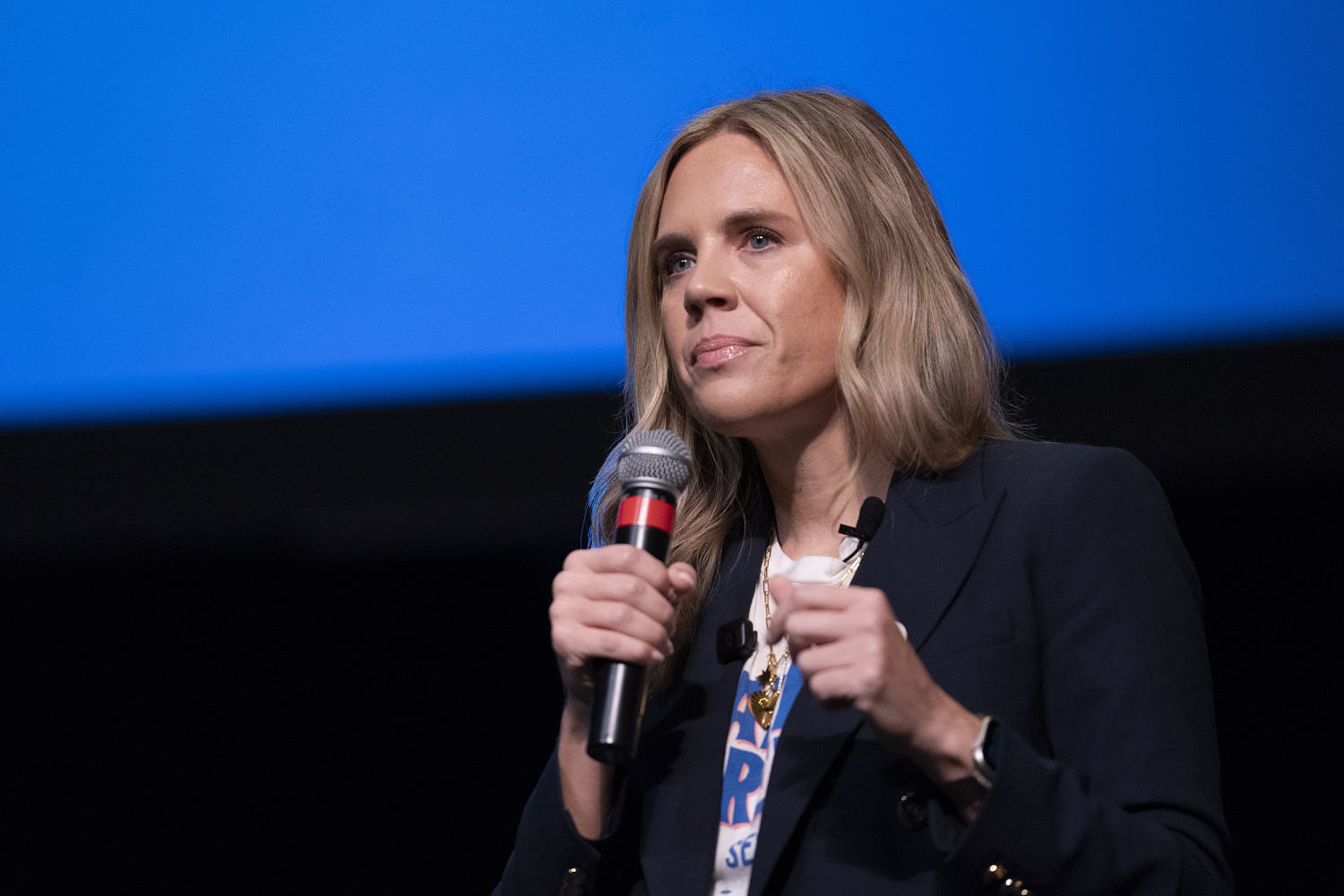
Donald Trump just brought a gutter-fighting playbook to the South Carolina Senate race.
In a social media post aimed at boosting his preferred candidate, Republican incumbent Darline Graham, the former president deployed an anti-transgender slur against Democratic challenger Dr. Annie Andrews. Trump used the offensive moniker multiple times while attacking Andrews’s platform, signaling that the GOP views a pediatrician running in a deeply red state as a genuine threat.
You can look away from the insults. But you shouldn't ignore what this attack tells us about the current state of the race.
The Stakes in South Carolina Are Real
South Carolina hasn't sent a Democrat to the United States Senate since 1998. For decades, the seat has functioned as a safe harbor for the Republican establishment.
Yet the 20th-century rules of Southern politics are cracking. Recent polling has shown a much tighter contest than traditional party guards care to admit. When a national political figure like Trump resorts to juvenile, targeted name-calling against a local candidate, it exposes panic. It means internal polling numbers are ringing alarm bells in Washington.
Dr. Annie Andrews isn't a career politician. She spent nearly twenty years treating children in Charleston exam rooms for asthma, fevers, and broken bones. When a doctor who treats sick kids starts pulling close in a solid-red state, establishment panic follows a predictable arc.
Why the Slur Was Deployed
Trump's attack wasn't random noise. It was a calculated attempt to box Andrews into a nationalized culture war.
In his online post, Trump attempted to paint Andrews with a broad, inflammatory brush, claiming she supports extreme policies on social issues and border security. The use of the slur was designed to dominate news cycles, mobilize conservative base voters, and force the Democratic campaign onto the defensive.
Politics has always been brutal. But leaning into explicit slurs marks a deliberate escalation. It moves past standard policy disagreements straight into targeted harassment.
Yet, treating voters like they only care about mudslinging carries risks. Many South Carolinians are tired of the noise. They want to talk about grocery bills, infrastructure, and healthcare access.
How Dr. Andrews and Voters Are Responding
Instead of folding under the pressure of a presidential smear campaign, Andrews has leaned into her background as a community pediatrician and an outsider. Her strategy focuses heavily on local engagement, contrasting her medical career with Washington gridlock.
Voters on the ground are noticing the shift. While South Carolina remains an uphill battle for any Democrat, the tightening margins indicate that a segment of the electorate is open to change. When campaigns move past party labels and focus on local credibility, old certainties start to crumble.
Watch the ad spending over the next few weeks. Watch how the candidates handle town halls. The name-calling will get louder before it gets quieter.
Look past the noise. Pay attention to the votes.