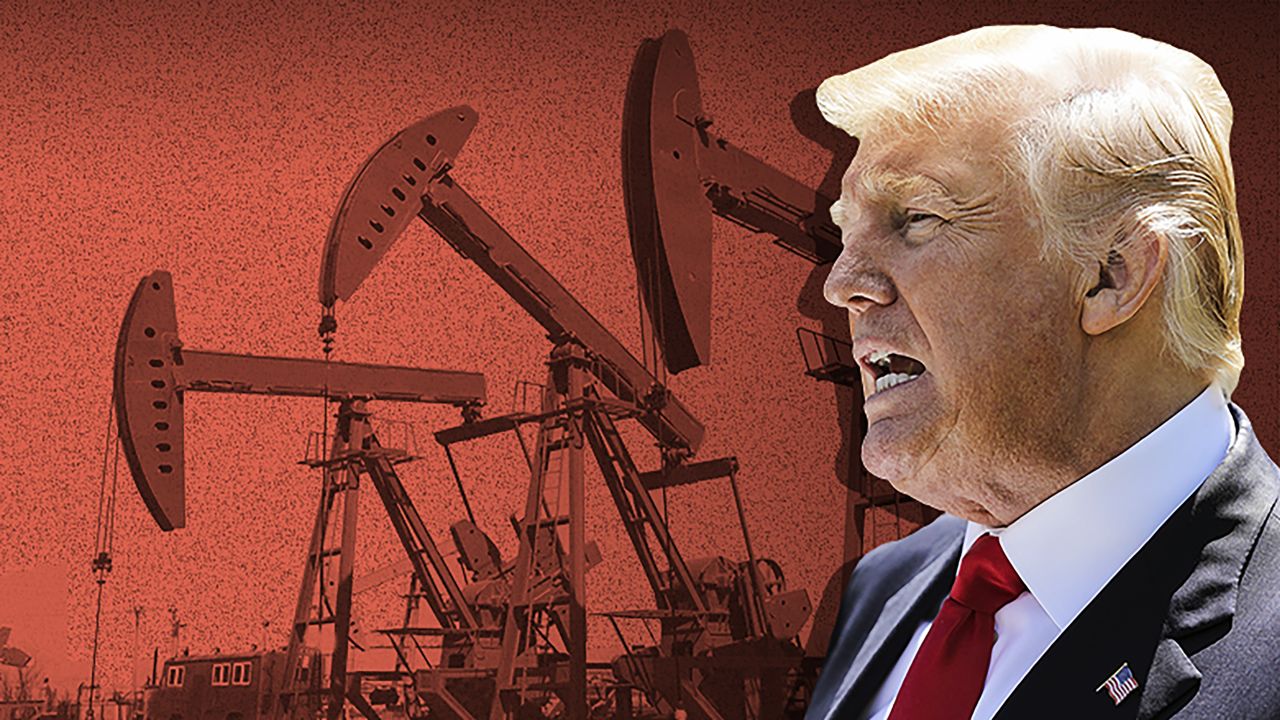
Donald Trump just dropped a massive policy bomb on global energy markets. He announced what he calls the biggest oil deal in world history, securing majority control over more than 65 billion barrels of proven crude oil reserves in Venezuela. If you think this is just another political headline that won't affect your daily life, look closer at your local gas pump and global energy stocks.
This historic transaction comes straight on the heels of intense geopolitical shifts, including the controversial capture of Nicolas Maduro and ongoing pressure from energy strains tied to the conflict in Iran. Trump claims the move will more than double total American oil reserves at zero cost to taxpayers, driving down domestic gasoline prices long-term. But let's look past the political rhetoric and break down what is actually happening behind the scenes.
The Reality Behind the 65 Billion Barrel Claim
Venezuela sits on roughly 303 billion barrels of crude. That accounts for about 17 percent of the entire world's supply. Yet, decades of economic mismanagement, international sanctions, and crumbling infrastructure have left the nation producing a tiny fraction of its actual capacity.
Enter the new agreement brokered by Secretary of State Marco Rubio, Secretary of War Pete Hegseth, and interim Venezuelan leader Delcy Rodriguez.
By partnering with private businesses to establish majority US control over 65 billion barrels of those reserves, Washington is rewriting the rules of Latin American resource management. Critics argue it smells like neo-colonial extraction. Supporters call it a pragmatic masterstroke to secure domestic energy independence when the Strategic Petroleum Reserve has plummeted below 300 million barrels.
You're looking at a desperate scramble for barrels. With domestic supplies squeezed and the ongoing war in Iran pushing markets to the brink, the administration needed a massive injection of supply. Venezuela became the target.
What This Means for Domestic Gas Prices
Everyone wants to know when prices at the pump will actually drop. Trump insists this deal will slash gasoline costs significantly for ordinary Americans.
Here is the cold, hard truth: moving oil from political speeches to actual refinery output takes years, not weeks. Venezuela's oil infrastructure is a rusted nightmare. Decades of neglect mean you can't just flip a switch and pump millions of barrels overnight. Billions in capital expenditure and extensive technical overhauls are required before those heavy crude reserves can hit American refineries in meaningful volumes.
Refineries along the US Gulf Coast are uniquely built to handle heavy Venezuelan crude, which gives this agreement a technical logic. Chevron has already been operating under limited licenses there, but scaling up to majority control is an entirely different beast.
Navigating the Geopolitical Fallout
Foreign policy wonks are losing their minds over this announcement. Ousting Maduro was step one. Securing the oil fields is step two. But what about the regional blowback? Latin American neighbors and international trade watchdogs are watching closely to see how long this arrangement holds up under local resistance and international legal scrutiny.
If you are tracking energy investments or trying to figure out where your utility and fuel costs are heading over the next few years, stop listening to the daily noise of campaign speeches. Watch the capital expenditure reports of major energy firms and monitor actual export volumes coming out of Venezuelan ports.
Keep your portfolio diversified, prepare for continued volatility in fossil fuel markets, and don't expect cheap gas tomorrow just because a massive headline dropped today. Real energy independence takes heavy lifting, deep capital, and years of logistical execution.