You pack a bag. You flee north. Then, months later, you look at a pile of concrete that used to be your living room and you decide to stay anyway. That is the reality for thousands of families caught in the crosshairs of the Israel Lebanon conflict.
The international press loves to talk about ceasefire deals and diplomatic pacts from a bird's-eye view. But on the ground, recovery looks messy, slow, and intensely stubborn. If you want to understand why human beings refuse to abandon their ancestral soil even when it has been flattened, you have to look past the political headlines and look at what life actually feels like right now in southern Lebanon.
The Cycle of Leaving and Returning
Nobody escapes a war zone unscathed. Since the major escalation that kicked off in March 2026, over a million people have been tossed into displacement. For many, this isn't even their first time running. Families who spent late 2024 trying to patch up bullet-riddled walls and plant new olive saplings found themselves fleeing all over again when new evacuation orders dropped.
It creates a punishing psychological loop. You return because you want normalcy. You unpack half your boxes because a tiny part of you knows the quiet won't last.
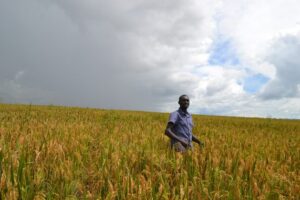
"We never fully unpacked," said Nabil, a farmer from the outskirts of Bint Jbeil who tried moving back before the latest wave of fighting. That single quote captures the existential dread of living on a border that refuses to stay stable. People keep emergency bags packed right by the front door. Passports, cash, and children's medicine stay within arm's reach.
What the Stats Miss About Civilian Cost
Numbers on a screen lose their punch after a while. Human rights bodies and UN monitors report that casualties have climbed into the thousands since March, with entire districts turned into restricted access zones. Whole villages in the south remain completely cut off.
Yet, the moment a fragile diplomatic opening appears—such as the regional shifts involving U.S. and Iranian talks earlier in the summer—people start driving south before the dust even settles. They find streets blocked by unexploded ordnance. They find storefronts burned to shells.
Take Samih Haidar, a resident who returned to Tyre to check on his property. His front door was bolted shut with wooden boards by strangers who had sought shelter inside. When he finally pried his way in, he found shattered glass and a gutted kitchen. Did he pack up and head back to safety immediately? He stayed to clear the rubble. That impulse defies cold geopolitical logic, but it makes complete sense if you understand how deep roots run in this region.
The Agony of Agricultural Livelihoods
You can't pack up an olive grove and take it north. For rural communities across southern Lebanon, displacement isn't just about losing a roof over your head. It is the destruction of an entire economy.
Farmers face an impossible dilemma. Planting season doesn't wait for peace treaties. If you don't work the land, you lose your harvest. But if you invest weeks of labor into a tobacco field or an orchard, you risk losing everything the moment artillery starts firing again.
Aid convoys organized by groups like the Order of Malta try to bridge the gap by delivering livestock feed and basic supplies to isolated enclaves like Ain Ebel. These Christian border villages escaped the worst of the physical leveling seen in Shiite-majority towns, but they face a different kind of slow starvation—cut off by military checkpoints and plagued by infrastructural isolation.
Why the Hope to Rebuild Persists
People aren't returning because they think the danger has magically vanished. They return because living in a crowded northern school shelter or an overpriced Beirut apartment has its own psychological breaking point. Dignity matters. Owning your space, even if the windows are blown out and the water system is broken, beats permanent transience.
The international community keeps talking about humanitarian aid packages and long-term reconstruction plans. Those dollars are necessary, sure. But bricks and mortar don't fix the exhaustion of a population that feels trapped in a biannual cycle of destruction.
When you talk to locals, you realize their persistence isn't born of naive optimism. It is a calculated refusal to let displacement become permanent dispossession. They know the risks. They keep the car fueled. They keep the documents in the bag. And still, they clear the stones from the doorway, step inside, and start stacking the bricks back up.