You think you are keeping your dog safe by hitting the wilderness. You pack the long leash, the collapsible water bowl, and head up a iconic peak like Ben Nevis. The air is crisp. The views are massive. What could possibly go wrong?
A lot, as it turns out. Also making news lately: Why Charlotte Rampling Chooses Autista For Her Jackets And What It Means For Quiet Style.
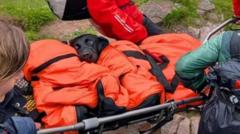
Christina Bluhme, a professional dog trainer from Surrey, found out the hard way last weekend while hiking Scotland's tallest peak with her black Labrador, Tokyo. Halfway up the 4,413-foot mountain, Tokyo suddenly collapsed. She lost total control of her legs. Then she started drifting in and out of consciousness.
Imagine being miles from civilization on a steep rocky trail with a 25kg dog who is completely unresponsive. You can't carry her down alone. Panic sets in. More details on this are covered by Vogue.
It took 14 volunteer rescuers from the Lochaber Mountain Rescue Team to haul Tokyo down the mountain on a stretcher. The diagnosis from the local veterinary team at Crown Vets? Cannabis poisoning. Tokyo had eaten discarded drugs left behind by hikers on the mountain trail.
Thankfully, Tokyo made a full recovery the following day after intensive emergency care. But this isn't an isolated, quirky news story. It's a growing, terrifying reality for dog owners who think remote nature trails are clean and safe.
The Biological Reality Of Dogs And Cannabis
Most people don't realize how brutally toxic cannabis is to dogs. If a human eats a stray edible or swallows some flower, they might get uncomfortable or sleepy. For a dog, it's an absolute medical emergency.
Dogs possess significantly more cannabinoid receptors in their brains than humans do. This makes them incredibly sensitive to tetrahydrocannabinol (THC), the psychoactive compound in cannabis. What looks like a tiny, discarded crumb of a joint or an edible wrapper to a hiker can completely overwhelm a dog’s central nervous system.
The symptoms hit fast, usually within 30 to 90 minutes of ingestion. You'll notice:
- A sudden loss of balance or extreme staggering
- Glassy, widely dilated eyes
- Dribbling urine uncontrollably
- Slower heart rates and dangerous drops in body temperature
- Complete loss of consciousness or seizures in severe cases
Because Tokyo is a fit, active working dog, her collapse was a massive red flag. She went from trekking up a mountain to looking like she was dying in a matter of minutes. Her owner honestly thought she was going to lose her.
Nature Trails Aren't As Pristine As You Think
We like to think of places like the Scottish Highlands or national parks as untouched sanctuaries. They aren't. As outdoor recreation booms, human trash follows.
Hikers are dropping everything from chocolate and raisin snacks—both highly toxic to dogs—to discarded recreational drugs and human waste containing drug residues. A similar incident occurred in Somerset where multiple dogs became paralyzed after consuming human waste that contained high levels of cannabis on a nature reserve trail.
If your dog is a typical Labrador like Tokyo, they explore the world with their mouth. They find a discarded item long before you see it.
What To Do If Your Dog Collapses On A Hike
If you're miles out on a trail and your dog displays neurological symptoms, you need to act immediately. Do not wait to see if they "walk it off."
1. Assess the Environment and Symptoms
Check the immediate area for wrappers, discarded food, or human waste. Look at your dog's eyes. If they are glassy, dilated, and the dog is stumbling or leaking urine, assume toxicity.
2. Protect Their Temperature
Cannabis toxicity often causes a dog's body temperature to plummet. If they're immobile on a cold mountain trail, wrap them in your extra layers or an emergency space blanket immediately.
3. Contact Emergency Services Early
Don't wait until you're completely exhausted trying to carry a heavy dog. If you are in a mountainous or remote region, contact local mountain rescue or emergency park rangers. Provide your exact coordinates using an app like What3Words.
4. Head Straight to a Vet
Time matters. The veterinary team will need to stabilize your dog's heart rate, provide intravenous fluids, and monitor their vitals until the toxins clear their system.
Practical Steps For Safer Hiking
You don't need to stop hiking with your dog, but you do need to change how you do it.
First, master a rock-solid "leave it" command. If your dog doesn't instantly drop food on command, they shouldn't be off-lead in high-traffic hiking areas.
Second, carry a basic canine first-aid kit that includes an emergency sling or a lightweight rescue harness. If your dog is too heavy to carry in your arms, a rescue sling allows two people to share the weight or lets you backpack them out safely.
Finally, pay attention to the trail, not just the view. Watch what your dog is sniffing in the brush. The most beautiful outdoor places are still vulnerable to human carelessness. Keeping your eyes on your dog is the only way to prevent a scenic hike from turning into a full-scale mountain rescue evacuation.