We all love a good story about beating the system. It is human nature to brag a little when you talk your way out of a tight spot. But when you are a high-profile NFL reporter, those little embellishments can come back to bite you in the worst way.
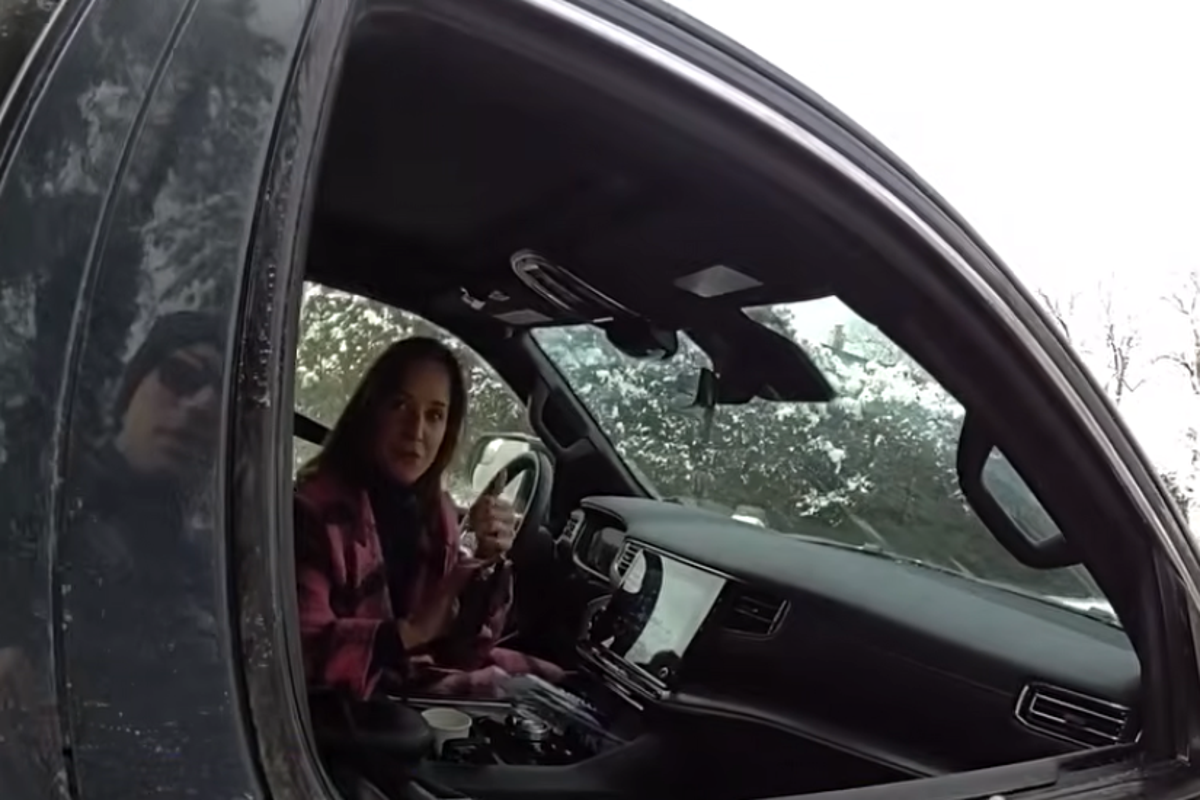
Former NFL insider Dianna Russini found this out the hard way. Newly released police bodycam footage shows exactly how she avoided a ticket during a January traffic stop in Ridgewood, New Jersey. It turns out the reality of the situation is drastically different from the flashy story she spun on a sports podcast just a month later.
This isn't just about a driver trying to dodge a fine. It shines a glaring spotlight on the murky ethics of modern sports journalism. It shows how the thirst for access can turn professional relationships into transactional tools.
The Tale She Told vs The Cold Hard Truth
Back in February, Russini appeared on the Stugotz and Company radio show during Super Bowl week. She entertained the hosts with a wild story. She claimed she got pulled over for texting and driving while trying to break the news that the Buffalo Bills had fired head coach Sean McDermott.
According to her podcast version, the cop wasn't a Bills fan. So, she allegedly asked him who his favorite team was. When he named a team, she claimed she immediately FaceTimed that team's head coach right from her car. She told the audience that the unnamed coach answered from his office and told the officer to let her go. It was a great piece of audio. The hosts laughed. The internet clipped it. It seemed like the ultimate power move.
But it didn't happen that way. Not even close.
Investigative reporter Adam Herbets from The Center Square obtained the actual seven-minute bodycam footage from the Ridgewood Police Department. The video tells a completely different story. There was no dramatic FaceTime call. There was no coach pleading for her freedom from a screen.
Instead, the footage shows Russini trapped in a clear lie. When the officer informed her he caught her using her phone, she immediately went into reporter mode. She explained she was sending a tweet about McDermott. She insisted it was a work emergency. When the officer mentioned his favorite team was the Minnesota Vikings, Russini didn't make a call. She simply unlocked her phone and showed the officer her private text messages with Vikings head coach Kevin O'Connell.
"Look what I said to him, though, just now," Russini says in the video, holding her screen up to the cop. "Go to the bottom."
The officer looked at the private texts and gasped. "Oh my god. Wow. Pretty cool!"
The name-dropping worked perfectly. The officer walked back to his cruiser and returned with a verbal warning instead of a hefty ticket. He told her he understood her job required her to be on the phone. He let her drive away.
Trading Access for Favors Is a Bad Look
Journalism has rules. They aren't always written down in a book, but they form the foundation of public trust. One of the absolute biggest rules is that you don't use your confidential sources as currency to solve your personal problems.
Showing a police officer your private text threads with an NFL head coach to get out of a texting-and-driving ticket is a massive breach of that trust. Think about it from the coach's perspective. Kevin O'Connell texts an insider because he trusts her to handle information professionally. He doesn't expect his private chats to be used as a get-out-of-jail-free card on a New Jersey highway.
This incident shows how deeply compromised the insider industry has become. The line between being a reporter and being a celebrity influencer has vanished. Insiders used to be invisible. They worked the phones in the dark. Now, they are the main characters of the sports world. They brag about their connections. They turn their rolodexes into status symbols.
When you start viewing your sources as shields against local traffic laws, you've lost the plot. It makes the entire profession look compromised. It reinforces the idea that powerful people operate under a completely different set of rules than the rest of us.
The Rapid Fall of a Sports Media Star
This bodycam leak doesn't exist in a vacuum. It comes at the worst possible time for Russini. Her career has been in a tailspin for months.
She resigned from her prominent role at The Athletic back in April. That sudden exit followed a massive wave of scrutiny. Tabloid photos emerged showing her holding hands and hugging former New England Patriots coach Mike Vrabel at a resort in Sedona, Arizona. Both Russini and Vrabel were married to other people. The photos sparked an intense internal investigation by The New York Times, which owns The Athletic.
Russini claimed the photos were platonic and taken out of context. She said she was part of a larger group. But the damage was done. She stepped down before her contract officially expired in June, citing a desire to avoid a public media circus.
Now we see this bodycam footage. It adds another layer of chaos to her professional reputation. The New York Times previously called her podcast claims about FaceTiming a coach "unacceptable conduct." Now we know she didn't even do that. She did something that many journalists consider even worse. She exposed her source's direct communication to an outsider for personal gain.
What This Means for the Future of Sports Reporting
This entire mess leaves a bad taste in everyone's mouth. It changes how fans look at the news they consume. When you see an insider break a story, you have to wonder what else is happening behind the scenes. What favors are being traded? Who is protecting whom?
The Ridgewood Police Department defended the officer's actions. They stated that officers have professional discretion to issue warnings. That might be true. But it's hard to ignore the reality. If an average citizen showed a cop a text from their plumber, they'd get a ticket. Name-dropping an NFL coach shouldn't change the law.
If you want to build real trust in your own work or understand how media literacy works today, you need to look past the glamour of breaking news. Real reporting takes grit. It requires boundaries.
Next time you hear a media personality tell a wild story on a podcast, remember to take it with a grain of salt. Entertainment is fine. Embellishment is common. But the truth usually finds a way out, often through a lens attached to a police uniform.
Pay attention to how sources are treated in the media you consume. Demand better standards from the people who supply your news. The era of the untouchable insider might finally be coming to an end. This is a good thing for the industry. Transparency wins in the end. Always.