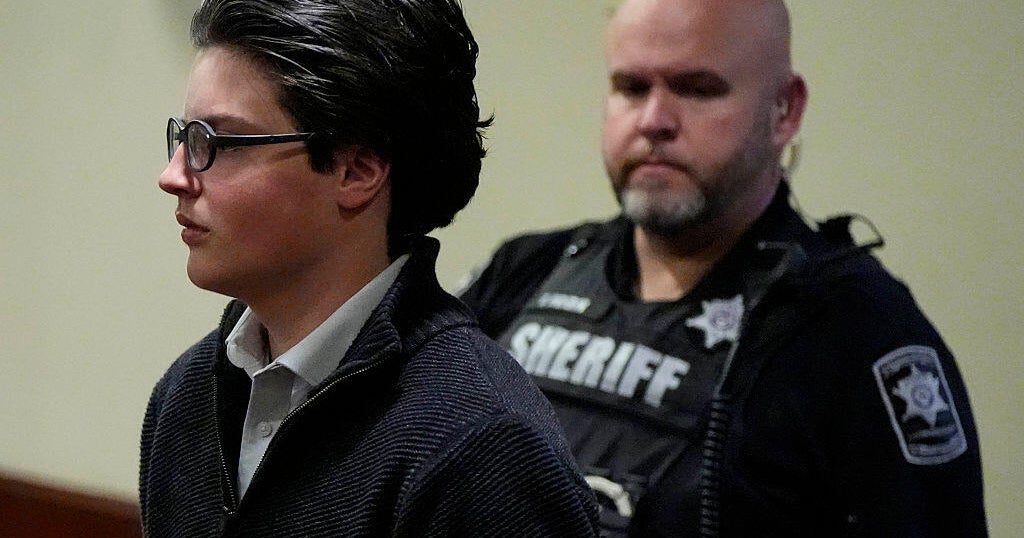
Ratko Mladic died behind bars at age 84. He never saw home again. Serbia's political leadership responded with fierce anger, while victims across the border found a bitter sense of closure.
The death of the former Bosnian Serb military commander at a United Nations detention facility in The Hague sparked immediate geopolitical fallout. Serbian President Aleksandar Vucic didn't hold back. He labeled the U.N. court's refusal to grant Mladic an early release on medical grounds as uncivilized and cruel. Vucic argued that international judges deliberately kept the ailing warlord locked away just to watch him expire in a cell.
International courts operate on strict legal and humanitarian boundaries. But justice in the Balkans has always been a raw, contested nerve.
Why the U.N. Court Denied Early Release
Just days before his death, judges rejected Mladic's final bid for freedom. His defense team repeatedly pointed to his deteriorating physical health and advanced age. They wanted him sent home to die.
Judge Graciela Gatti Santana, president of the International Residual Mechanism for Criminal Tribunals, drew a hard line. The court maintained that Mladic received comprehensive medical care inside the Dutch facility. They also pointed to an open visitation schedule that allowed his family constant access. Compassion had its limits, according to the tribunal, especially given the gravity of his convictions.
Mladic had been in custody since 2011 after years on the run. In 2017, a tribunal sentenced him to life imprisonment for genocide, crimes against humanity, and violations of the laws or customs of war.
The Chasm Between Grief and Glory
You cannot understand the modern Balkans without recognizing how completely fractured historical memory remains.
In towns like Kalinovik, Mladic's birthplace, local supporters lit candles and held public vigils. To many Bosnian Serbs, he remains a defender rather than a butcher. They dismiss the mountain of evidence, testimony, and video records as anti-Serb propaganda.
Step across an invisible administrative line, and the emotional reality flips completely.
For survivors of the 1995 Srebrenica massacre, where over 8,000 Muslim men and boys were systematically executed, Mladic's death inside a prison cell represents the bare minimum of accountability. Fazila Efendic, who lost close family members during the genocide, made it clear that knowing he served his sentence until his final breath matters immensely to the families left behind.
The 1990s wars tore apart the former Yugoslavia, leaving over 100,000 dead and a million displaced. Decades later, physical wounds healed, but political narratives calcified.
What Happens Next to His Legacy
Belgrade officials face a delicate balancing act regarding his final resting place. Vucic noted that Mladic's family will ultimately decide where he gets buried. If they choose Serbian soil, the state promised a dignified process, though rumors of a full state funeral immediately triggered regional alarms and diplomatic pushback.
Meanwhile, the U.N. court launched a formal inquiry into the precise cause of death. Dutch authorities stated they would bypass a criminal investigation and skip an autopsy, leaving the tribunal's internal review as the primary record of his final hours.
Mladic is gone, but the ghost of the 1990s conflict continues to haunt every political speech, election cycle, and memorial across the region.