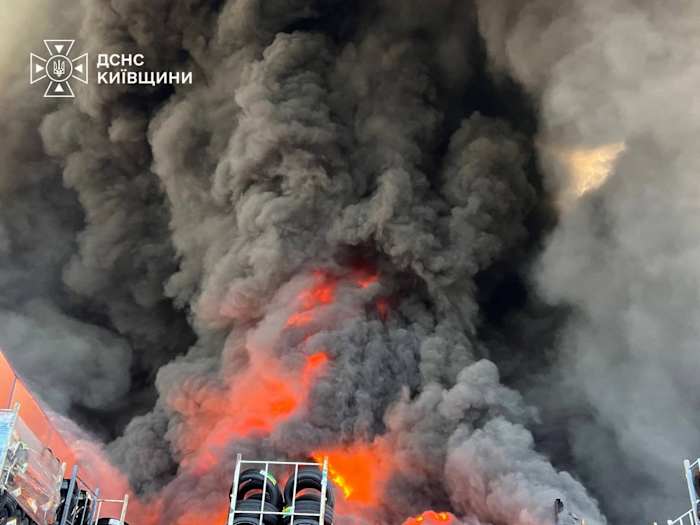
Thirty-seven people are dead. A quiet village west of Kyiv turned into an inferno overnight, marking the deadliest single attack in Ukraine this year. But the missile that hit the warehouse in Myla wasn't just a grim reminder of external aggression. It exposed a dangerous internal failure that Ukrainian leadership is now scrambling to address.
When a Russian drone slammed into the Bucha district facility late Friday night, it didn't just cause localized damage. It hit a stockpile of shells, mines, and defense equipment that should never have been stored near a residential population. The subsequent explosions and fires tore through at least 50 residential buildings and a care home for elderly and disabled residents.
Most people look at these headlines and see only a brutal strike by Moscow's forces. They miss the domestic accountability crisis bubbling right beneath the surface. Ukrainian President Volodymyr Zelenskyy didn't mince words, calling the disaster a consequence of severe negligence. When military storage sites sit dangerously close to civilian hubs, tragedy follows.
This isn't an isolated incident. Back in July, a similar strike in Vyshneve killed 22 people under nearly identical circumstances. Prime Minister Serhii Koretskyi called the repetition of these mistakes criminal. When safety protocols are ignored, civilians pay the ultimate price.
The Threat of Jet-Powered Drones
Beyond the storage controversy, the tactical reality of the war is shifting. Moscow is leaning harder into jet-powered drones. These systems fly faster, hit harder, and stretch Ukraine's air defense capabilities to their absolute breaking point.
Pavlo Palisa, deputy head of Ukraine's presidential office, admitted openly that defensive tech is struggling to keep pace. Interceptor drones currently deployed haven't delivered the expected results against these faster threats. Ukraine has to adapt quickly, but adaptation takes time they barely have.
Meanwhile, Kyiv is pushing back with its own strategy. Officials have set a clear target: scaling up domestic long-range drone production to hit 1,000 launches every day. Striking Russian energy infrastructure and military manufacturing sites is the primary tool left to dry up Moscow's war chest.
What Comes Next
You can't separate the physical reconstruction from the accountability measures now sweeping through Kyiv's administrative offices. Criminal investigations are underway to find out who signed off on keeping ammunition depots near civilian populations.
If you're following this conflict closely, look past the basic casualty numbers. The real test for Ukraine right now isn't just surviving the incoming barrage of Russian munitions. It's fixing internal vulnerabilities before the next tragic mistake happens. Criminal negligence during wartime destroys trust from the inside out, and fixing that requires immediate, transparent enforcement of military safety laws.