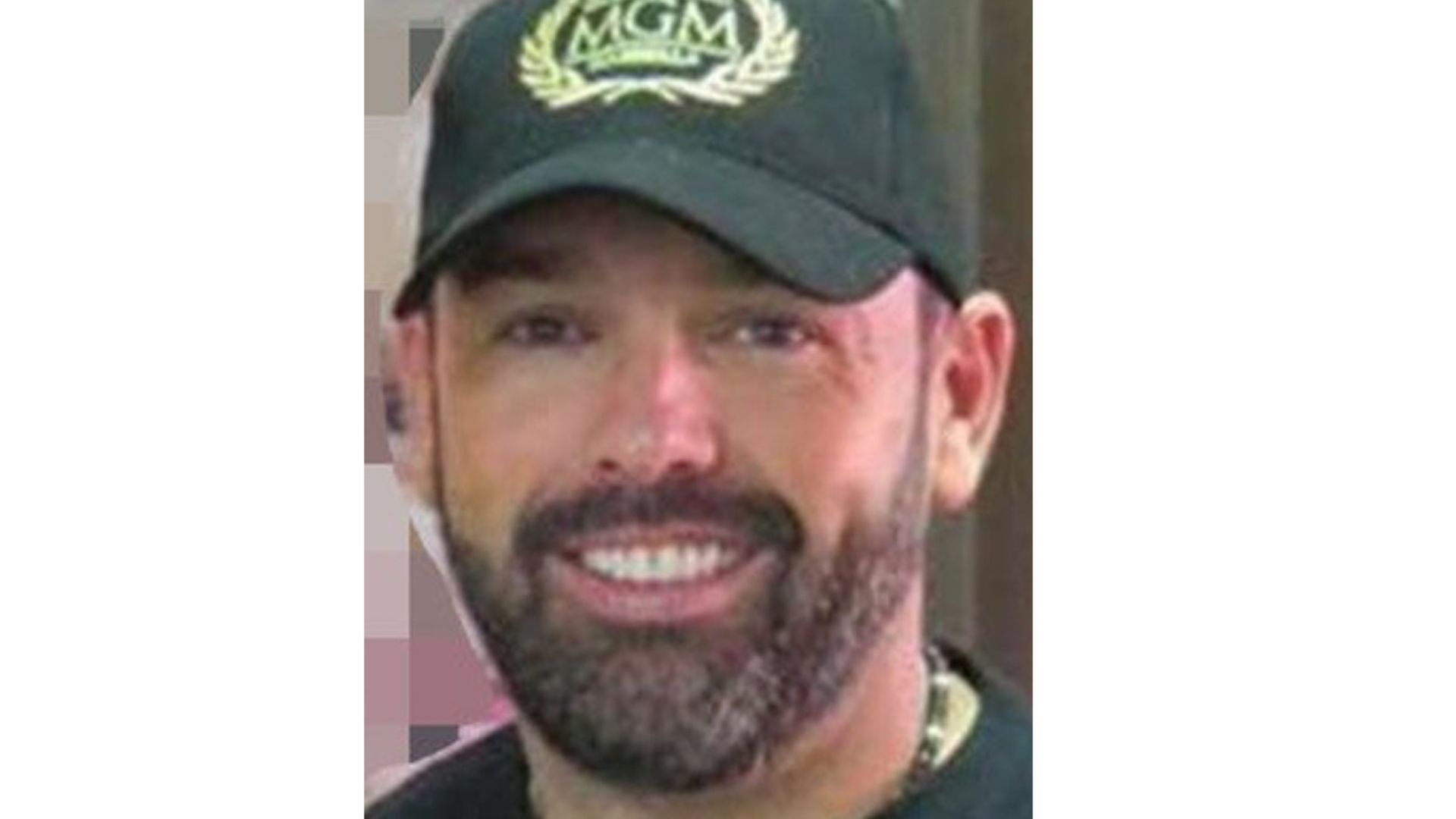
An Irish government jet lifted off from Casement Aerodrome in Baldonnel on a quiet Saturday morning, heading straight for the United Arab Emirates. Its target? Daniel Kinahan. For years, the alleged cartel leader treated the glitz of Dubai as an untouchable fortress, safe from European courts behind layers of wealth and geopolitical distance. That illusion just shattered.
When the aircraft touches down back on Irish soil with the 49-year-old suspect in custody, it marks a brutal reality check for modern transnational kingpins. Safe havens are shrinking.
The End of the Dubai Sanctuary
For a long time, Dubai felt like a permanent loophole for high-level white-collar criminals and international drug traffickers. If you had enough cash and kept a low profile, extradition requests vanished into diplomatic limbo.
Daniel Kinahan learned this the hard way. Following his arrest in Dubai back in April on foot of an Irish arrest warrant, his legal team fought tooth and nail to block his removal. They lost every single appeal.
The shift didn't happen by accident. Ireland and the UAE quietly finalized a bilateral extradition treaty that came into effect. Once that legal bridge opened, the countdown began. The UAE realized it could no longer afford to host men flagged by the United States Treasury and hunted by European police forces.
Anatomy of a Billion-Euro Cartel
To understand why this extradition feels like an earthquake in the underworld, you have to look at the sheer scale of the Kinahan Organised Crime Group (KOCG). Irish authorities estimate the syndicate's wealth at over one billion euros.
The organization didn't just traffic narcotics; it weaponized globalization. Daniel Kinahan attempted to rebrand himself as an elite boxing promoter and international sports advisor, rubbing shoulders with global sports stars while millions in drug money moved quietly through international shell companies.
Then the pressure mounted. The United States government slapped massive sanctions on the family leadership in 2022, even dangling a five million dollar bounty for information leading to his arrest.
What Happens Next in Dublin
When the government jet lands, security won't look like a standard airport arrival. Heavily armed Garda units and military personnel will secure the perimeter as Kinahan is transferred directly to the Special Criminal Court in Dublin.
The Special Criminal Court operates without a jury, a specific legal mechanism designed in Ireland to deal with subversive threats and organized crime intimidation. He faces grave charges relating to serious organized crime, drug trafficking, and firearms offenses.
He isn't even the first domino to fall from the top tier of the cartel. Earlier, high-ranking cartel lieutenant Sean McGovern was extradited from Dubai and subsequently handed a crushing 24-year prison sentence after pleading guilty to directing organized crime and attempted murder.
The message from law enforcement is loud. No amount of money, luxury real estate, or distance can outrun a signed extradition treaty when governments decide you've run out of road.