"The ship has safely crossed."
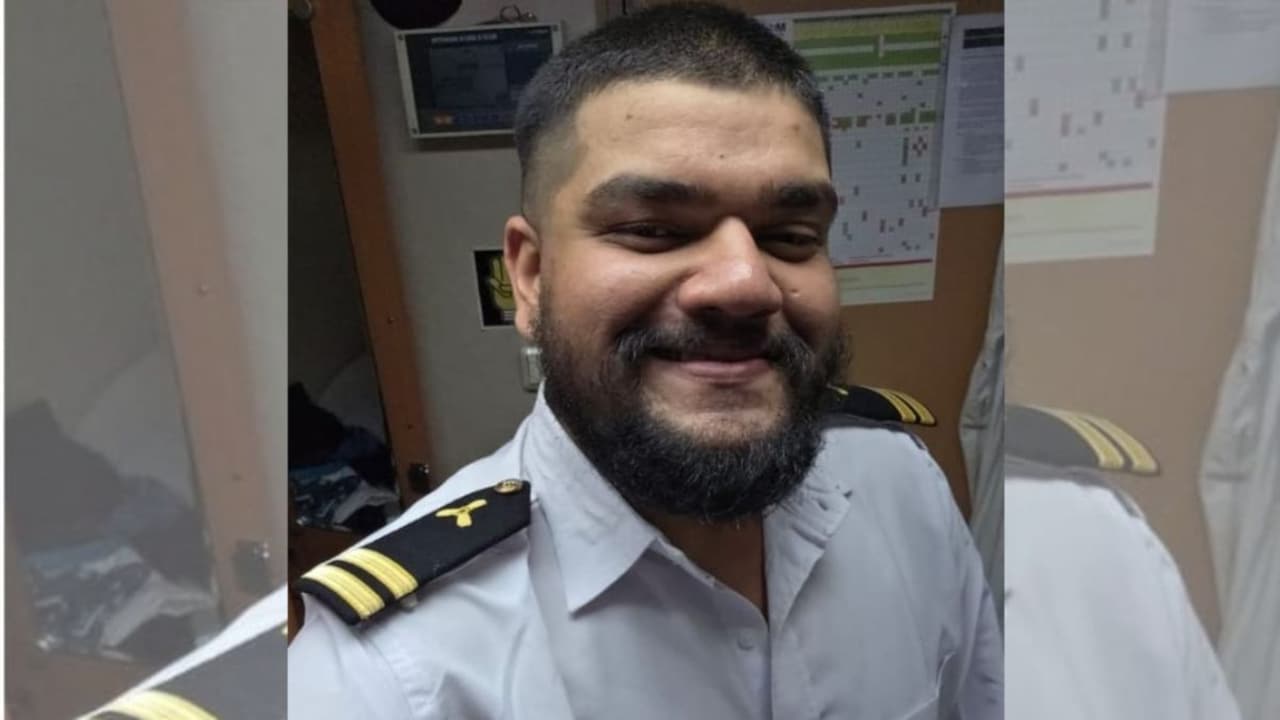
Heramb Karmarkar sent those five words to his family on a Sunday afternoon. He was a 30-year-old marine engineer from Pune, working in the hot, loud belly of a commercial container ship. He thought the danger had passed. He thought his ship, the Cyprus-flagged GFS Galaxy, had cleared the most volatile stretch of water on the planet.
He was wrong. Moments after he hit send, an Iranian strike tore into the vessel. The explosion ripped through the engine room. Ten Indian crew members were eventually rescued. Karmarkar went missing in the chaos. Days later, his family received the devastating confirmation they dreaded: Heramb was dead.
This is not just a tragic story about a text message sent too soon. It is an indictment of a global maritime system that uses civilian merchant sailors as cheap, expendable shields in a playground of state-sponsored violence.
Right now, thousands of commercial sailors are floating through active crossfires. They do not wear uniforms. They do not sign up to fight wars. Yet, they are the ones paying the ultimate price.
Inside the Strike on GFS Galaxy
The attack on the GFS Galaxy was fast and devastating. While transiting the Strait of Hormuz near the coast of Oman, the ship was targeted by Iran’s Islamic Revolutionary Guard Corps (IRGC). Iran later claimed the strike was merely a warning shot because the vessel allegedly entered a restricted route without clearance.
But you do not fire warning shots directly into an engine room.
The engine room is where marine engineers like Karmarkar work. It is the heart of the ship, filled with pressurized steam, fuel lines, and high-voltage systems. When a missile or drone hits that specific area, it is not a warning. It is a death sentence for anyone on duty.
The US Central Command quickly pointed fingers at Tehran, launching a series of retaliatory strikes against Iranian military targets. While Washington and Tehran trade missiles and press releases, families in towns like Pune are left to pick up the shattered pieces. Karmarkar’s father-in-law, Vivek Tandon, made a simple, heartbreaking plea to the Indian government: just bring his body home intact.
Think about that for a second. A family has to beg their government to ensure their 30-year-old son's body is returned in one piece. That is the reality behind the clinical headlines about "disrupted trade routes" and "geopolitical friction."
A Blood-Stained Pattern in the Strait
If you think the GFS Galaxy was an isolated stroke of bad luck, you are missing the bigger picture. The waters of the Middle East have become a shooting gallery.
Only a month before Karmarkar was killed, another tragedy struck nearby. The MT Settebello was hit off the coast of Oman. Three Indian sailors—Aditya Sharma, Shivanand Chaurasia, and Chief Engineer Patanala Suresh—lost their lives in that attack. Their ship also suffered massive engine room damage.
The Forward Seamen’s Union of India (FSUI) has been ringing the alarm bells for months. They have watched civilian shipping lanes transform into battlefields where crew members are treated as collateral damage.
Why are Indian sailors always in the line of fire?
It comes down to numbers. India is one of the largest suppliers of seafaring labor in the world. Roughly ten percent of all global merchant mariners are Indian. When a shipping giant wants to crew a vessel cheaply, they turn to young men from South Asia who are eager to earn a tax-free foreign wage to support their families back home. These men are highly skilled, incredibly hardworking, and put in positions of extreme risk without any real protection.
The Flags of Convenience Cop-Out
When a ship gets hit, the legal gymnastics begin.
The GFS Galaxy flew a Cyprus flag. The MT Settebello flew another. This is what the shipping industry calls flags of convenience. Wealthy shipowners register their vessels in countries like Panama, Liberia, or Cyprus to escape strict labor laws, heavy taxes, and rigorous safety regulations.
But when a crisis hits, what does the government of Cyprus do for an Indian sailor? Nothing. They do not have the naval power or the political will to protect these crews.
The shipowners pocket the massive profits from high-risk freight rates. Insurance companies charge astronomical premiums to cover the hulls of these ships. Meanwhile, the actual humans onboard are left completely vulnerable. It is a brilliant system for corporate executives, and a deadly trap for the crew.
The global supply chain relies on these choke points. One-fifth of the world’s oil passes through the Strait of Hormuz. If shipping stops, global economies collapse. Because of this, shipping companies will keep rolling the dice, sending civilian crews into active conflict zones, hoping they make it through.
Sometimes they do. Sometimes they end up like Heramb Karmarkar.
Why Tracking Dashboards Will Not Save Lives
In response to the mounting casualties, India’s Union Minister Sarbananda Sonowal directed the Directorate General of Shipping to launch a real-time seafarer tracking dashboard. The government plans to monitor every Indian sailor individually, tracking their ship's location, cargo, and threat assessments.
Let's be honest. A digital dashboard is a band-aid on a gaping chest wound.
Knowing exactly where a ship is when a missile strikes does not stop the missile. A dashboard does not protect an engine room from an IRGC boarding party or a drone attack. It is bureaucratic theater designed to make it look like the authorities are doing something, while avoiding the hard political decisions required to actually protect civilian lives.
If India wants to stop its young men from coming home in body bags, it has to stop playing nice on the diplomatic stage.
What Needs to Change Immediately
We have to stop treating these deaths as unavoidable tragedies of war. They are entirely preventable. To protect civilian mariners, several concrete actions must be taken immediately.
- Mandatory Right to Refuse Transit: Seafarers must be given the absolute, legally protected right to refuse to sail into designated high-risk zones without facing blacklisting or termination by shipping companies.
- Double Pay Is Not Enough: Currently, maritime unions negotiate double pay for crews transiting war zones. But money is useless to a dead sailor. High-risk transits must require mandatory armed naval escorts from the sailor's home country, not just empty promises of security.
- Aggressive Naval Escorts: The Indian Navy has shown it can successfully combat piracy in the Gulf of Aden. It must now deploy a continuous, active naval convoy system for any merchant vessel carrying a significant number of Indian crew members through the Strait of Hormuz.
- Hold Shipowners Accountable: If a shipping company decides to send a vessel through a known hot zone without naval protection, they should face massive, existential financial penalties and criminal liability if a crew member is injured or killed.
The era of letting corporate entities hide behind foreign flags while risking Indian lives must end.
The Next Step for Families and Aspiring Sailors
If you have a family member working in the merchant navy, or if you are considering a career at sea, do not rely on shipping agencies to tell you the truth about route safety. They have a financial incentive to downplay the dangers.
Demand full transparency on voyage routes before signing any contract. Check if the vessel plans to transit the Red Sea, the Gulf of Aden, or the Strait of Hormuz. Work with recognized unions like the Forward Seamen’s Union of India to understand your rights and ensure you have the option to sign off before a ship enters a conflict zone.
Merchant mariners keep the world running. They deserve to return home to their families to say they safely crossed, and actually mean it.


