A microscopic parasite hiding in your crisp green salad doesn't announce its presence until days after you've finished eating. If you've been following the recent food safety alerts, you already know that Cyclospora cayetanensis has once again disrupted public health channels, striking hardest in states like Michigan and forcing massive supply chain shifts. But official bulletins leave out the messy reality of how these outbreaks actually unfold on the ground.
Let's break down what is really happening behind the numbers, why tracking this bug is an absolute nightmare for epidemiologists, and what you actually need to do to protect yourself.
Understanding the Parasite Behind the Headlines
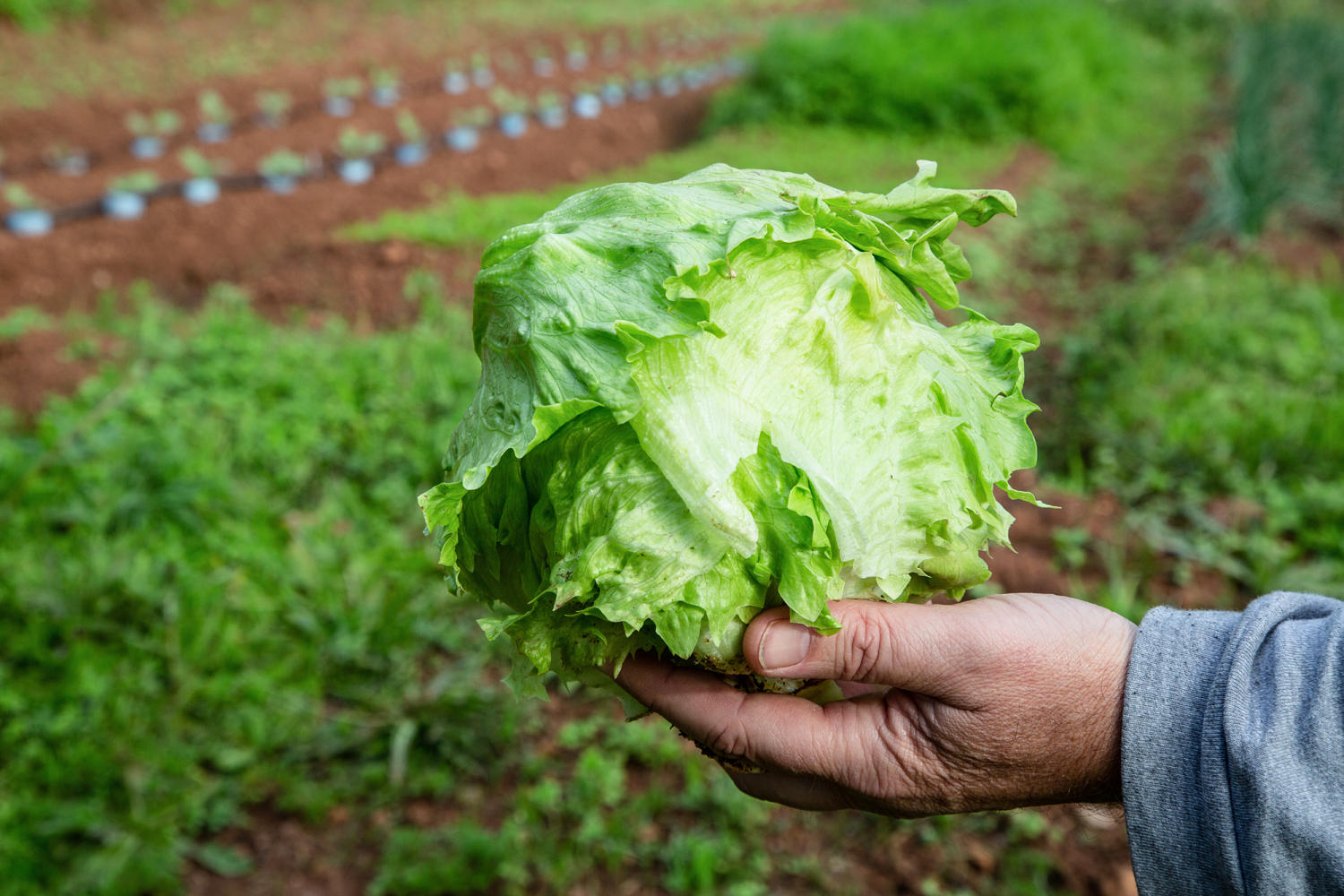
Cyclospora isn't a bacterium like E. coli or Salmonella. It's a single-celled protozoan parasite. That distinction matters immensely. Bacteria can multiply rapidly in warm food left sitting on a counter. Cyclospora cannot reproduce inside fruits or vegetables. Instead, it hitches a ride from contaminated agricultural water or poor handling hygiene right onto the surface of produce—typically delicate greens like iceberg lettuce imported from central Mexico.
Once ingested, the parasite takes its sweet time. Symptoms usually start anywhere from two to fourteen days later.
Think about what you ate for lunch last Tuesday. Can you remember? Exactly. That massive incubation window is the primary reason outbreak tracking turns into a guessing game for investigators. By the time you feel severe, watery diarrhea, explosive fatigue, and abdominal cramps, the salad you ate is long gone from your fridge, and your memory of where you ordered it is hazy at best.
The Michigan Epicenter and the Traceback Puzzle
During the recent surge tied to shredded iceberg lettuce distributed by suppliers like Taylor Farms de Mexico to locations such as Taco Bell across states including Indiana, Kentucky, Michigan, Ohio, and West Virginia, Michigan absorbed a massive share of the reported cases.
Public health officials at the Michigan Department of Health and Human Services along with the CDC faced a frustrating puzzle. Thousands of suspected and confirmed cases poured in. Ingredient-level questionnaires revealed a heavy statistical skew toward iceberg lettuce, but investigators quickly realized something else: not everyone who got sick ate at a fast-food chain.
That discrepancy points to a larger structural vulnerability in our globalized food supply. Produce grown across international borders passes through numerous hands—harvesters, washing facilities, packing houses, and interstate distributors—before it ever reaches a commercial kitchen or grocery store shelf. Any single touchpoint along that chain can introduce or spread microscopic oocysts.
Why Standard Kitchen Washing Fails You
One of the most dangerous myths floating around internet forums is that you can simply rinse away parasites at home. You can't.
Cyclospora oocysts are remarkably tough. They survive routine chemical sanitizers and standard cold-water rinses. Buying "pre-washed" or "triple-washed" bagged greens offers zero immunity against this specific organism. If the irrigation water at the farm was tainted weeks prior, the parasite clings stubbornly to the leaf tissue.
If you want to eliminate risk when handling fresh leafy greens during an active advisory, your options are limited:
- Skip raw greens entirely in favor of thoroughly cooked produce.
- Heat greens to an internal temperature of at least 158°F (70°C), which effectively kills the parasite.
- Peel thick-skinned produce even if you don't eat the skin, stopping surface contaminants from transferring via your knife blade.
Navigating Treatment and Misdiagnosis
Another major hurdle is medical recognition. Because cyclosporiasis mimics other gastrointestinal bugs—like viral gastroenteritis or severe food poisoning—patients often receive standard anti-nausea advice or broad-spectrum treatments that do nothing for a protozoan infection.
Standard stool tests don't always automatically screen for parasites unless a physician specifically requests an O&P (ova and parasites) exam or a specialized molecular test. If your digestive symptoms drag on for weeks with cycles of intense fatigue and watery flare-ups, general hydration and rest won't cut it. Doctors treat Cyclospora with specific prescription antibiotics, typically a combination of trimethoprim and sulfamethoxazole.
What to Do Right Now
Check your fridge, stay updated on active FDA and CDC distribution recalls, and stop assuming commercial food packaging guarantees safety. When agricultural regions face contamination events, the safest bet is to pivot your meal prep toward hot, thoroughly cooked foods until public health agencies declare the supply chain clear.