Havana went completely dark again. On July 10, 2026, Cuba’s national grid collapsed for the second time in less than a week. It marks the fourth total island-wide blackout this year alone. If you talk to the island's 10 million residents, they’ll tell you it isn't just an inconvenience anymore. It's a complete economic halt. For Yailin Fis Garcia, a 26-year-old running a brand-new cafe in central Havana, it means watching food spoil and watching her investment vanish. Her neighborhood on the capital's edge has lately seen power for only an hour or two a day.
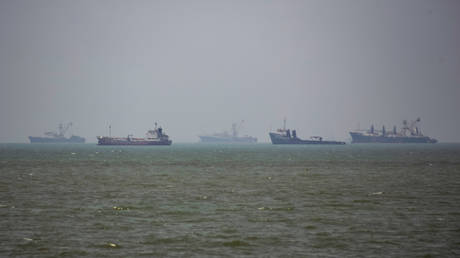
The cause isn't a secret. In January 2026, the White House instituted a de facto oil blockade following the dramatic political ouster of Venezuelan President Nicolás Maduro. Since Washington cut off Venezuela's supply and threatened heavy tariffs on any foreign nation shipping fuel to the island, Cuba's imports have cratered. Only a single Russian oil tanker managed to dock back in March, and those reserves dried up weeks ago. With domestic production covering barely 40% of what the island needs, the obsolete Soviet-era power plants simply don't have the fuel to run.
The Collapsing Grid and the Cost of Isolation
The current crisis exposes a deeply broken energy strategy. For decades, Cuba relied on subsidized oil from political allies to feed a network of thermoelectric plants built between 1960 and 1980. These plants are way past their expiration dates. Without steady fuel, the entire infrastructure experiences rapid, cascading failures. When one major plant trips due to low fuel pressure or sudden load shifts, it drags the rest of the island down with it.
Cuba's Energy Paradox:
- Domestic Fuel Production: ~40%
- Foreign Fuel Reliance: ~60%
- Key Supplier Loss: Venezuela (Cut off Jan 2026)
- Renewable Energy Share: ~18%
The human toll is staggering. Public transit has practically evaporated. Hospitals are delaying tens of thousands of elective surgeries because backup generators can't be run indefinitely. The United Nations Human Rights Office has openly raised the alarm, noting that the fuel shortage is actively crippling water pumping systems and domestic agricultural harvests.
The Washington Blindspot
Washington's stance remains unyielding. U.S. Ambassador to the UN Mike Waltz recently laid the blame entirely on Havana’s state-run economic model, demanding political reforms before any relief arrives. But this logic ignores the reality on the ground. Decades of economic mismanagement by the Cuban government certainly created a fragile foundation, but the sudden, aggressive energy blockade is what pushed it over the cliff.
Sanctions aimed at punishing a regime almost always end up crushing the civilian population first. Food storage requires refrigeration. Water distribution requires electric pumps. When the U.S. blocks oil tankers, it doesn't just dim the lights in government offices; it rots the meat in a family's freezer and halts local private businesses like Garcia's pizza shop.
The Chinese Solar Alternative
Faced with an airtight embargo, Havana is shifting its long-term bets. The island previously announced plans to hit 24% renewable energy by 2030, but the 2026 blockade forced their hand. Cuba is rapidly importing solar technology from China to build out microgrids that can operate independently of the failing central network.
Right now, renewables only make up about 18% of the country’s energy mix. Solar panels can’t fix an industrial shortage overnight, but they represent the only viable path away from total dependence on foreign tankers.
If you are looking to understand where this crisis goes next, keep your eyes on two fronts. First, watch the expanding trade agreements between Havana and Beijing as China attempts to fill the infrastructure void. Second, track the growing domestic discontent. The combination of 70-hour power cuts in rural provinces and brief, volatile protests in Havana suggests the status quo cannot hold much longer.
To help alleviate the immediate humanitarian strain, independent groups and international NGOs are focusing on distributing small-scale, solar-powered equipment directly to local communities. Supporting organizations that provide portable solar refrigeration and off-grid water purification systems remains the most direct way to assist regular Cuban citizens caught in the geopolitical crossfire.