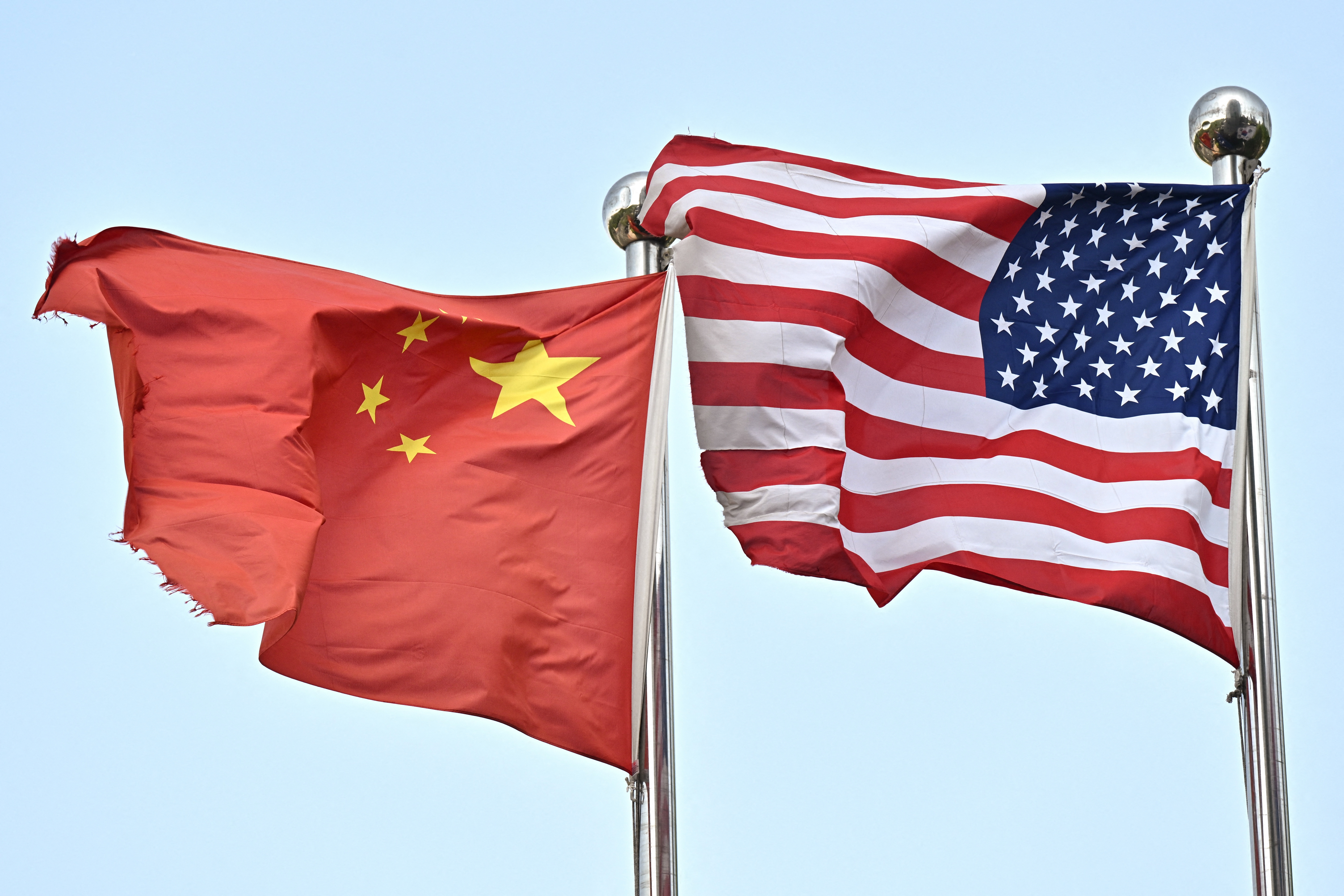
Trade wars used to dominate every single conversation between Washington and Beijing. Not anymore. When Donald Trump and Xi Jinping sit down for their upcoming summit, silicon and neural networks will take center stage.
Forget soybeans and tariffs for a second. The real race is about who controls the future of machine intelligence, and both superpowers know it. While official government channels trade public barbs, a quieter diplomatic engine is running behind the scenes. Track Two diplomacy—unofficial dialogues between retired officials, academics, and tech experts—is already buzzing with proposals to avoid a catastrophic algorithmic arms race.
If you think this is just standard political theater, you're missing the entire point.
The Real Gap Between U.S. and Chinese Tech
Everyone loves to talk about who has the best frontier model. Right now, American labs like OpenAI, Anthropic, and Google DeepMind hold a very narrow performance lead. Their systems ace complex coding tasks and handle sophisticated reasoning better than anything else on Earth.
Kyle Chan, a fellow at the Brookings Institution, points out a crucial nuance that mainstream headlines miss. Having the best top-tier product doesn't automatically mean you're winning the global adoption war.
China is taking a different route. Beijing is aggressively integrating artificial intelligence into everyday government services, healthcare, and education. Their models might sit a few percentage points behind U.S. benchmarks in pure reasoning capability, but they're open-source, cheap, and easy to deploy. Developers across the developing world are grabbing Chinese open-source architectures because they don't cost a fortune.
Michael Horowitz, an expert in security and tech policy, uses a simple analogy. Think of it like televisions. The ultra-premium home theater setup is nice, but if a mid-market screen costs a fraction of the price and gets the job done for ninety percent of users, that's what the masses will buy.
Why Track Two Diplomacy is Working Right Now
Official state actors are too rigid. When diplomats talk, they read from pre-approved scripts dictated by domestic political survival. That's why Track Two diplomacy matters so much right now.
These unofficial channels allow American and Chinese computer scientists, former defense officials, and policy researchers to speak freely. They aren't trying to score points for the evening news. They're trying to figure out how to prevent automated defense systems from misinterpreting a cyber anomaly as an act of war.
The buffer of time we have is shrinking. Experts estimate the U.S. frontier model advantage sits somewhere between six and twelve months. When safety labs like Anthropic flag models like Mythos as too dangerous to release due to cybersecurity risks, alarm bells ring in both capitals. Both superpowers realize that an unmanaged technological blowout helps nobody.
What Actually Needs to Happen Next
You can't stop the progression of neural network research with a simple executive order or a protectionist trade restriction. The code is global, and the talent is dispersed.
If you want to track where this summit is actually heading, ignore the public posturing about sanctions and rare earth mineral exports. Look closely at whether both governments establish formal guardrails for automated military systems and shared safety standards.
Stop waiting for politicians to fix cyberspace on their own. Pay attention to the quiet technical working groups meeting in hotel conference rooms right now, because they're drafting the rules we'll all live under tomorrow.
Trump Sets Tone For Crucial September Meet With Xi
This video provides direct context on how the White House shaped the agenda leading up to the high-stakes summit between Trump and Xi regarding artificial intelligence.
http://googleusercontent.com/youtube_content/1