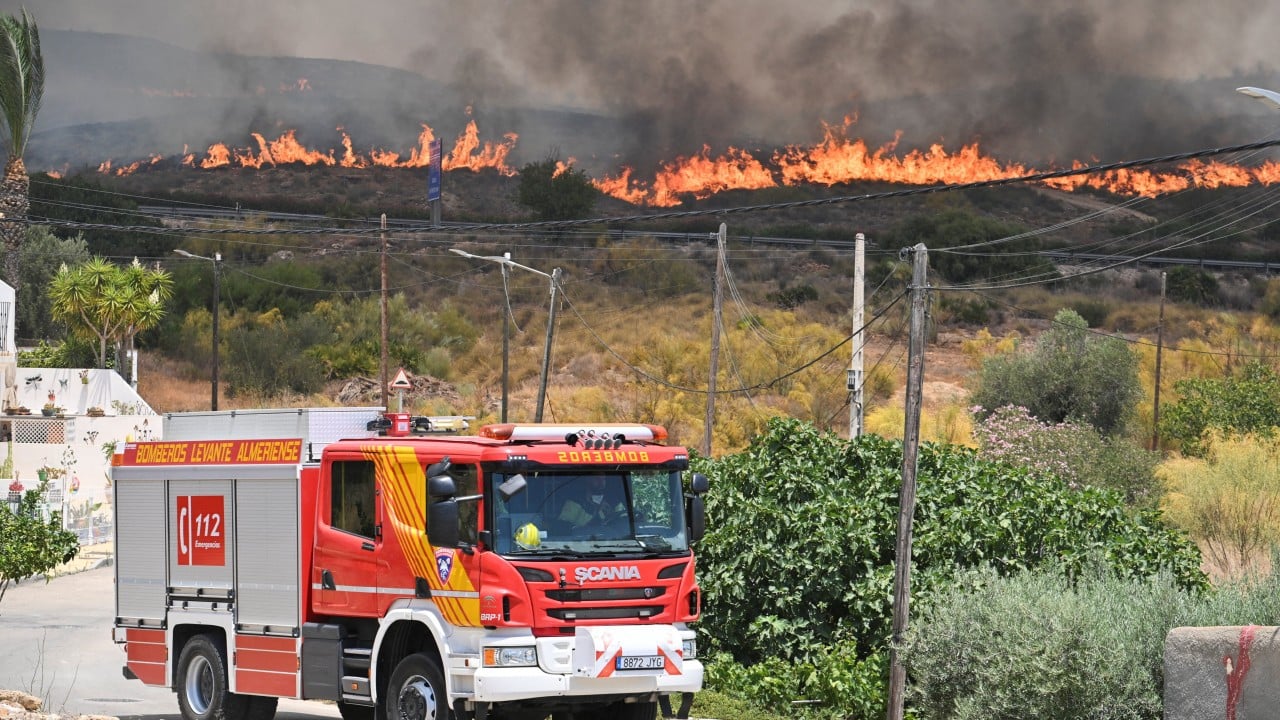
When a city floods or a forest burns, we hear the same script. Politicians offer thoughts and prayers. International bodies issue dire warnings. Pledges are made on glittering conference stages. Then, the news cycle spins, another war breaks out, inflation ticks upward, and the checkbook stays firmly closed.
This is the cold reality of global finance. Climate disasters are not just fighting physical chemistry; they are fighting a losing battle for the world's attention and capital.
Right now, the international financial system is built to react to immediate crises. If a bank fails, governments print billions overnight. If a war erupts, military aid packages are approved in days. But if a developing nation needs funds to protect its coastlines from rising seas? That takes decades of negotiation, endless bureaucracy, and a lot of empty promises.
We need to talk about why the money is not flowing where it matters, and how the current global financial structure ensures that climate survival remains an afterthought.
The Brutal Math of Global Distraction
Money goes where the fear is. Right now, the world is terrified of immediate, explosive threats.
Take a look at global spending. When major conflicts flare up, billions of dollars in military and humanitarian aid are mobilized with astonishing speed. This is understandable. People are dying, and immediate geopolitical stability is on the line.
But compare that urgency to the snail-paced funding for climate adaptation. The United Nations Environment Programme estimates that the adaptation finance gap for developing countries is somewhere between $194 billion and $366 billion per year. What do we actually see delivered? A tiny fraction of that.
The core issue is time-horizon mismatch.
- Politicians think in two to four-year election cycles. They want to show quick wins or respond to the crisis of the day.
- Markets think in quarters. Investors want returns by next month, not a promise of a more stable coastline in thirty years.
- Climate change operates on decades.
Because of this mismatch, long-term preparation loses every single time it goes up against a short-term emergency. When inflation rises, governments tighten their belts. The first things cut are the international development funds meant for foreign climate resilience.
Why the Loss and Damage Fund is Mostly Empty Talk
At recent UN climate summits, the establishment of the Loss and Damage fund was hailed as a historic victory. It was supposed to be the mechanism where wealthy, high-emitting nations finally paid poorer countries for the destruction caused by climate change.
In practice, it has been a masterclass in performative generosity.
The initial pledges to the fund totaled around $700 million. That sounds like a lot of money until you look at the actual cost of climate disasters. A single major hurricane can cause tens of billions of dollars in damage. The 2022 floods in Pakistan alone caused over $30 billion in economic losses.
Offering $700 million to repair the entire developing world's climate wreckage is like throwing a single cup of water onto a raging house fire. It is a drop in the ocean. Worse, these pledges are voluntary. There is no legally binding mechanism to force rich nations to pay up, and history shows that verbal commitments rarely translate into actual cash.
High Interest Rates Are Squeezing Green Projects
You cannot talk about climate finance without talking about central banks. The rapid rise in interest rates over the last few years has quietly devastated green energy and adaptation projects, especially in the Global South.
Building a coal-fired or gas-powered plant is relatively cheap upfront, though it is expensive to run because of fuel costs. Building a wind farm or a solar array is the exact opposite. It requires massive upfront capital, but the "fuel" (wind and sun) is free.
Because green projects require so much upfront money, they are highly sensitive to interest rates. When rates are high, the cost of borrowing skyrockets.
In developing nations, this problem is magnified by sovereign risk premiums. A developer trying to build a solar grid or a sea wall in a debt-distressed nation might face interest rates of 15% or 20%. At those rates, the project is dead before it even starts.
Investors run away from these risks, preferring to park their money in safe, high-yield government bonds in the US or Europe. The capital flight from the areas that need it most is real, and it is happening right now.
The Mirage of Private Capital
For years, the consensus among global elites has been that public money is not enough, so we must rely on private capital. The theory is that by using a little bit of public money to de-risk investments, we can attract trillions from pension funds and private equity.
This is mostly a fantasy.
Private capital has a fiduciary duty to maximize returns. It does not care about saving a village from a landslide unless there is a clear, profitable way to monetize that rescue.
The Profit Problem in Adaptation
While it is possible to make a profit on a massive utility-scale solar farm, how do you make a profit on building a mangrove forest to protect a low-lying community? How do you monetize a storm surge barrier?
You can't.
These are public goods. They require public funding, grant money, and zero-interest loans. Relying on the magic of the private market to fund basic survival in the poorest corners of the planet is a recipe for disaster. It is an excuse used by wealthy governments to shirk their direct funding responsibilities.
Actionable Steps to Shift the Money Where It Belongs
We cannot just complain about the system; we have to look at what actually works to change it. If we want to stop climate disasters from losing the funding war, the financial architecture must be rebuilt.
Here is what needs to happen.
Reform the Multilateral Development Banks
The World Bank and the International Monetary Fund (IMF) were built for the post-World War II era, not the climate crisis. They need to dramatically expand their lending capacity. This means changing their risk models to allow them to lend more aggressively and offering massive amounts of concessional (low-interest) finance specifically for climate adaptation.
Implement the Bridgetown Initiative
Championed by Barbados Prime Minister Mia Mottley, this plan calls for a systemic overhaul of global finance. It includes suspending debt payments for countries hit by natural disasters. When a hurricane hits an island nation, they should not have to choose between rebuilding their schools and paying back foreign creditors.
Levy Global Wealth and Carbon Taxes
If voluntary pledges do not work, we need automatic funding streams. Small taxes on international shipping emissions, aviation, or financial transactions could generate hundreds of billions of dollars annually. This money could bypass political theater and go directly into international adaptation funds.
Stop Fossil Fuel Subsidies
Governments around the world still spend hundreds of billions of dollars annually subsidizing fossil fuels. This is madness. We are actively paying to make the crisis worse while complaining that we do not have enough money to fix it. Diverting even a portion of these subsidies to climate resilience would change the game entirely.
Stop Waiting for Goodwill
The biggest mistake we make is assuming that global finance will eventually do the right thing out of moral obligation. It won't.
As long as climate change is treated as an environmental issue rather than a core systemic threat to global financial stability, it will always be pushed aside by the crisis of the week. The money is there. We see it appear whenever a war needs funding or a major financial institution needs a bailout.
It is time to stop asking nicely for climate aid. We must build a system where the cost of inaction is too expensive for the financial markets to ignore.