The gaming community lost an indispensable architect of its history on Friday, June 19, 2026. Claude Guillemot, one of the original five brothers who founded the multi-billion-dollar French publisher Ubisoft, died in a tragic plane crash. He was 69.
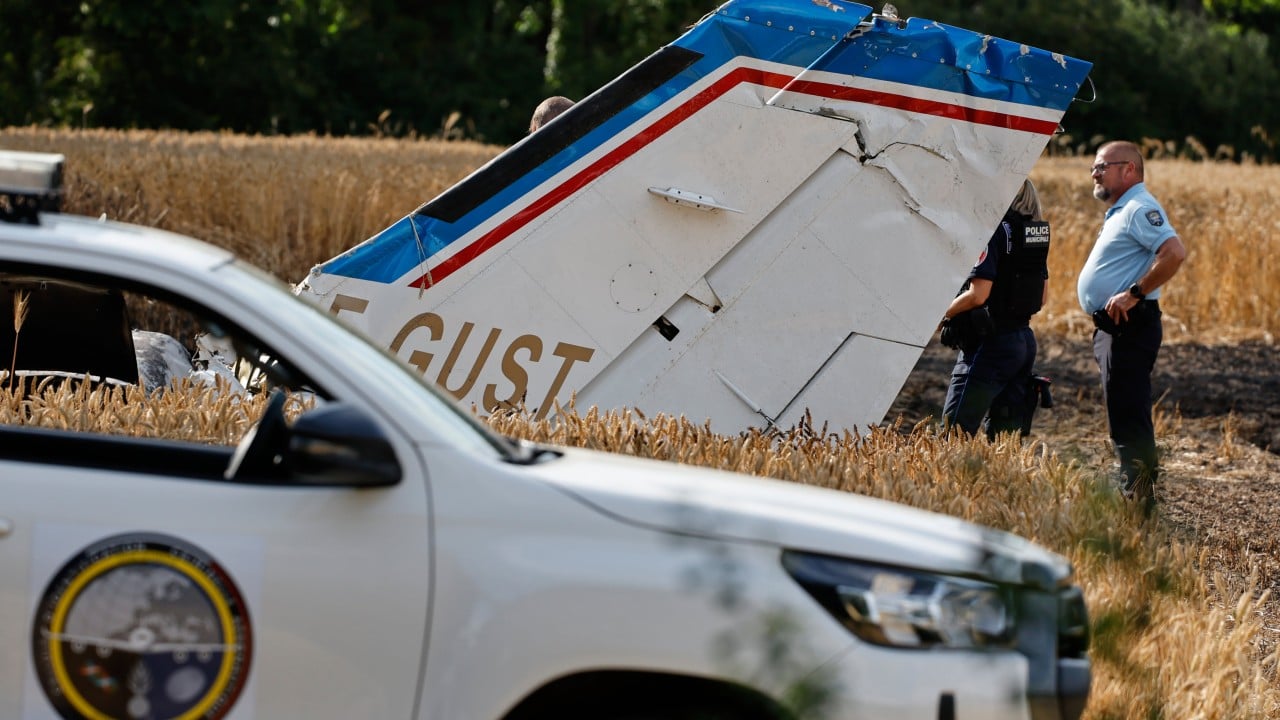
The twin-engine Cessna 421 owned and piloted by Claude Guillemot went down in a field near the La Baule-Escoublac Airport on France's Atlantic coast. He was traveling from Rennes alongside an unnamed flight instructor to attend a local aviation event. Witnesses noted the aircraft made an unexpected, abrupt turn during its landing approach before impacting the ground. Both experienced, licensed pilots perished as the plane burst into flames. The local mayor, Franck Louvrier, confirmed that French authorities have launched an active investigation into the underlying technical or environmental causes of the incident.
Ubisoft confirmed the loss on Saturday morning with a brief, somber statement expressing deep sadness. The family has requested privacy. While mainstream news outlets rush to plaster images of Assassin's Creed over the tragedy, they miss the real story of who Claude actually was. He wasn't the guy deciding the next open-world gaming map. He was something much rarer. He built the physical backbone of how European gamers interacted with tech.
Moving Beyond the Shadows of the Ubisoft Giants
To understand Claude's role, you have to look at how Ubisoft operates. The family dynamic is legendary in the tech sector. Five brothers—Yves, Claude, Michel, Gérard, and Christian—started a small mail-order software business in Brittany back in 1986. They saw the early home computer boom and jumped.
Eventually, Yves Guillemot became the public face of the empire, steering Ubisoft into global dominance with franchises like Rayman, Splinter Cell, and Far Cry. But Claude possessed a deeply specialized technical mind. He held a master’s degree in economic science alongside a dedicated certificate in industrial computing. Instead of focusing entirely on software publishing, Claude saw an entirely different market void: the gear.
He took control of Guillemot Corporation, the family’s dedicated interactive entertainment hardware division. If you have ever played a racing simulator or flight sim, you know his work. Under his guidance as CEO and chairman, the company expanded the reach of heavy-hitting hardware brands like Thrustmaster and Hercules. He focused on building high-performance steering wheels, joysticks, and audio equipment. He understood that software is only as good as the physical interface connecting the player to the machine.
The Quiet Executive Strategy That Actually Works
Many industry commentators fail to see the deliberate generational transition the family executed recently. In July 2025, Claude stepped away from his day-to-day executive duties at Guillemot Corporation. He passed the CEO torch to his son, Valentin Guillemot.
This move wasn't a sudden retirement. Claude remained heavily involved as the chairman of the hardware group. He also retained his vital role on Ubisoft's board as the executive vice-president of operations. This structured succession planning ensured that the business stayed resilient, shielding the corporate architecture from unexpected shocks.
People often ask how family-run businesses manage to survive the brutal volatility of the gaming industry for four decades. The Guillemots did it by diversifying. When software sales fluctuated, hardware kept the company grounded. Claude’s behind-the-scenes mastery of supply chains, manufacturing logistics, and engineering was exactly what allowed his brother Yves to take massive creative risks on the publishing side.
What the Aviation Community Knew About Claude
Claude wasn't just a corporate figurehead playing with expensive hobbies. He was an integrated member of the La Baule flying club. The weekend trip wasn't a casual leisure jaunt; he was scheduled to participate in a major regional gathering involving over 100 historical and modern aircraft.
The fact that an instructor accompanied him despite his extensive flight hours highlights his rigorous approach to safety and operational discipline. The Cessna 421 is a complex cabin-class twin-engine aircraft that demands high precision. Investigators from the French aviation safety agency are currently examining the wreckage to determine if a mechanical failure caused the sudden fatal turn before landing.
Practical Steps for Tech Leaders and Hardware Teams
The sudden loss of an industry pillar acts as a stark reminder for contemporary founders and tech executives. If you run a business dependent on centralized leadership, you need an immediate operational assessment.
- Review Succession Blueprints: Ensure your organization has a clear, documented operational handoff just as Claude established in 2025. It prevents corporate paralysis during sudden crises.
- Balance the Portfolios: Diversify your technical offerings. Do not rely entirely on software ecosystems. Invest in physical interfaces, infrastructure, or foundational hardware components to stabilize long-term revenue.
- Keep Leadership Grounded: Maintain close ties to foundational engineering. Claude’s background in industrial computing kept his strategic goals realistic, preventing the corporate bloat that destroys regular tech companies.
The investigation in La Baule will continue over the coming weeks to uncover the exact mechanics behind the crash. Meanwhile, the gaming world bids goodbye to a quiet titan whose hardware engineering defined the childhoods of millions.