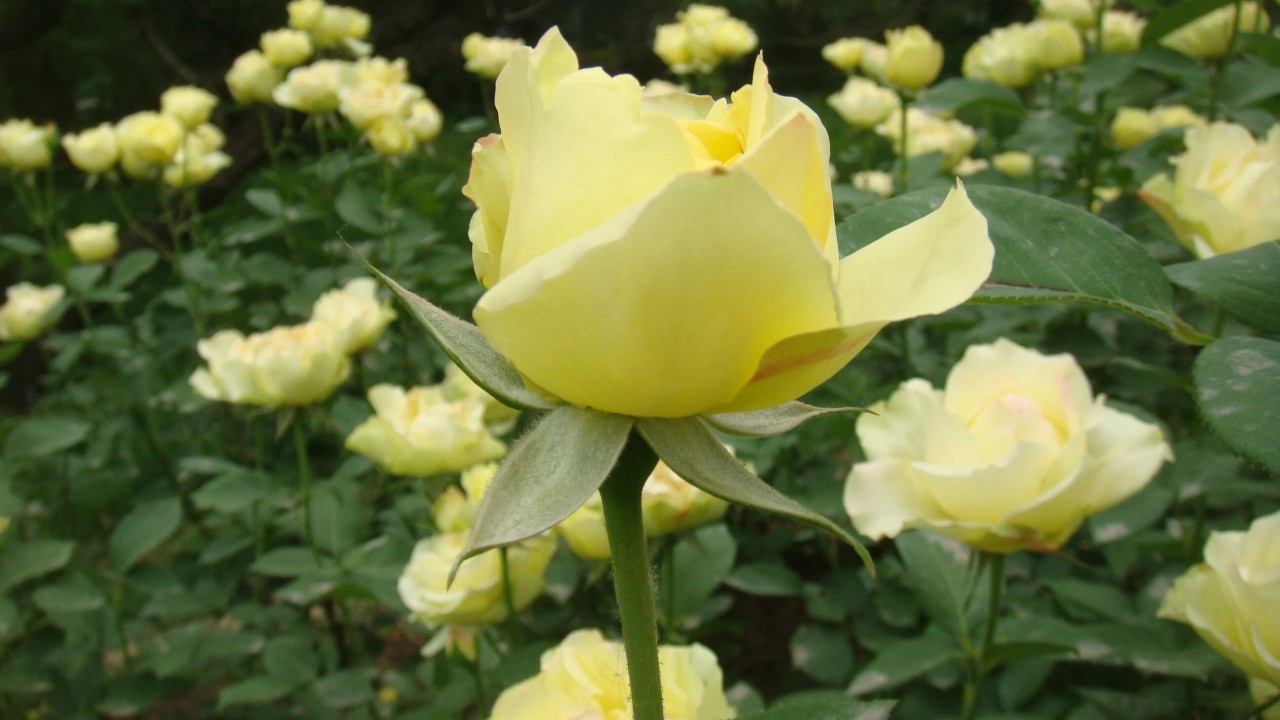
High-stakes geopolitics usually relies on aircraft carriers, tariff threats, and icy press briefings. Sometimes, though, international relations turns to botany. When Donald Trump visited Beijing and toured the Zhongnanhai leadership compound, an unusual exchange captured global headlines. President Xi Jinping offered more than the standard protocol plaques or ceremonial tea sets. He promised rose seeds straight from China's most guarded historical gardens. Trump loved it.
You might wonder why a modest packet of seeds matters in an era defined by tech sanctions and trade disputes. The answer tells you a lot about modern statecraft. Symbols matter. They soften the edges of bitter economic friction and give leaders a tangible narrative to sell back home.
Let’s look at how gift diplomacy has evolved and why this particular botanical gesture is rewriting the playbook between Washington and Beijing.
Beyond Pandas and Porcelain
For decades, Beijing relied on classic tropes of panda diplomacy or intricate porcelain artifacts to woo foreign leaders. Pandas are cute, but they are predictable. They scream calculated public relations.
Rose seeds from Zhongnanhai hit a different note. They are personal. They require cultivation, patience, and time—things that politicians rarely associate with modern bilateral agreements. When Trump admired the gardens during his state visit, Xi turned a routine walkthrough into a memorable diplomatic touchpoint. It was a calculated human moment. It signaled a shift from purely transactional chest-thumping toward a more nuanced brand of personalized engagement.
The Pragmatic Side of Soft Power
Critics often dismiss these gestures as meaningless theater. That's a mistake. In high-level diplomacy, personal rapport creates channels that remain open when formal negotiations break down.
When you strip away the speeches, global superpowers need ways to signal goodwill without making major policy concessions. Sending rose seeds doesn't alter export controls or resolve maritime disputes. It does something subtler. It buys political breathing room. It lets both administrations point to a personal connection, making it slightly easier to manage domestic hardliners who demand constant hostility.
Think about how past leaders used unconventional tokens. Nixon's ice-breaking visit kicked off decades of commercial integration. While a handful of flower seeds won't match that historic weight, it reflects an ongoing truth. Diplomacy is built by individuals in rooms talking face-to-face, not just algorithms or trade data spreadsheets.
What This Means for the Future
As Washington and Beijing navigate fragile stability, expect more symbolic diplomacy mixed with fierce economic competition. Leaders know that purely adversarial postures fatigue the public and rattle global markets. Balancing confrontation with personal touches like garden flora keeps the relationship from tipping entirely into freefall.
Pay attention to the small details when world leaders meet. The grand treaties get the media spotlight, but the seeds planted in private gardens often reveal where the relationship is truly trying to grow.
I'll Send The Seeds: Xi's Unusual Rose Gift to Trump Draws Attention During Zhongnanhai Meeting
This video provides a firsthand look at the Zhongnanhai meeting where Chinese President Xi Jinping offered the rose seeds to Donald Trump.