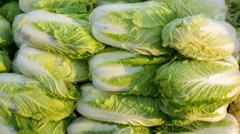
You buy a head of cabbage, slice it open for a stir-fry, and trust that it won't poison you. Right now, shoppers across Asia are questioning that basic assumption. A fresh food safety panic erupted after investigators confirmed a horrifying supply chain shortcut: traders are dipping fresh cabbages into formaldehyde to stop them from rotting during transit.
If you think this sounds like an isolated glitch, look closer. This isn't the first time chemical preservatives have turned up where they don't belong. Let's break down what actually happened, why logistics failures drive these reckless habits, and what you need to know about food supply risks.
The Viral Video That Exposed the Cabbage Scandal
The entire scandal broke wide open because of a single internet blogger. Armed with a smartphone, the user filmed a cabbage-purchasing and loading site in Kangbao County, located in China's Hebei province. The video captured a grim routine. Workers picked up cabbages one by one, dipped the root ends directly into a mysterious basin filled with liquid, and then tossed them onto transport trucks.
An on-site handler admitted that this quick chemical bath buys an extra two to three days of artificial shelf life. Containers explicitly labeled as formaldehyde solution sat right next to the cargo freight.
When the footage went viral, local authorities couldn't sweep it under the rug. Public security organs stepped in, launching immediate investigations, detaining individuals involved, and slapping coercive measures on the transport vehicles. Central government bodies, including the State Council's Food Safety Office and the Ministry of Agriculture, jumped into action with orders for nationwide inspections.
Why Formaldehyde Is a Toxic Nightmare
Formaldehyde is a colorless chemical gas with a suffocating, pungent odor. Its liquid form, formalin, serves industrial purposes like manufacturing resins, embalming, and preserving biological specimens. It does not belong anywhere near a kitchen.
The World Health Organization’s International Agency for Research on Cancer classifies formaldehyde as a Group 1 carcinogen. That is the highest risk category, meaning there is concrete scientific proof linking exposure to cancer in humans. Eating or handling foods spiked with this chemical can cause severe irritation to the skin, eyes, and digestive tract.
China explicitly bans formaldehyde under multiple laws, including the Food Safety Law and the Agricultural Product Quality Safety Law. Yet, bad actors continue to use it. Why? The answer comes down to cold, hard cash and broken infrastructure.
The Logistics Crisis Behind the Chemical Shortcuts
Fresh produce rots quickly, especially during hot summer months. Transporting staple vegetables like napa cabbage across vast distances in China requires reliable cold chains.
Many independent wholesale vegetable dealers do not use refrigerated trucks because they are simply too expensive to operate. Faced with the threat of entire truckloads spoiling before reaching lucrative urban markets, rogue traders opt for cheap, illicit shortcuts. A quick dip in a toxic chemical solution slows down decay, masking the natural aging process long enough to pass the product off to unsuspecting buyers.
This economic pressure creates an ongoing game of whack-a-mole for regulators. Similar incidents surface every few years. In past scandals, vendors used formaldehyde on everything from baby napa cabbages to dried seafood to make aging inventory look plump and freshly harvested.
Protecting Yourself Against Toxic Produce
When food safety scandals hit international headlines, panic spreads quickly. Neighboring markets like Taiwan and South Korea immediately face questions regarding import safety and cross-border contamination. While major distribution hubs like Beijing's Xinfadi market insist that tainted batches never cleared compliance checks, consumer trust takes a massive hit.
You cannot spot chemical preservatives with the naked eye. However, standard kitchen precautions reduce your exposure risks significantly.
- Wash produce thoroughly: Running water removes surface residues. Peel away the outer layers of head vegetables like cabbage before cooking.
- Buy local and seasonal: Shorter supply chains mean vegetables spend less time in transit, reducing the temptation for suppliers to use illegal chemical preservatives.
- Support transparent retailers: Buy from grocery chains that maintain strict traceability reports and third-party safety audits.
Food safety regulations mean nothing if enforcement stops at the village level. Until cold-chain logistics become universally affordable and minor traders face permanent bans for cheating, these chemical scares will keep returning.