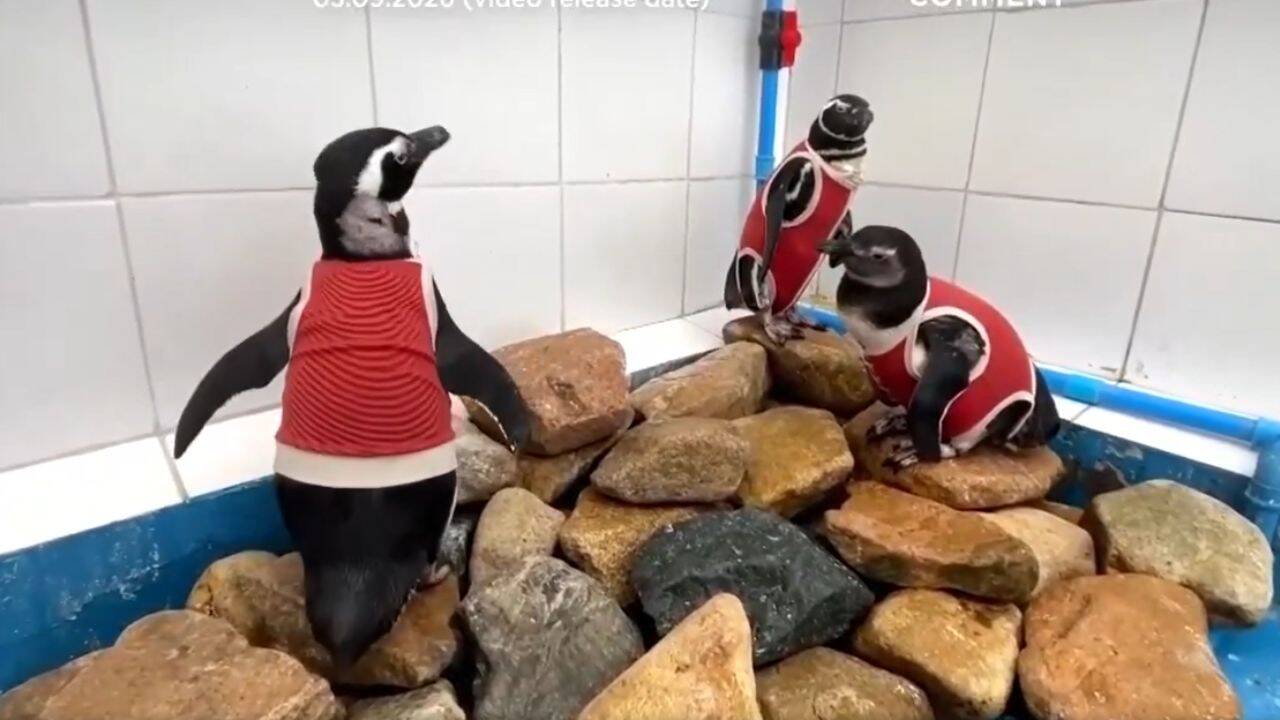
When you picture wildlife conservation, high-tech textiles rarely come to mind. You think of tracking collars, radio telemetry, or quiet observation blinds. But along the rocky coast of Chile, researchers are trying a radically different approach to save a struggling seabird population. They are putting custom red vests threaded with copper and zinc on wounded penguins.
It sounds unusual. Yet, there's a harsh biological and environmental crisis driving this unusual fashion statement.
The Quiet Collapse of the Humboldt Penguin
Chile's Humboldt penguins are in serious trouble. Recent surveys conducted across major breeding colonies by Chilean and international researchers painted a grim picture, revealing a staggering 63% drop in active nests compared to just three years prior. Scientists at the Universidad de Concepción estimate that the total population has plummeted to fewer than 20,000 individuals, a steep decline from roughly 45,000 back in the late 1990s.
Why are they vanishing? The threats are multi-layered. Entanglement in commercial fishing nets, plastic pollution, and direct competition with fisheries for dwindling food stocks have battered the species for decades.
Now, the climate is compounding the pressure. As El Niño intensifies, it pushes unusually warm water into parts of the Pacific Ocean. This thermal shift drives cold-water fish away, forcing adult penguins to swim much farther out to sea just to find a single meal. They abandon their nests for longer stretches, leaving chicks vulnerable and increasing the rate of physical injuries among stranded, stressed birds.
From House Pets to Seabirds
Wildlife clinics in northern Chile have been flooded with distressed penguins. Some arrive with deep lacerations from boat propellers or fishing gear. Others are emaciated and exhausted from the food shortage.
Treating these physical wounds brings a unique logistical nightmare. When a penguin is hurt, its natural instinct is to twist its long neck backward and violently peck at the stitches or gashes. They reopen their own wounds, introduce secondary infections, and undo weeks of veterinary care.
That is where the copper vests come in.
Veterinarians and wildlife experts took a cue from domestic animal medicine. For years, specialized micro-fiber vests containing copper and zinc have helped heal skin wounds in dogs and cats. Ignacio Idalsoaga, director of the Buin Zoo near Santiago, wondered if the same technology could protect aquatic birds.
A collaborative project between the Humboldt Conservation Centre, the Catholic University of the North, and a textile innovation firm named Kimba Vet adapted the concept for avian bodies. They designed snug, red protective suits tailored for penguins undergoing rehabilitation.
Why Copper Changes the Equation
The vests do more than just act as physical armor against a penguin's sharp beak. The choice of materials serves a direct medical purpose.
Copper and zinc woven directly into the fabric microfibers possess natural antimicrobial properties. They inhibit the growth of bacteria, fungi, and mites around the trauma site. On top of that, zinc helps stimulate the formation of new blood vessels, accelerating tissue regeneration.
Early tests at the Humboldt Conservation Centre in Coquimbo involving five recovering penguins—including Humboldt and Magellanic species mostly suffering from net entanglements—yielded positive signs. Tomas Pino, a veterinarian running Conservacion Humboldt, noted that the birds tolerate the snug garments remarkably well. Within twenty-four hours of wearing the vest, wounded tissue looked noticeably healthier, and the birds were physically blocked from tearing open their sutures.
What Happens Next for Chile's Coast
Fixing individual penguins with high-tech fabric won't solve the macro-level climate crisis or reverse overfishing overnight. It's a triage measure designed to maximize survival rates for animals already rescued from the brink.
As El Niño cycles continue to disrupt marine food webs, wildlife workers expect more injured and abandoned chicks to wash ashore in the coming weeks. Turning to Chile's most abundant natural metal—copper—offers a localized shield for animals caught in a rapidly warming ocean.
If you want to support these conservation efforts, look toward regional non-profits like Conservacion Humboldt or local wildlife parks funding these rehabilitation programs. Protecting vulnerable marine species requires practical adaptation, whether that means changing fishing policies or sewing antimicrobial copper armor onto a penguin.