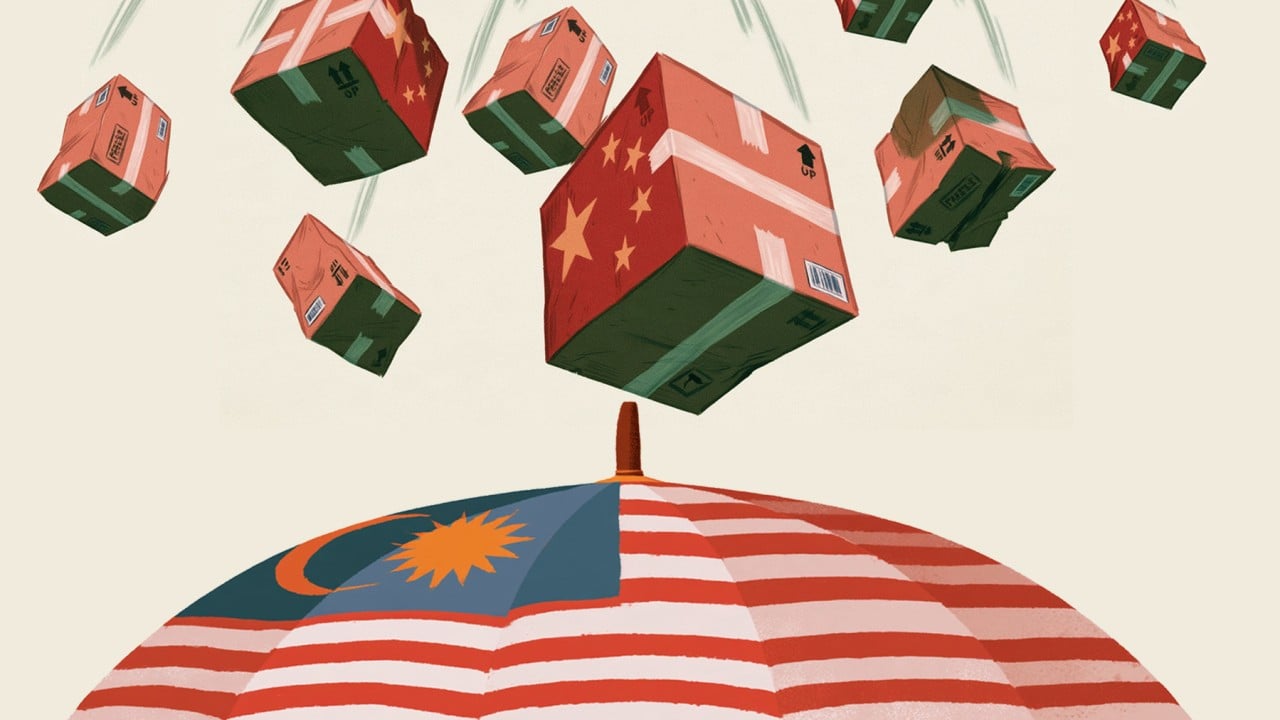
You can buy a phone charger online for less than the price of a cup of coffee. It ships directly from a warehouse in Guangzhou, lands on your doorstep in Kuala Lumpur three days later, and works just fine.
Malaysian shoppers are hooked. Direct-to-consumer platforms like Pinduoduo and other cross-border giants have transformed how everyday items are bought and sold. Bargain hunting has never been easier or cheaper. But peel back the shiny digital storefronts and the ultra-low prices, and you'll find a massive economic tension. Local Malaysian manufacturers, small-to-medium enterprises (SMEs), and domestic supply chains are footing the bill.
The friction is real. While consumers celebrate lower costs of living, local business owners watch their margins evaporate. How does a neighborhood hardware store or a local plastic manufacturer compete with an algorithm that ships goods across borders for pennies, bypassing traditional middlemen entirely?
The Mechanics of the Cross-Border Price War
Walk down any commercial hub in Petaling Jaya and talk to independent retailers. They'll tell you the same story. Rent is climbing. Minimum wage adjustments are putting pressure on operational overhead. Meanwhile, digital shoppers can pull out their smartphones and order factory-direct items straight from China without paying local distribution markups.
Platforms succeed because they eliminate inefficiencies. They aggregate millions of buyers, connect them directly with industrial producers, and rely on hyper-optimized logistics networks. Traditional retail relies on layers of importers, wholesalers, distributors, and physical storefronts. Each layer adds a markup. When a cross-border app cuts out every single one of those middlemen, local brick-and-mortar stores cannot compete on price alone.
Consumers aren't villains for wanting a good deal. Inflation has pinched household budgets across Southeast Asia. When a family can save thirty ringgit on household goods by tapping a screen, they take the deal.
Yet, the long-term cost is steep. Domestic factories face shrinking orders. Many micro, small, and medium enterprises (MSMEs) simply don't have the capital to pivot toward automated manufacturing or high-margin branding. When local factories close or scale back, jobs vanish, and economic resilience takes a hit.
The Regulatory Gap and the Upcoming E-Commerce Bill
Governments are noticing. Prime Minister Anwar Ibrahim's administration announced plans to table a new e-commerce bill in parliament to address regulatory blind spots. The goal isn't necessarily to block foreign trade, but to level the playing field.
For years, cross-border shipments have slipped through tax exemptions or oversight loopholes that domestic retailers must strictly follow. Local merchants pay local corporate taxes, adhere to rigorous product safety certifications, and comply with domestic labor laws. Direct-import items often bypass these stringent compliance hurdles, giving foreign sellers an unfair structural advantage.
Lawmakers are facing a balancing act. Clamp down too hard on digital imports, and consumer groups scream about rising costs of living. Do nothing, and the domestic manufacturing ecosystem slowly bleeds out.
Consumer groups like FOMCA have pointed out a vital truth: low prices shouldn't mean low safety standards. Imported goods sold online must meet the exact same quality and safety regulations as items produced domestically. If a cheap electrical appliance causes a household fire because it lacked local safety certification, the bargain wasn't a bargain at all.
The Waste Crisis Nobody Talks About
Cheap goods come with physical baggage. Landfills across urban centers are feeling the strain of ultra-fast consumerism. When items cost less than five ringgit, they are treated as disposable.
Broken toys, flimsy plastic organizers, and trendy gadgets that break after a single use go straight into the trash rather than getting repaired. Cross-border e-commerce has superintended a culture of hyper-disposability. Local municipal councils spend millions managing waste streams choked with low-grade packaging and discarded online purchases.
Retailers are also generating physical clutter in another way—unsold inventory. Traditional warehouses are sitting on dead stock because buyers have already shifted habits to on-demand digital imports.
Moving From Protectionism to Competitive Resilience
You can't legislate away a consumer preference for low prices. Protectionist walls rarely work in a globalized digital economy. History shows that whenever governments try to build artificial barriers around trade, clever markets find ways around them, or consumers simply suffer from restricted choice.
The path forward requires structural adaptation rather than blind defense. Malaysian businesses need to stop trying to win a race to the bottom on generic items. You can't beat a factory in Shenzhen on mass-produced phone cases.
Instead, local companies are finding success by focusing on what cross-border apps can't deliver:
- Speed of local service: Immediate repairs, local warranties, and instant customer support.
- Niche specialization: High-quality food products, perishables, and culturally tailored goods that require localized understanding.
- B2B digital integration: Using the same digital tools to source cheaper raw materials for local manufacturing rather than viewing e-commerce strictly as an enemy.
Policymakers must ensure that foreign platforms establish clear local accountability, open local offices, and contribute fairly to the tax base. If international giants want access to millions of Malaysian wallets, they should play by the exact same rules as the mom-and-pop shop down the street.
The digital trade revolution isn't slowing down. Malaysia's love affair with Chinese e-commerce highlights a permanent shift in how modern consumers shop. Surviving this transition means upgrading local industry capabilities, enforcing fair taxation, and demanding rigorous product safety standards across every digital storefront. Stop treating the platform economy as a temporary trend. Adapt your business model or get priced out.