Celebrity mugshots make great headlines. When Susan Sarandon and Hannah Einbinder got detained by the New York Police Department during a demonstration against Israeli Prime Minister Benjamin Netanyahu, media outlets scrambled to post the clips. Cameras flashed. Pundits debated optic strategy.
Everybody loves a famous face in plastic handcuffs. It makes global geopolitics feel like a red carpet crossover event. But focusing solely on the marquee names misses why these street-level demonstrations keep swelling across Manhattan. For a more detailed analysis into similar topics, we suggest: this related article.
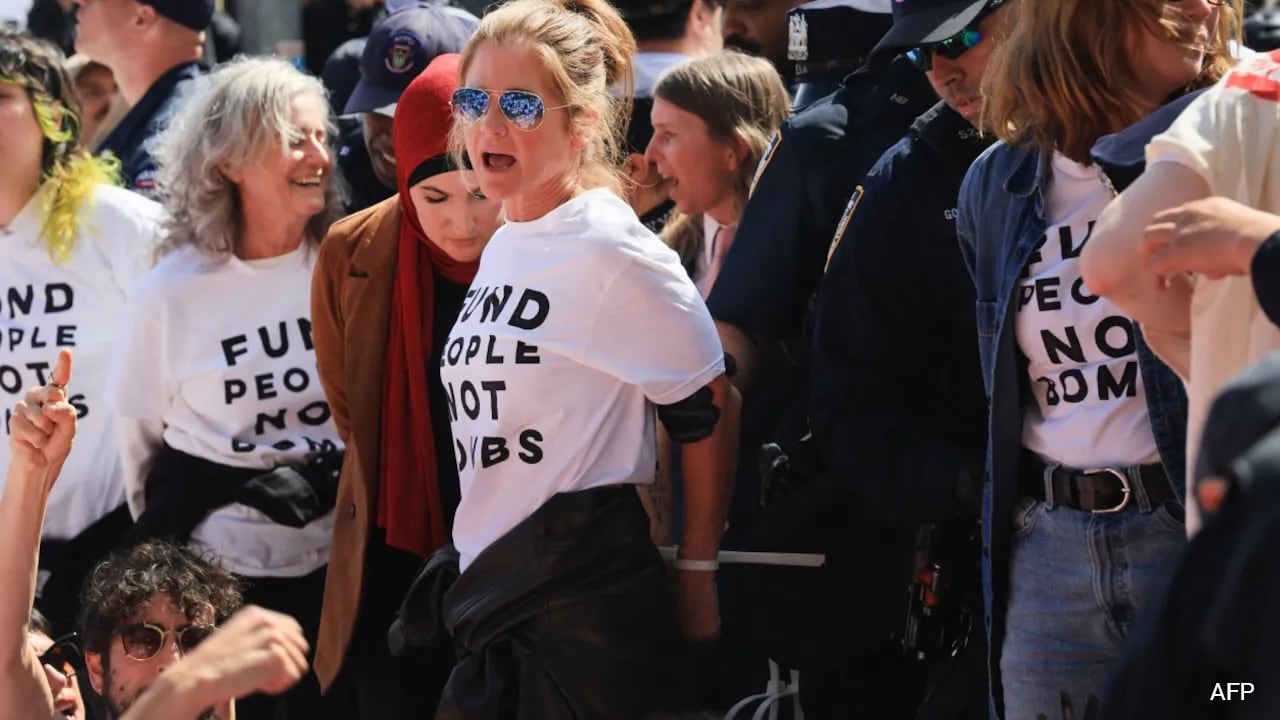
The protest was organized by Jewish Voice for Peace. Thousands flooded the asphalt while Netanyahu prepared to address the United Nations General Assembly. Banners screamed familiar demands about arms shipments and military policies. Inside the glass halls of the UN, diplomats walked out in droves as the Israeli leader took the podium. Outside, the NYPD moved in with plastic zip-ties, sweeping up activists and high-profile actors alike.
Sarandon isn't hiding her career fallout. Earlier this month at the Venice Film Festival, she admitted that her outspoken stance on Gaza is costing her paycheck after paycheck. Agencies are warning studios not to hire her. She is paying a steep financial price for her activism. When you watch her getting cuffed on New York streets, it isn't a publicity stunt. It is the logical endpoint of a multi-year collision between Hollywood labor and international politics. For further details on this issue, detailed reporting can be read at The New York Times.
The Cost of Speaking Out in Tinseltown
Entertainment industries have always managed dissent with quiet blacklists. If you step out of line, the phone stops ringing.
Sarandon noted that industry power structures haven't relaxed their positions one bit. Major talent agencies and studio heads hold fiercely contested views. If you challenge the status quo, your agents drop you and your casting calls dry up.
Yet actors keep showing up. Hannah Einbinder, star of the comedy series Hacks, was also marched away by police during the Midtown demonstrations. When younger comedic talent and veteran Oscar winners are willing to risk arrest, studio PR departments break out in a cold sweat. It disrupts the sanitized image of red-season award shows and studio press junkets.
What the Media Misses About Street-Level Activism
Mainstream coverage loves to frame these events as celebrity ego trips. That is lazy reporting.
The vast majority of people sitting on those New York streets weren't holding SAG-AFTRA cards. They were ordinary students, nurses, teachers, and local organizers. When the media puts Susan Sarandon's face at the top of every article, it flattens a massive grassroots movement into a pop culture feud.
Ask yourself why thousands of regular citizens are willing to block traffic, risk criminal records, and face police retaliation. They are responding to a humanitarian crisis that they feel their government is actively fueling. The celebrity arrests are just shiny objects tossed into the news cycle to catch clicks.
Where Public Opinion Actually Stands
The friction between elite institutional backing and public sentiment has never been wider.
While political leaders debate weapon supplies and diplomatic cover at the UN, public fatigue with ongoing conflicts is real. Studios want a safe, apolitical workforce that smiles for international distribution markets. Actors like Sarandon have decided they are past the point of corporate compliance.
If you want to understand why Hollywood stars are trading luxury trailers for police vans, stop looking at box office receipts. Look at the widening chasm between what corporate boardrooms mandate and what artists are willing to lose their livelihoods to say out loud.