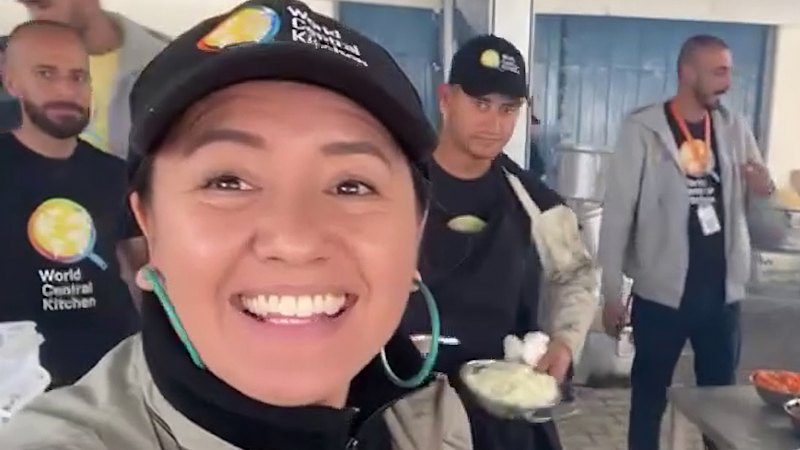
Two years after the airstrike that claimed the life of Australian aid worker Zomi Frankcom, the promise of "full accountability" feels increasingly like a ghost. In April 2024, an Israeli military drone strike obliterated a World Central Kitchen convoy, killing Frankcom and six of her colleagues. Today, we learned that this specific incident has been excluded from the scope of current criminal probes into civilian deaths in Gaza.
It’s a brutal reality check. For the family of the slain humanitarian, for the Australian government, and for the international community, the lack of a formal criminal investigation into the deaths of these seven workers is more than a procedural oversight. It’s an open wound.
The Reality of Accountability
We’ve heard the terminology before. "Mistaken identification," "grave mistake," and "procedural failure." Those were the descriptors used by the Israel Defence Forces (IDF) in the immediate aftermath of the tragedy. They dismissed two officers and reprimanded others. To the military brass, the case was effectively closed by these internal disciplinary measures.
But that’s where the friction lies. Administrative punishment is not the same as criminal justice. When you look at the facts—three separate missiles fired at clearly marked vehicles, in a zone where the route had been pre-coordinated with the very military that launched the strike—you’re left asking why this doesn’t meet the threshold for a criminal inquiry.
The answer, if you listen to the current state of affairs, is that the IDF leadership has opted to categorize these events as tragic errors of war rather than criminal acts. By keeping this outside the scope of criminal investigations, they’ve drawn a line that many human rights advocates and the families of the victims find impossible to accept.
Why Words Don’t Translate to Justice
The Australian government has been consistent in its rhetoric. They’ve pressed for transparency. They’ve commissioned reports, such as the one led by former defence chief Mark Binskin. These reports highlight serious flaws in communication, the breakdown of coordination between humanitarian groups and the IDF, and the inherent dangers faced by aid workers on the ground.
Yet, reports aren't trials. They aren't indictments.
The gap between the Australian expectation of "full accountability" and the reality of the Israeli response is widening. For families, the difference is simple:
- An internal report admits a "grave mistake" occurred.
- A criminal investigation seeks to determine if those mistakes were actually war crimes.
By refusing the latter, the process remains entirely within the discretion of the military that fired the missiles. It’s a self-policing model that, frankly, hasn't served the goal of impartial justice.
The Broader Impact on Humanitarian Aid
If you talk to anyone working in high-risk zones, they’ll tell you the same thing. The safety of aid workers is built on the premise that they are neutral and protected. When that protection is shattered, and the response is a shrug rather than a courtroom proceeding, it changes the way aid is delivered.
Organizations are forced to weigh the risk of being targeted against the desperation of the civilians they serve. When impunity becomes the default, the risk becomes a permanent fixture of the job. Zomi Frankcom was a person who chose to run toward catastrophe to help others. The fact that the search for justice for her death is hitting a wall speaks volumes about the current state of international protection for those in the field.
What Happens Now
The reality is that without a shift in diplomatic pressure or a move by international bodies like the International Criminal Court, the status quo will hold. We are left with a situation where:
- Diplomatic channels continue to churn out statements of "concern."
- The military continues to treat the loss of life as a collateral error.
- The families continue to wait for a day when their loved ones' lives are recognized as something worth a formal trial.
If you are looking for progress, it’s not coming from the military investigation itself. It rests on whether the Australian government will take the next step and push for third-party intervention or if it will choose to maintain the current, ineffective diplomatic path.
True accountability is rarely handed down by those who committed the error. Until there is an independent, transparent, and criminal investigation, the death of Zomi Frankcom will remain a symbol of the broken promises of international protection in conflict zones. We can call it a tragic incident, but without justice, it’s just another case of a life taken without consequence.
Israel's Ambassador to Australia questioned on Zomi Frankcom's death
This video captures the public pressure faced by officials regarding the lack of transparency in the investigation into Zomi Frankcom's death.