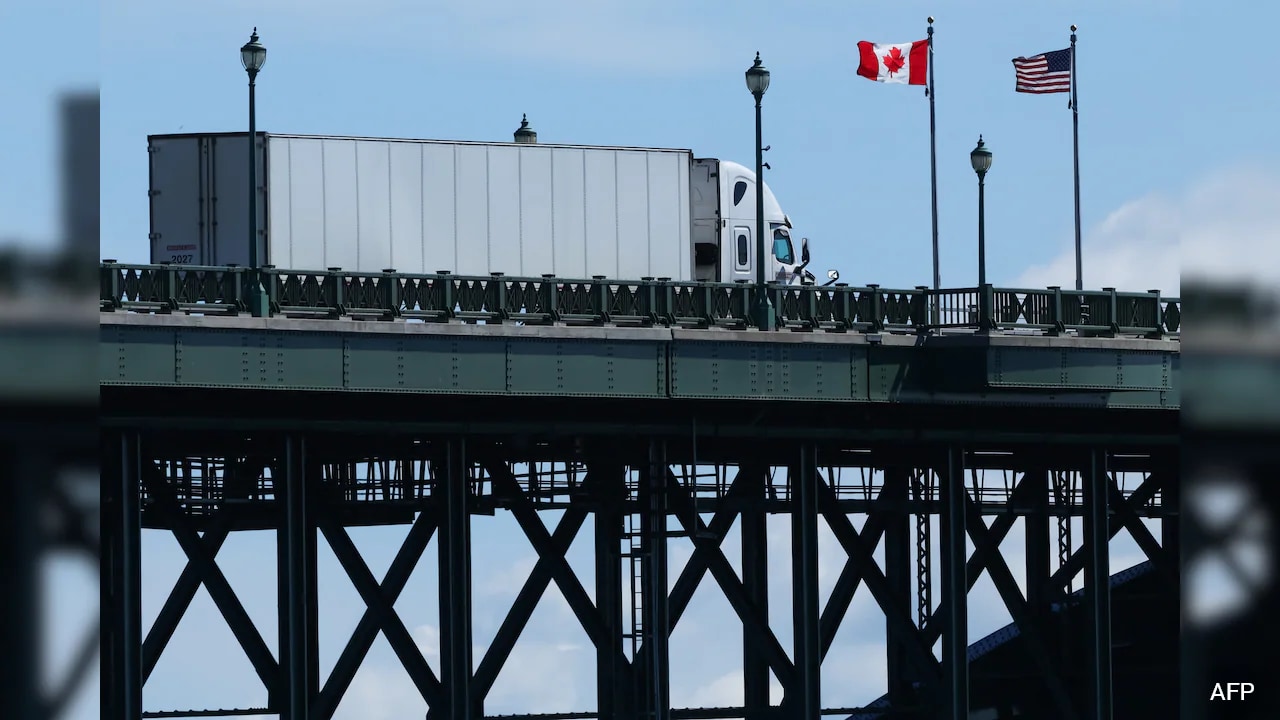
Trade negotiations between Washington and Ottawa didn't just stall. They went completely off the rails over a handful of high-stakes vehicles. When you look at how close both sides came to signing a framework that would have dropped standard auto tariffs down to 15 percent, the sudden collapse catches your attention.
Behind closed doors, the entire architecture of the deal fractured over last-minute disagreements on truck tariff relief. Prime Minister Mark Carney pulled the plug on the agreement after American negotiators pushed sudden exclusions on specific heavy vehicles and pickup trucks, throwing major assembly footprints like Ford in Oakville and General Motors in Oshawa directly into uncertainty.
What Actually Happened at the Negotiating Table
For weeks, officials worked around the clock to prevent an economic collision. The framework looked promising on paper. The United States signaled a willingness to roll back punitive auto duties from 25 percent down to 15 percent, while Canada considered concessions on agricultural protections and regional commerce.
Then the specifics of truck manufacturing entered the room.
American trade representatives introduced carve-outs that exempted certain vehicles from relief while leaving others exposed, offering zero economic rationale for the split. Canadian officials realized accepting those terms would slowly choke the profitability of domestic truck lines. When you mess with the cross-border supply chain for heavy utility vehicles, you threaten hundreds of thousands of manufacturing jobs that rely on frictionless movement across the Detroit-Windsor corridor.
The Breakdown Over National Sovereignty
Vehicles weren't the only stumbling block. As the midnight deadline loomed, the Trump administration attempted to slip language into the text that would restrict Canada's freedom to pursue independent trade agreements with other global partners.
Carney drew a hard line. Ottawa viewed that clause as an attempt to reduce Canadian sovereignty to that of an economic satellite. Walking away from the table became the only politically viable option once the terms shifted from a mutual partnership to an ultimatum.
The United States followed through by slamming 50 percent tariffs onto roughly $20 billion worth of Canadian imports. Canada responded by vowing dollar-for-dollar retaliatory measures targeting American goods.
Where the Economy Goes From Here
Supply chains don't adjust overnight. Businesses that spent decades optimizing production between Ontario, Michigan, and Ohio now face a punishing penalty structure.
Expect consumer prices to jump on everything from construction materials to regional beverages as the retaliatory levies roll out. Both governments have dug in their heels, and neither side shows an immediate appetite to restart talks until political costs shift.
Protect your operations by auditing your inventory exposure immediately. Diversify suppliers outside North American land corridors where feasible, and brace for persistent volatility across industrial sectors.